Play After the Inferno
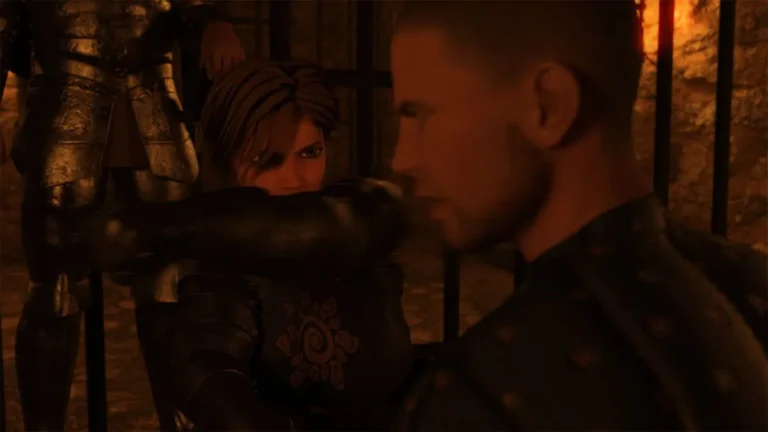
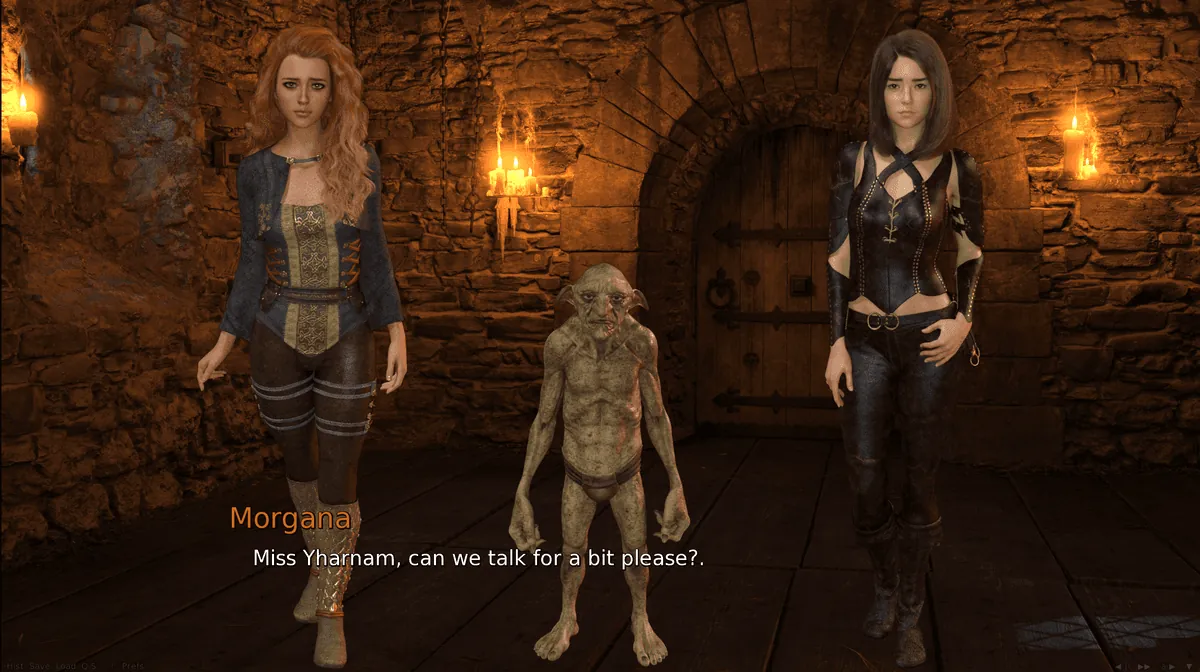
After the Inferno Screenshots

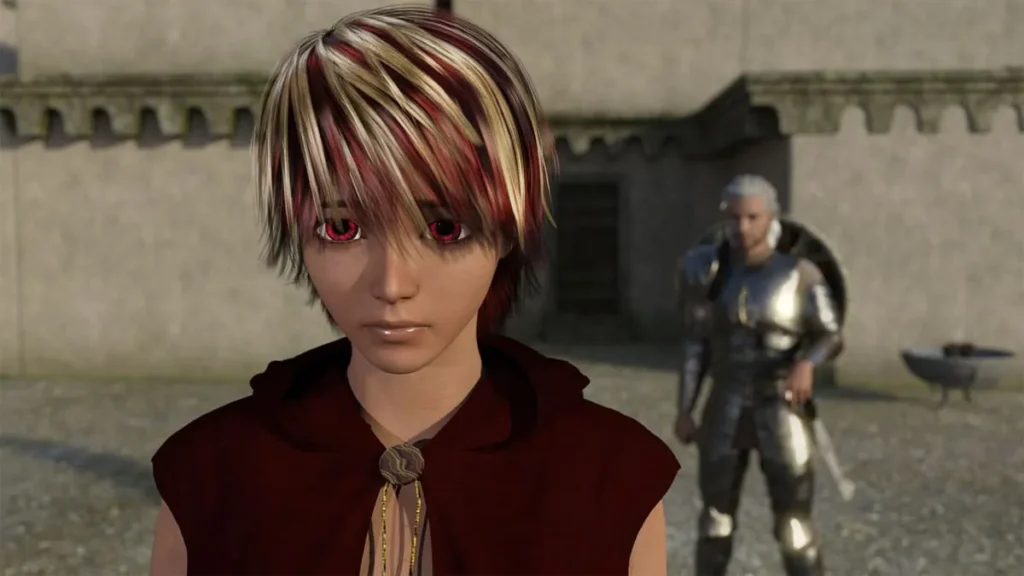
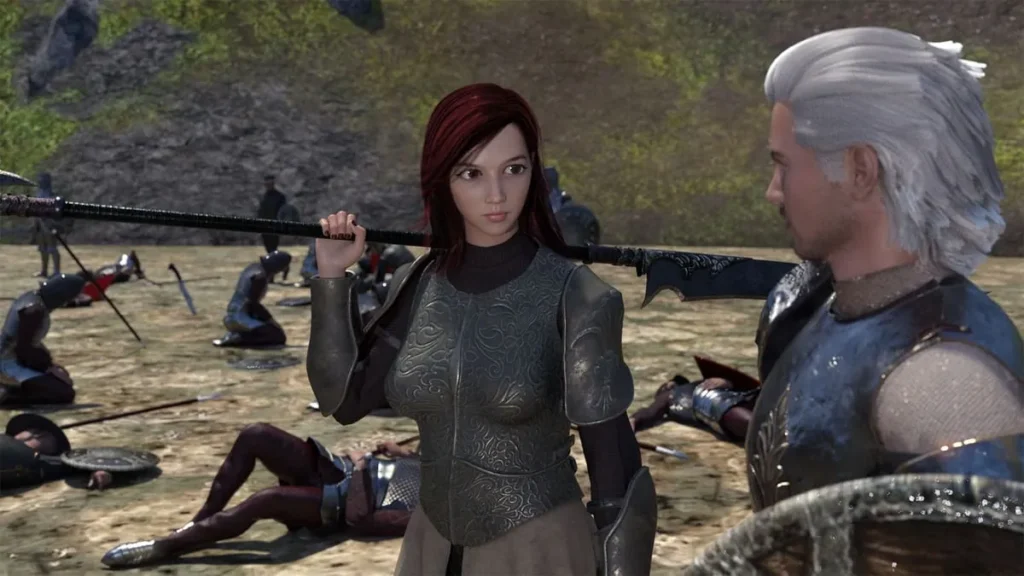
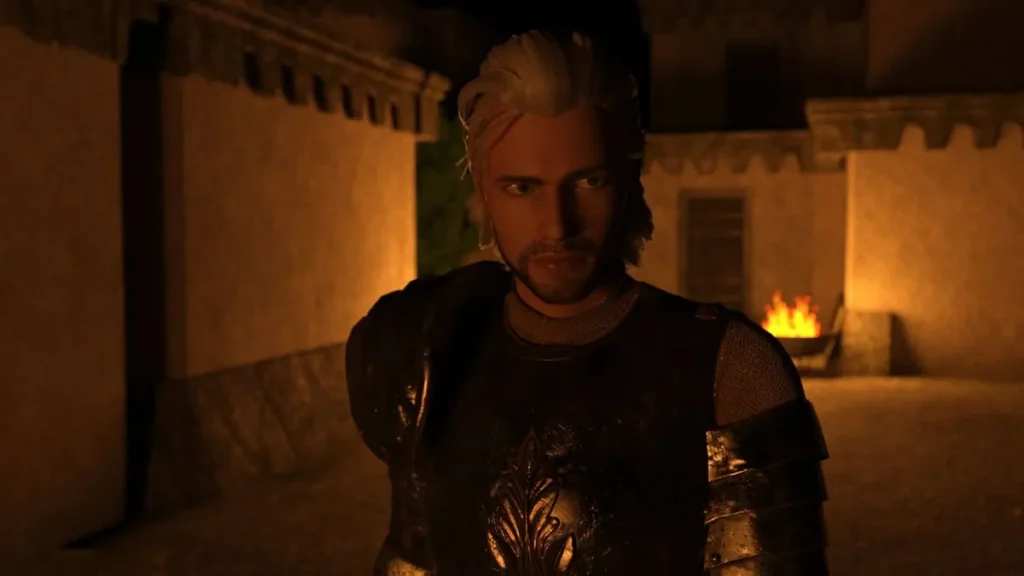
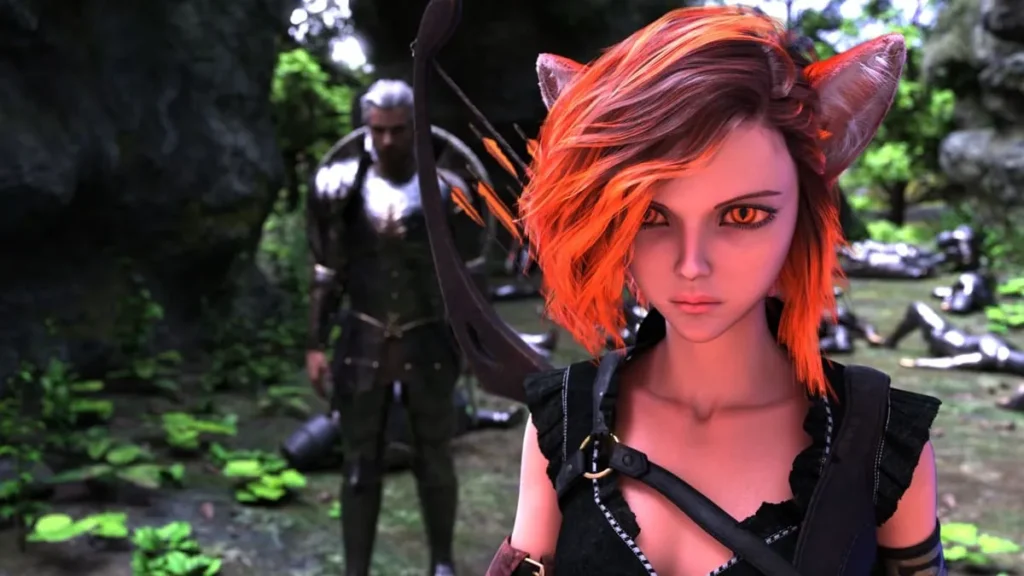
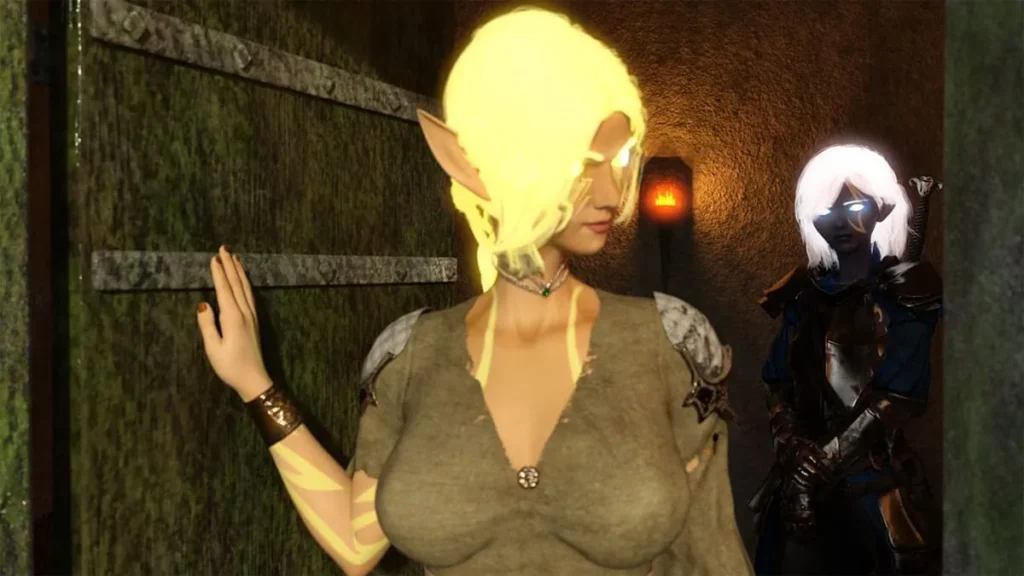
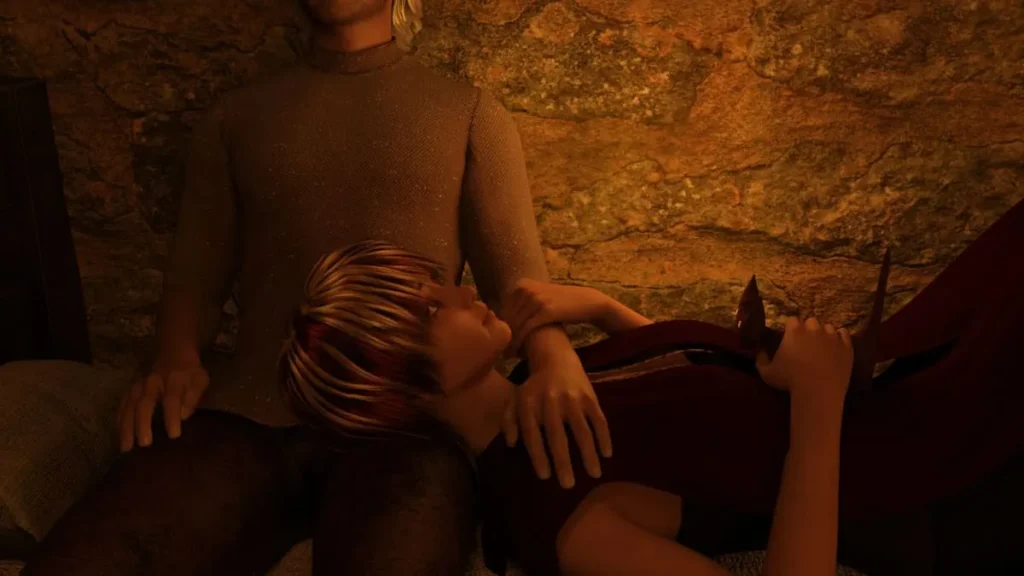

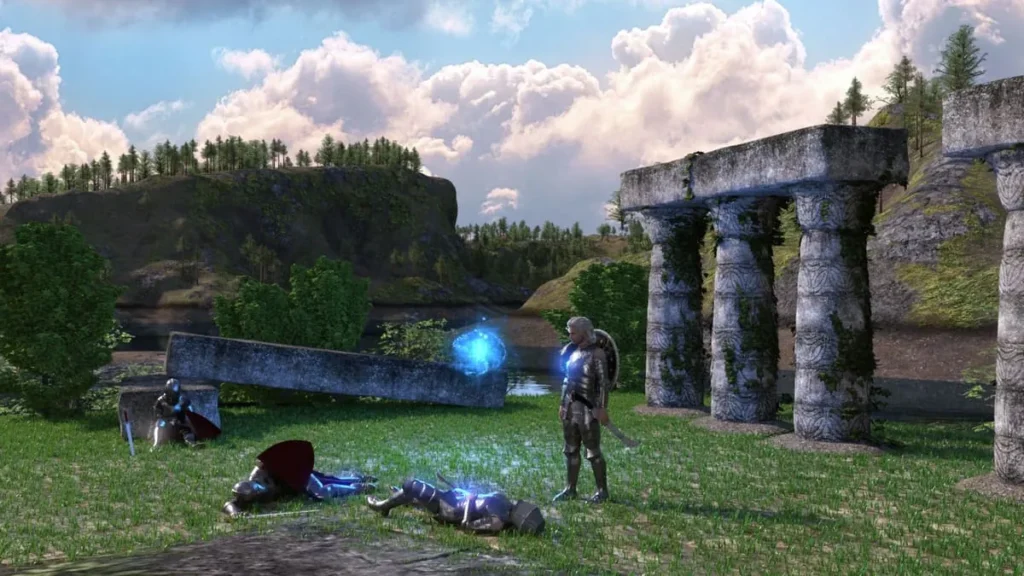
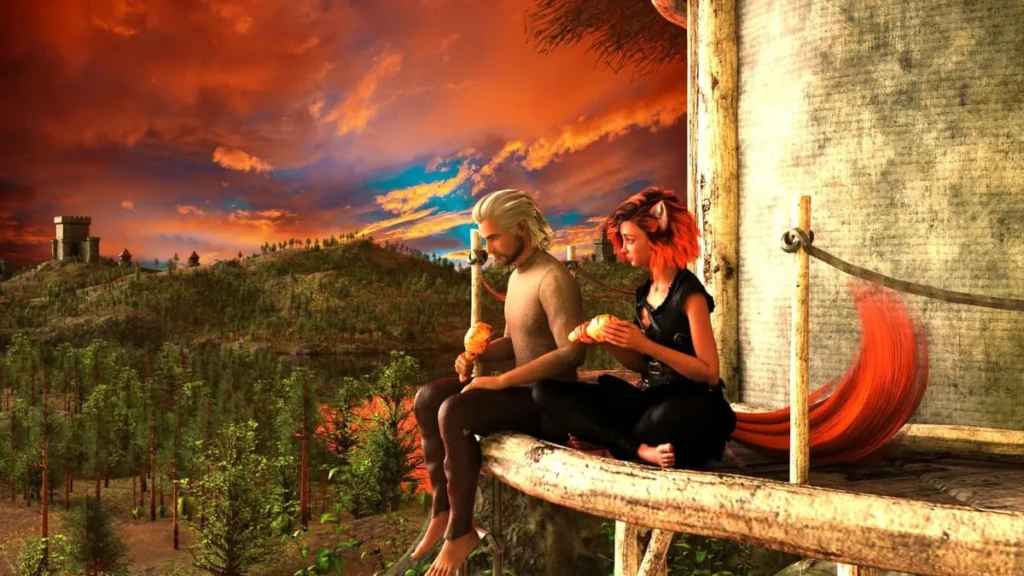
After the Inferno review
Explore the Story, Gameplay, and Unique Features of After the Inferno
After the Inferno is a captivating visual novel that blends medieval themes with rich storytelling and character-driven gameplay. Centered around a royal knight navigating war, love, and complex relationships, this game offers players a unique experience combining narrative depth and interactive choices. If you’re curious about what makes After the Inferno stand out in the adult visual novel genre, this article will guide you through its plot, gameplay, and key features, providing practical insights and personal impressions.
Understanding the Story and Setting of After the Inferno
If you’re anything like me, you’ve booted up your fair share of medieval visual novel titles hoping for a tale of chivalry and epic battles, only to find the story takes a backseat to… other pursuits. 😅 I was ready to write off the entire genre until a friend practically forced me to try After the Inferno. Let me tell you, I was not prepared. This isn’t just another knight-meets-damsel story; it’s a profound exploration of duty, trauma, and the fragile connections we forge in the darkest of times. The After the Inferno story immediately grabbed me because it dares to ask: what happens to the hero after the war is won?
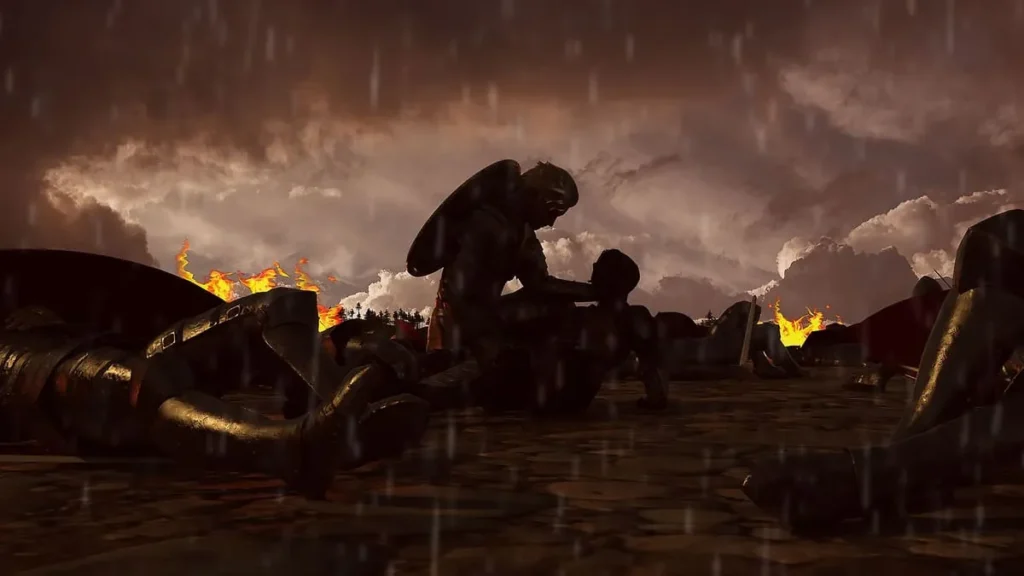
This war and romance game is set in the smoldering aftermath of a great conflict. The kingdom is saved, but it’s a broken, weary place. You don’t play as a fresh recruit heading off to glory, but as a scarred veteran navigating a fragile peace. This unique “aftermath” setting is the stage for one of the most compelling narratives I’ve experienced, where every conversation feels weighted with history and every smile is hard-won. It’s a masterclass in showing that sometimes, the most intense battles are fought not on the field, but within the soul.
Who is Devran? The Main Character’s Journey
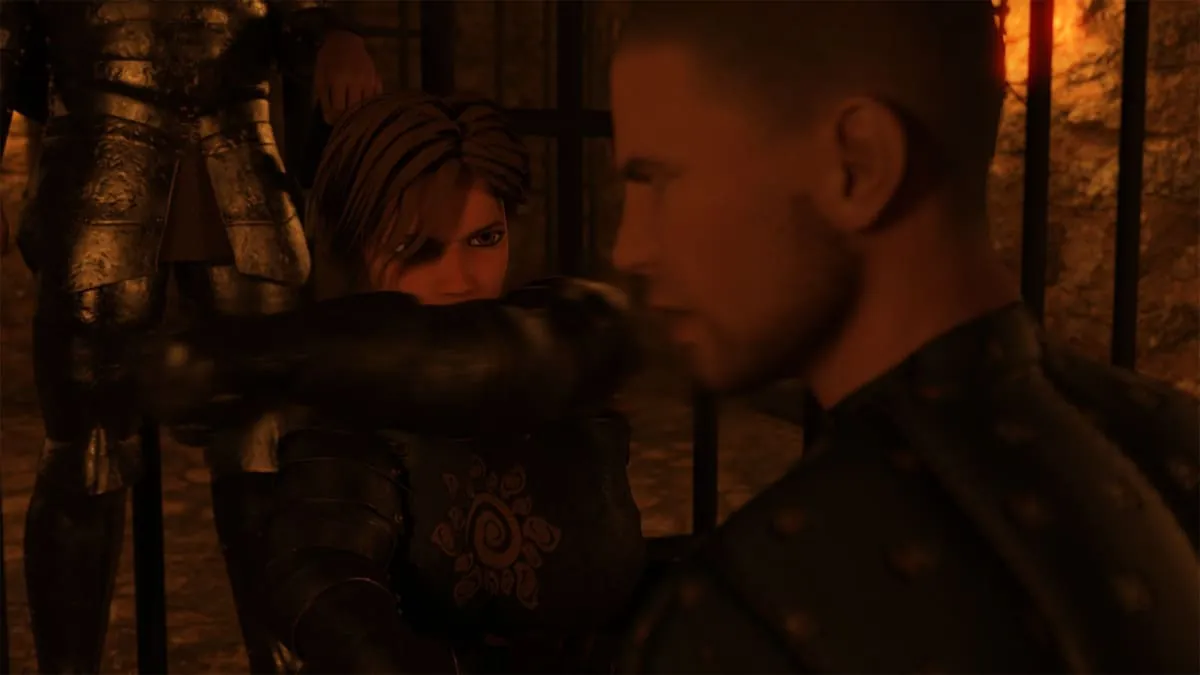
At the heart of this experience is the Devran character. He’s not your blank-slate protagonist. Devran is the Royal Shield, a knight whose name is synonymous with victory and leadership. When we meet him, he’s returning home a legend—but he carries the invisible wounds to prove it. 🛡️ Playing as Devran feels less like controlling an avatar and more like guiding a deeply respected, yet deeply weary, man through a world that expects him to just move on.
His journey isn’t about finding new monsters to slay. It’s about learning to live again. Can the man who united armies on the battlefield find a way to mend his own spirit? Can a leader sworn to protect a kingdom remember how to open up to just one person? This is the core of his arc, and your After the Inferno narrative choices directly shape whether he finds a path toward healing or remains trapped in the ghost of the war.
To understand the web of relationships Devran navigates, let’s look at the key players who define his world:
| Character | Role | Relationship to Devran |
|---|---|---|
| Devran | The Royal Shield, Veteran Commander | The protagonist; a celebrated but traumatized knight seeking peace. |
| Officer Emmy | Elite Officer of the Valkyries | A formidable ally and potential romantic interest; represents a new, challenging perspective on strength and duty. |
| The King | Ruler of the Kingdom | Devran’s sovereign and friend; his requests keep Devran tied to the public life of a hero. |
| Kaelen | Fellow Veteran Knight | Devran’s old comrade-in-arms; a connection to the shared past of the war. |
Medieval War and Romance: The Core Themes
The genius of After the Inferno lies in how it braids its two core themes together. The medieval setting isn’t just about castles and swords for aesthetic points. It’s a world rigidly defined by duty, honor, and social roles—a perfect pressure cooker for emotional drama. The “war” is ever-present, not in active battles, but in the PTSD flashbacks, the empty seats at the tavern, and the political tensions simmering beneath the surface of peace. ⚔️
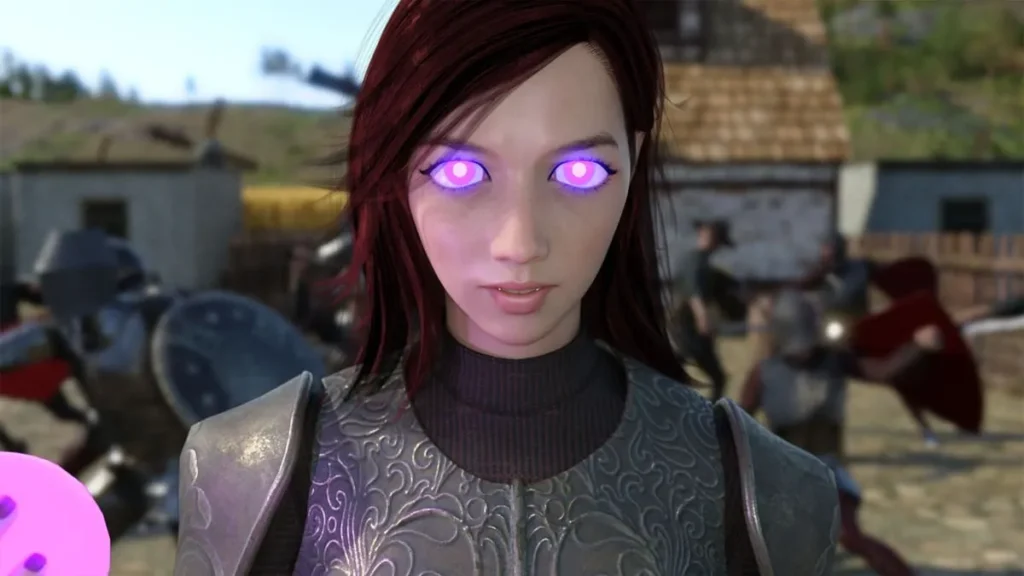
Into this world of stoic, battle-hardened men come the female warriors of After the Inferno, most notably the elite unit known as the Valkyries. Their arrival is a narrative earthquake. They aren’t just love interests; they are a mirror held up to Devran’s own world. They represent a different kind of strength, discipline, and perspective on the same war he fought. Their presence creates fascinating tension, challenging the established order and forcing characters (and you, the player) to re-examine long-held beliefs.
This makes the romance feel earned and incredibly powerful. A connection here isn’t about fleeting attraction; it’s about two scarred people recognizing a kindred spirit across a divide of experience and expectation. The game brilliantly uses its medieval knight visual novel framework to explore how love can be an act of courage as daring as any charge into battle, requiring vulnerability that feels more terrifying than any foe.
How Relationships Shape the Narrative
“In my first playthrough, I tried to be the ‘perfect’ knight—always dutiful, always stoic. I ended up pushing everyone away. It was a lonely, poignant ending that taught me more about the character than any ‘perfect’ win ever could.”
This is where After the Inferno truly shines. Every significant relationship, especially with Officer Emmy and the other female warriors in After the Inferno, is a branching path defined by your choices. Will you, as Devran, dismiss their methods as unorthodox, or seek to understand them? 🤝 Will you share your own burdens, or keep up the strong, silent facade the world expects?
The After the Inferno narrative choices are rarely about “good vs. evil.” They’re about emotional honesty versus protective detachment, duty to the crown versus duty to one’s self, and confronting the past versus hiding from it. A conversation about battle tactics can subtly influence a romantic relationship hours later. Choosing to open up about a nightmare can unlock a deeper level of intimacy that changes the entire tone of the story.
This creates a fantastically replayable experience. The war and romance game elements are so deeply intertwined that pursuing a different relationship path doesn’t just change a few scenes; it can alter your understanding of the war’s history and Devran’s own psyche. You’re not just picking a partner; you’re choosing what kind of man Devran will become in his peace: one who remains a soldier, or one who learns to be a person again.
In the end, the After the Inferno story stayed with me long after I finished it. It proves that a medieval visual novel can have the depth and emotional weight of the best literature, using its interactive nature to make you an active participant in the healing process. It’s a powerful reminder that sometimes, the most rewarding victory isn’t saving the kingdom, but saving yourself. ✨
After the Inferno offers a compelling blend of medieval storytelling, character-driven relationships, and immersive gameplay that sets it apart in the visual novel genre. Its focus on narrative depth over explicit content provides a richer experience for players who appreciate meaningful choices and emotional engagement. Whether you’re drawn to its realistic setting, engaging plot, or interactive mechanics, After the Inferno is a noteworthy title worth exploring. Dive into the game to experience its unique take on love and war in a medieval world.