Area69
Play Area69
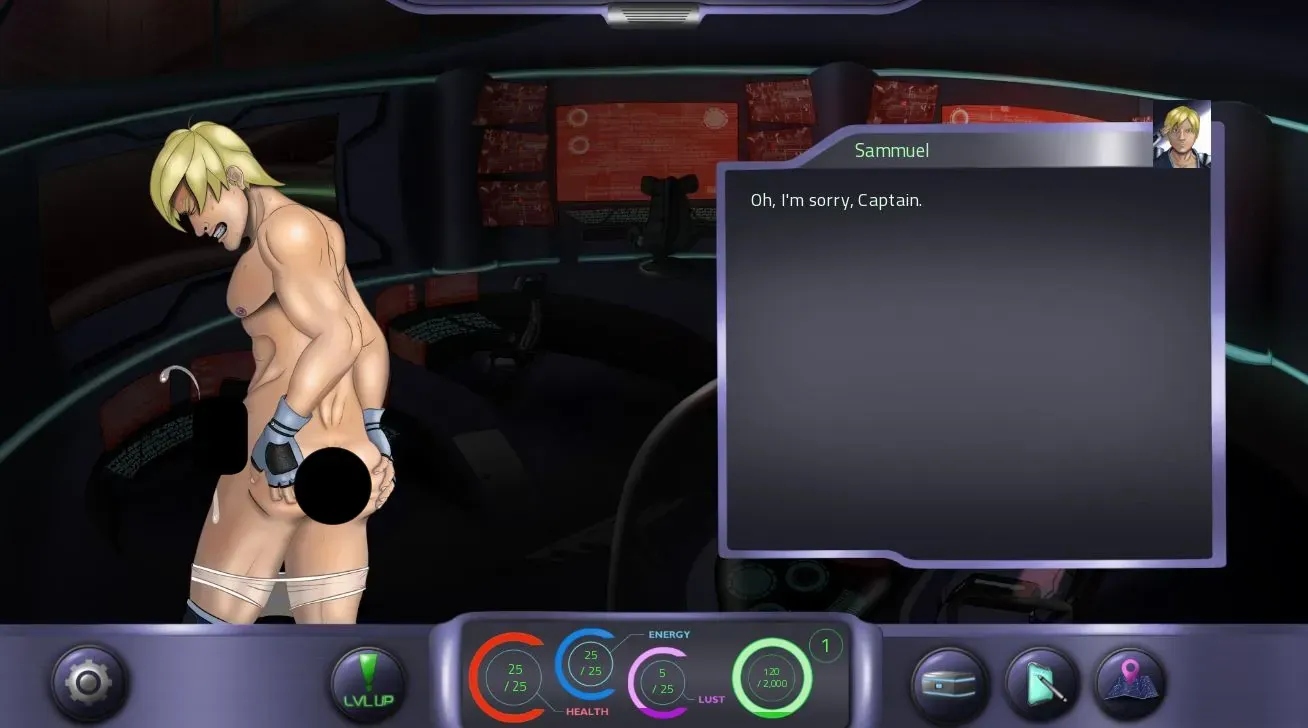
Area69 Screenshots








Area69 review
An in-depth guide to Area69 — mechanics, progression, and player strategies
Area69 is a narrative-driven simulation that blends exploration, environmental puzzles, and player-driven discovery to create a unique interactive experience. In this guide I cover the core mechanics, progression systems, practical tips I learned from playing, and community insights to help you get the most out of Area69. Whether you’re new and curious or looking to improve your playthrough, this article breaks down what makes the title distinctive and how to approach its challenges effectively.
What is Area69 and why it stands out
So, you’ve heard the whispers and seen the screenshots. A game called Area69 is generating buzz, promising a blend of creeping dread and cerebral satisfaction. But what is it, exactly? 🕵️♂️ In this Area69 overview, we’re stripping back the layers of this compelling independent title to show you why it’s more than just another spooky walking simulator. It’s a masterclass in atmosphere and player-driven discovery that will stick with you long after the credits roll.
This deep dive will cover the foundational pillars: the Area69 story that hooks you, the oppressive Area69 setting that immerses you, and the brilliant Area69 narrative techniques that make you an active participant in the mystery. Most importantly, we’ll break down the satisfying gameplay loop Area69 is built on and arm you with essential Area69 exploration tips to survive your first tour of duty. Let’s get started.
The Setting and Narrative Hook
Forget alien invasions or zombie outbreaks—at least, at first glance. 🚁 The Area69 setting is a triumph of eerie, grounded realism. You are not a soldier or a scientist; you’re an everyperson, a curious soul who has stumbled upon the outer fence of a long-abandoned, ultra-secure government complex buried in the desert. The game wastes no time on lengthy cutscenes. Instead, the story is the place. From the moment you see the sun-bleached warning signs and the skeletal remains of guard towers against a vast, empty sky, the Area69 narrative begins.
What happened here? That’s the central, driving question. The genius of the Area69 story is that it’s not told to you; it’s something you must uncover. The developers use environmental storytelling with surgical precision. You won’t find pages of exposition. You’ll find:
* Scattered Personal Logs: Audio diaries from maintenance staff, security officers, and researchers, often cut short mid-sentence. 😨
* Structured Data Fragments: Glitchy text on abandoned computer consoles hinting at project codenames and containment breaches.
* Environmental Clues: A chair knocked over in a hurry, a trail of disturbed dust leading to a vent, a series of locked doors that were clearly sealed from the outside.
This approach creates a profound sense of immersion. You’re not following a plot—you’re piecing together a tragedy. The mystery feels personal because you are the archaeologist. Every new piece of evidence, from a faded ID badge to a cryptic symbols chart on a whiteboard, is a reward you’ve earned through observation. This method of telling the Area69 story ensures you are constantly engaged, actively forming and testing theories about the complex’s final days as you explore.
Core Gameplay Loop Explained
If the setting is the stage and the narrative is the script, then the gameplay loop Area69 employs is the director’s master plan. It’s a beautifully structured cycle of tension, discovery, and brief respite that keeps you moving forward, one cautious step at a time. 🔄
The loop can be broken down into four key phases:
-
Explore & Observe: You enter a new zone—perhaps a dimly lit laboratory or a cavernous storage bay. Your first task is to scan the environment. Where are the doors? Are any powered? What objects look interactive? This is a slow, tense period of information gathering.
-
Gather & Decipher: You interact with the world. You pry open a locker to find a keycard. You play a corrupted audio log. You study a map on the wall to understand the facility’s layout. Each clue either advances your understanding of the Area69 story or provides a tangible tool for progression.
-
Solve & Unlock: This is the puzzle box heart of the game. 🧩 Using the clues and items you’ve found, you must figure out how to proceed. This might mean:
- Restoring partial power to a terminal to download a door code.
- Using a found ID badge to access a previously sealed sector.
- Manipulating a series of physical levers and valves in the correct order to bypass a flooded corridor.
- Interpreting symbols from a researcher’s notes to disable a security field.
-
Progress & Encounter: Solving the puzzle grants access to a new, often deeper or more restricted area. This progression is frequently accompanied by an “encounter”—not necessarily a combat sequence, but a moment of heightened tension. It could be a temporary systems failure plunging you into darkness, an unsettling audio cue from a distant corridor, or the environment subtly shifting. These encounters remind you that you are not alone and fuel the desire to push deeper to find answers.
This loop repeats, with each cycle pulling you further into the complex and deeper into the mystery. The pacing is exceptional, expertly balancing stretches of quiet, contemplative exploration with sudden spikes of adrenaline. You’re given just enough quiet to think you’re safe, making the next moment of tension hit all the harder.
| Gameplay Phase | Player Focus | Example Actions & Objects |
|---|---|---|
| Explore & Observe | Environmental scanning, risk assessment | Checking door status lights, listening for ambient sounds, noting potential hiding spots. |
| Gather & Decipher | Information collection and analysis | Playing audio logs, reading terminal entries, picking up key items (keycards, fuses, notes). |
| Solve & Unlock | Logical reasoning and application | Inputting codes on keypads, rerouting power via breaker boxes, aligning symbols on a control panel. |
| Progress & Encounter | Movement and reaction to new threats/story beats | Moving into a newly unlocked area, reacting to dynamic lighting/sound changes, experiencing narrative revelations. |
What Makes Area69 Unique Compared to Other Independent Titles
In a landscape filled with incredible independent games, Area69 carves out its own distinct niche. It’s not trying to be the biggest or the loudest game on the block. Instead, it focuses on doing a few things with remarkable depth and polish. Here’s what sets it apart:
-
A Commitment to Player Intelligence: This is the big one. 👏 Area69 has absolutely zero hand-holding. There are no glowing objective markers, no companion character barking hints, and no quest journal that spells things out. The game respects you. It assumes you are observant, curious, and capable of making connections. The satisfaction of solving a multi-step environmental puzzle purely through your own deduction is unparalleled. You feel like a genius because the game treated you like one from the start.
-
Atmosphere as the Primary Antagonist: The true enemy in Area69 is rarely a monster you can see. It’s the crushing silence of an empty cafeteria, the flicker of a faulty light at the end of a hall, and the growing dread of what might be in the next room. The sound design is a character in itself, making your own footsteps sound terrifyingly loud. This focus on psychological tension over jump scares creates a much more sustained and memorable sense of fear.
-
A Seamless, Unbroken World: The entire complex is one interconnected space. There are no loading screens between zones (outside of major transitions). This reinforces the reality of the setting and makes your exploration feel continuous and tangible. Backtracking with a new key item doesn’t feel like a chore; it feels like you’re unlocking another layer of a place you’re coming to know intimately.
Pro-Tip: Listen. Seriously, put on good headphones. 90% of the early warning signs for environmental shifts or distant activities are auditory. The hum of machinery changing pitch, the scrape of metal from a floor above—these are your cues. This is perhaps the most crucial Area69 exploration tip we can give.
Let me share a moment that perfectly encapsulates this philosophy. I was stuck in a large utilities chamber. The only visible exit was behind a massive hydraulic door, and the control panel was dead. I had combed the room three times. Frustrated, I leaned in close to the screen, examining every pipe and grille. That’s when I saw it: a slightly discolored, loose panel on the wall, almost invisible in the low light. There was no “Press X to Investigate” prompt. I just walked up and, on a whim, pressed the interact button. My character pried it open, revealing a cramped, damp maintenance tunnel. The sound of dripping water echoed as I crouched through, emerging into a small, forgotten office with a manual override switch for the door. The game didn’t tell me that panel was there. It trusted me to be thorough, and the reward—that feeling of secret, earned knowledge—was worth more than any flashing arrow.
So, who is Area69 for? If you love games that value atmosphere over action, mystery over mayhem, and your own intellect over a guided tour, this is your next obsession. It’s for players of titles that prioritize environmental storytelling and thoughtful pacing. Expect a deeply absorbing experience that will take most players 8-12 hours to complete thoroughly, though completionists hunting every last secret and document will find even more to uncover.
In summary, this Area69 overview reveals a game that stands out not for its budget or scale, but for its confident, uncompromising vision. It understands that true fear and true satisfaction come from the unknown and the effort to understand it. By masterfully weaving its Area69 setting, Area69 narrative, and satisfying gameplay loop into a cohesive whole, it delivers an experience that is as unique as it is unforgettable. Ready to step inside? The complex awaits. 🔒
Area69 rewards patient exploration, careful observation, and a willingness to experiment. This guide outlined the game’s setting and narrative approach, explained core mechanics and controls, suggested progression priorities and troubleshooting tactics, and pointed to community resources that extend the experience. If you’re starting out, focus on methodical exploration, prioritize restoring utility systems, and make notes as you go; if you’re returning, try alternate strategies or challenge runs to rediscover the game. If you found these tips useful, try one of the suggested strategies in your next session and share your experience with the community.