Play Bad Memories
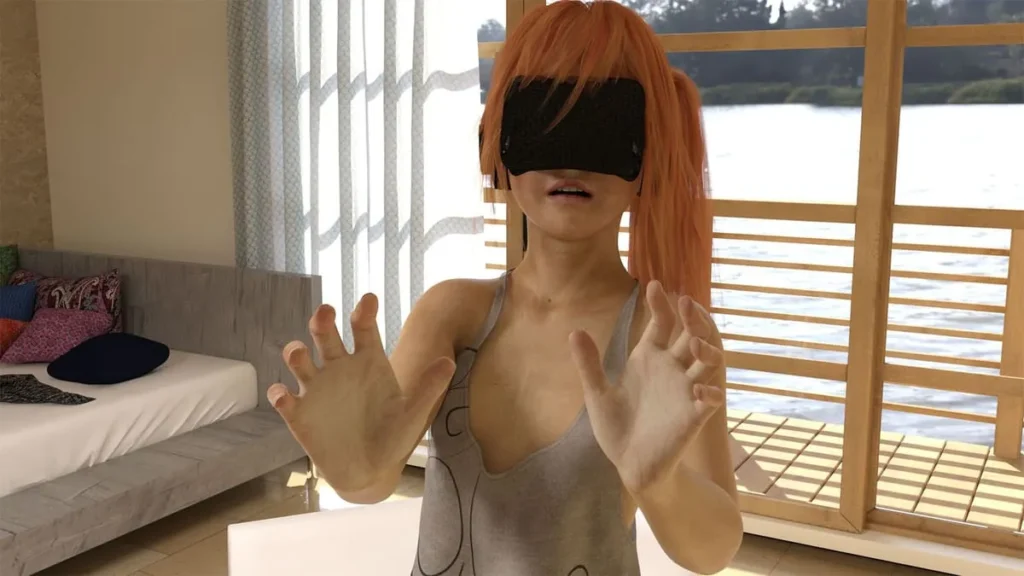
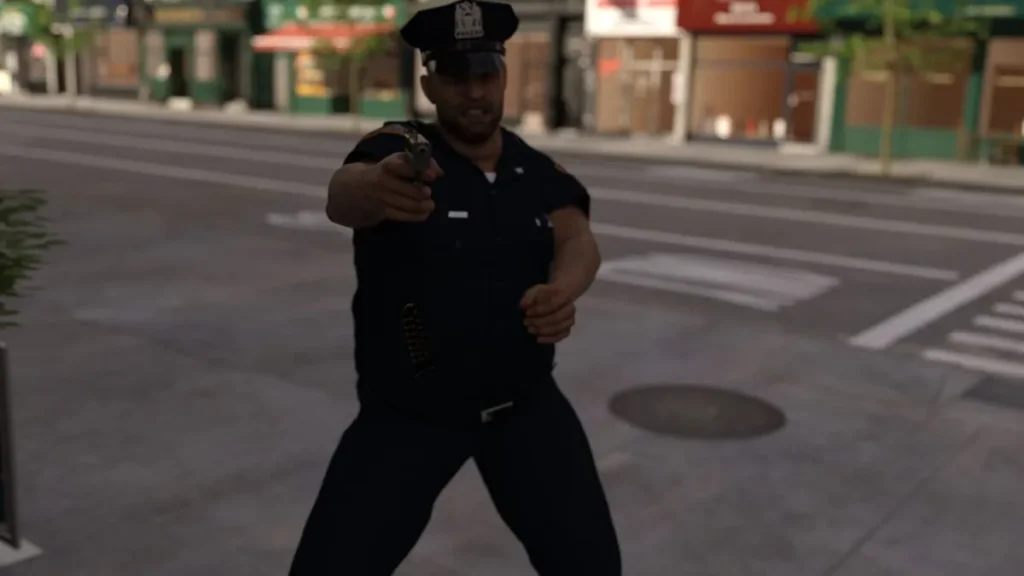
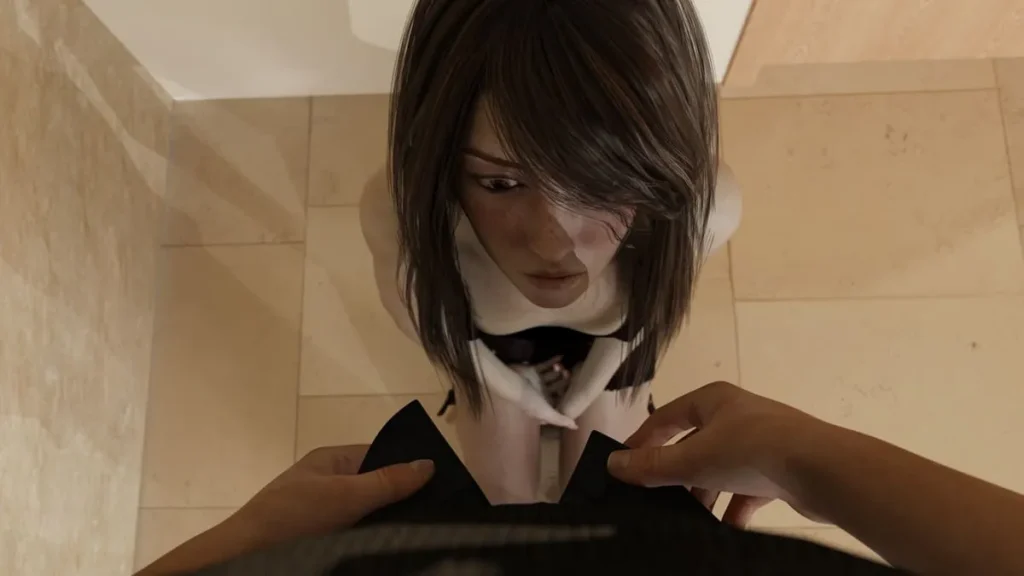
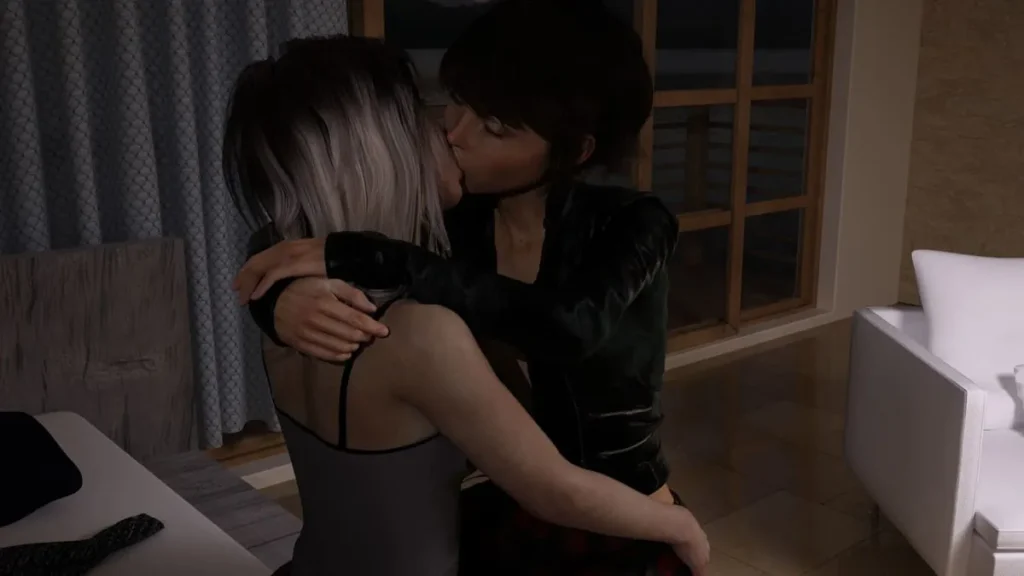
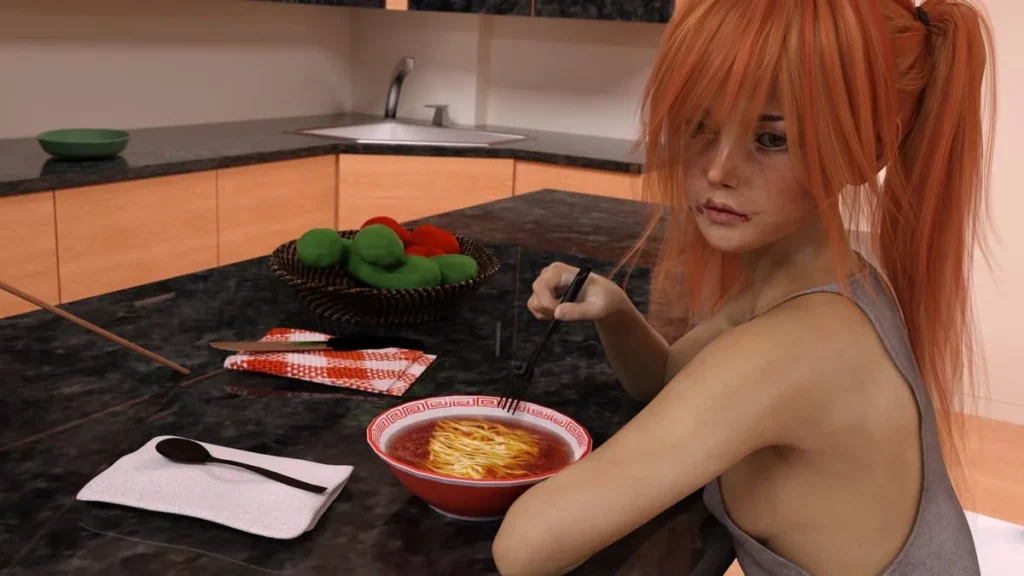
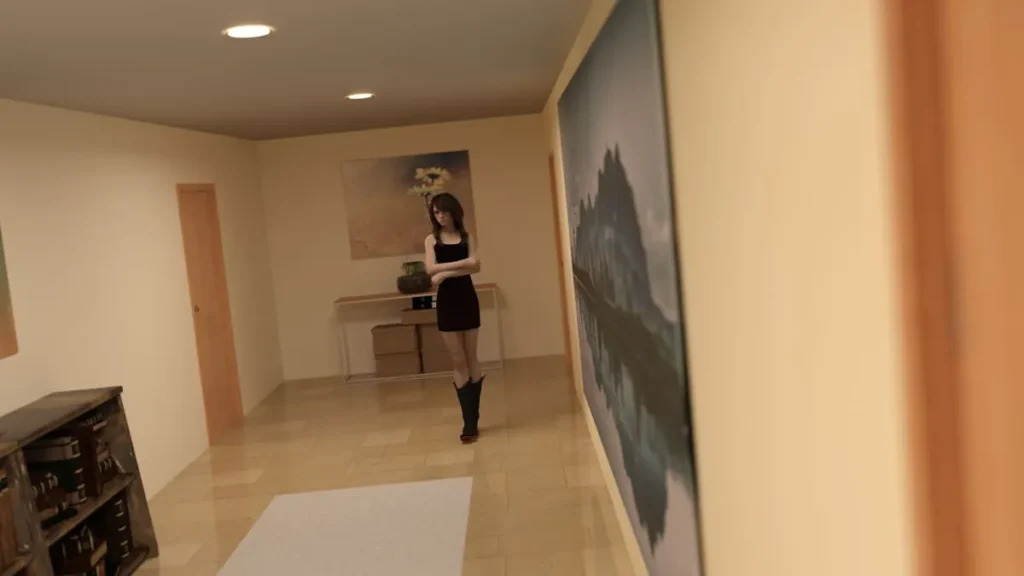
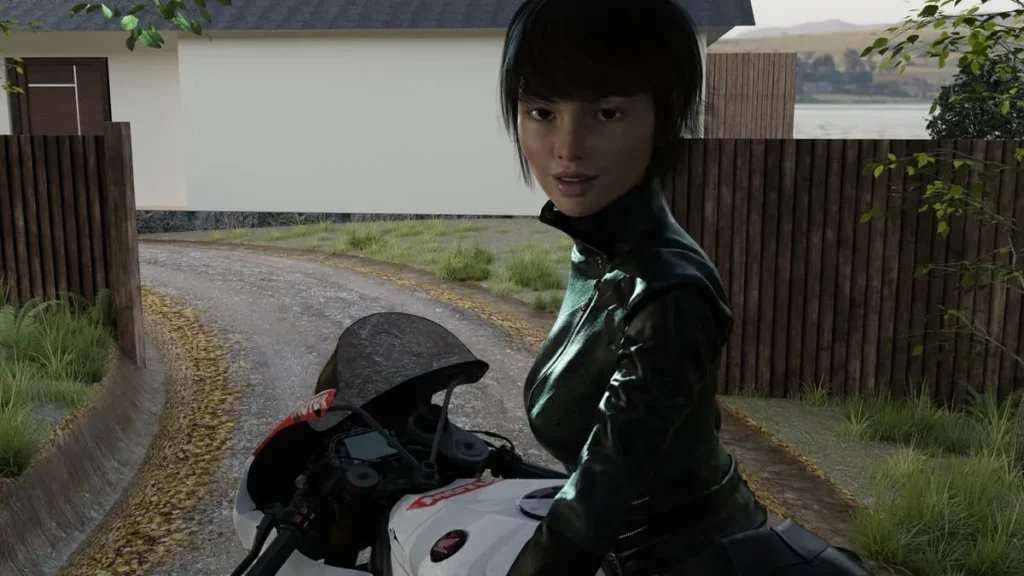
Bad Memories Screenshots
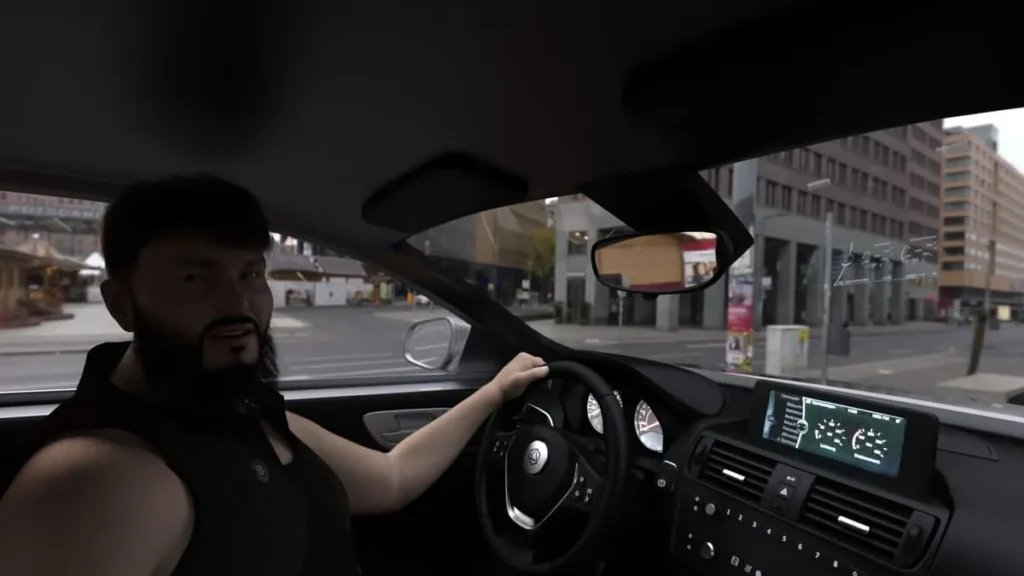
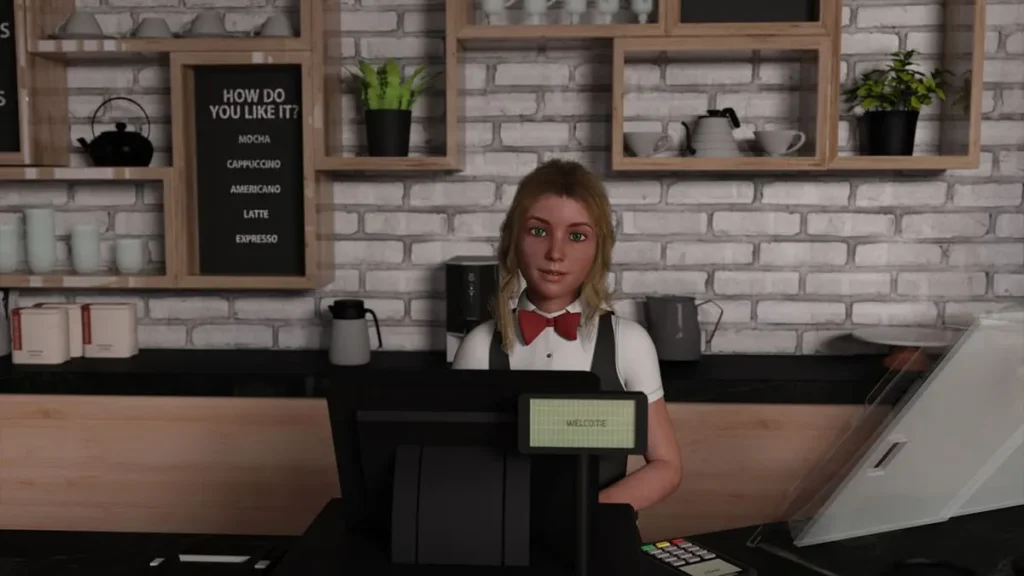




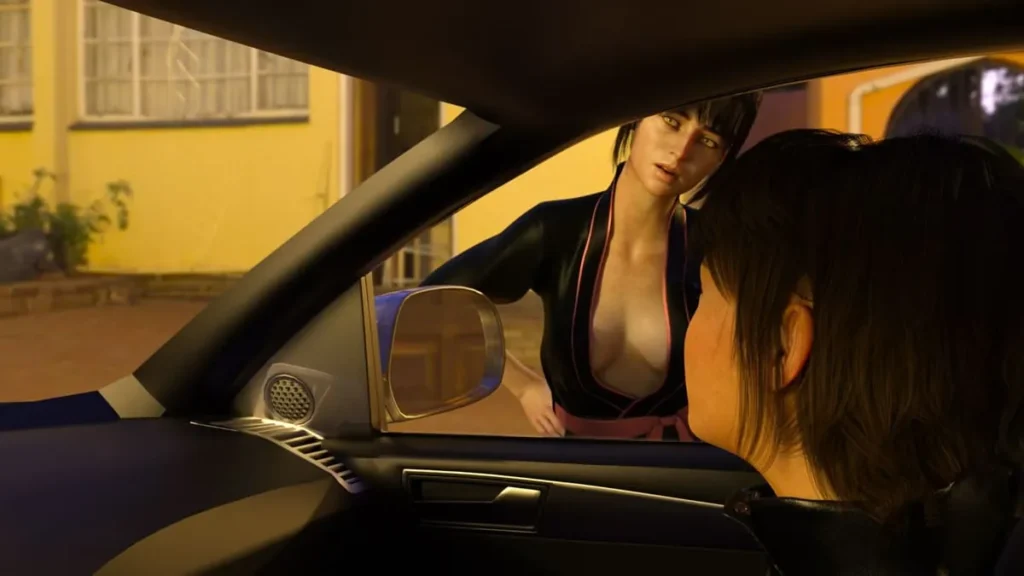










Bad Memories review
A Deep Dive Into the Psychological Horror Visual Novel
Bad Memories stands out as a unique choice-based visual novel that blends psychological horror with intimate storytelling. This game takes players on a journey through fragmented memories and self-discovery, where every decision shapes the narrative outcome. Whether you’re interested in understanding the game’s complex plot, exploring character dynamics, or learning about gameplay mechanics, this guide covers everything you need to know about this compelling interactive experience. The game’s innovative approach to storytelling and its focus on player agency make it a standout title in the visual novel genre.
Understanding Bad Memories: Plot, Setting & Narrative Structure
You wake up. That’s the first, and only, concrete thing you know. The room around you is unfamiliar, shrouded in a silence so heavy it feels like a physical weight. You have no name, no past, no face you’d recognize in a mirror. This is the terrifyingly intimate starting point of the Bad Memories storyline, and it’s a masterclass in pulling you directly into the protagonist’s fractured psyche. From this moment of pure emptiness, the game begins its meticulous, often harrowing, work of reconstruction. You’re not just playing a game; you’re actively participating in an interactive storytelling experience where every recovered fragment of the past is both a revelation and a potential wound.
This isn’t a horror of jump scares and monsters (at least, not always the traditional kind). Bad Memories is a psychological horror visual novel that roots its terror in the uncanny and the deeply personal. The real monster here is the forgotten past, and it manifests in every creaking floorboard, every half-remembered whisper, and every locked door in your mind. Your journey to piece together the Bad Memories plot is a descent into a world where environment, memory, and choice are inextricably linked, creating a tension that lingers long after you’ve put the controller down.
The Core Storyline and Protagonist’s Journey
The core narrative drive of Bad Memories is deceptively simple: discover who you are and why you’re here. But in this game, “here” is a fluid concept. You might find yourself in a dusty, forgotten attic one moment, and a eerily pristine childhood bedroom the next. The environment shifts and warps, a direct reflection of the protagonist’s unstable mental state. The story unfolds not through lengthy exposition or cutscenes, but through fragile, often corrupted, artifacts of a former life.
I remember my first time finding a diary entry. The text was smudged, frantic, speaking of a “she” who was always watching. It felt less like reading a history book and more like eavesdropping on a panic attack frozen in time. This is how the Bad Memories plot is primarily delivered: through diary entries that range from nostalgic to deeply paranoid, distorted audio logs where the voice sometimes glitches into something inhuman, and ghostly echoes—visual and auditory flickers of past events that play out in the space around you. You are an archaeologist of your own trauma, sifting through evidence that feels both alien and intimately familiar.
Central to this mystery is Elara. She appears in these fragments—a name in a diary, a blurred face in a phantom memory, a voice on a decaying tape. She is the haunting nucleus around which the protagonist’s lost history orbits. Is she a victim, a perpetrator, a savior, or a figment of a broken imagination? Your interpretation of Elara, shaped by the evidence you prioritize and the emotions you lean into, fundamentally alters the trajectory of the Bad Memories storyline.
The genius of this setup is that you are never a passive observer. The amnesia isn’t a plot device for the character; it’s a gameplay mechanic for you. You learn the rules of this nightmarish world at the same pace as the protagonist. Every discovery is shared, every shock is mutual. This seamless fusion of player and character perspective is what makes this psychological horror visual novel so uniquely effective. You’re not scared for the protagonist; you’re scared as them.
Environmental Design and Atmospheric Storytelling
If the found documents are the bones of the story, the environment is its bleeding, nervous system. Bad Memories understands that a place can tell a story more effectively than any monologue. This is where the game truly excels as both an interactive storytelling experience and a memory-based puzzle game. The setting is never just a backdrop; it’s an active, breathing character—and your primary puzzle interface.
A locked door isn’t opened with a key you find in a drawer. It’s opened by fixing the memory associated with it. You might enter a dilapidated greenhouse and trigger a ghostly echo of a violent argument. To progress, you must interact with elements in the scene—straightening a fallen pot, aligning shattered glass—to “correct” the memory and calm the psychic resonance enough for the path forward to materialize. It’s a brilliant mechanic that literally makes you engage with the trauma to move past it.
The atmosphere is built on a thousand subtle, crushing details:
* A decaying garden where the only vibrant flowers grow in the shape of a forgotten name.
* Frantic scribbles on a classroom blackboard that start as coherent notes and devolve into a single word, repeated hundreds of times, in increasingly panicked handwriting.
* A nursery where a music box plays a lullaby that slowly, imperceptibly, becomes a dissonant dirge.
* Shifting portraits whose eyes seem to follow you, their features blurring and changing between glances.
These elements convey narrative without a single line of dialogue. They build a pervasive sense of dread and curiosity that pulls you in opposite directions. You want to uncover the truth, but every new room, every new memory, feels like sticking your hand into a dark, unseen space. The environment itself becomes a dynamic threat. Lights flicker to conceal moving shadows. Hallways elongate when you’re being pursued by a nameless, formless anxiety. The game masterfully manipulates space to make you feel both trapped and exposed.
The key narrative elements you’ll piece together are:
* Diary Entries: Personal, unfiltered windows into the protagonist’s past emotional states.
* Audio Logs: Often degraded, offering clues but requiring interpretation through static and distortion.
* Memory Echoes: Playable spectral scenes where you must interact to solve puzzles and advance.
* Environmental Storytelling: The decay, objects, and ambient changes that tell a continuous, unspoken story.
How Choices Shape Your Experience
This is where Bad Memories transforms from a novel you watch into a story you live. Your agency is the most important variable in the entire equation. While uncovering the past, you are also constantly defining the protagonist’s present personality and relationships through every interaction. This isn’t a simple “good vs. evil” choice system; it’s a nuanced web of emotional biases that directly crafts your unique Bad Memories storyline.
You will encounter other lost souls in this nightmare: Rachel, Ellie, Jada, Hanna, and Stephanie. Each represents a different facet of the protagonist’s forgotten world—a friend, a rival, a stranger, a confidant. How you choose to engage with them is critical. Do you trust Rachel’s tearful account of the past, or does her story feel too perfectly crafted? Do you offer comfort to the anxious Ellie, or do you press her for information, worsening her distress? These decisions aren’t marked with obvious morality icons; they feel like genuine, difficult interpersonal moments.
Beneath the surface, the game is quietly tracking your behavior through a parameter system. Metrics like Trust, Suspicion, Empathy, and Self-Preservation rise and fall with every dialogue choice and action. I learned this the hard way. In one playthrough, I chose the “pragmatic” option every time, prioritizing escape over compassion. The game reflected this back at me: characters became cold and withholding, clues dried up, and I reached an ending that was bleak, lonely, and logically sound. It was a chilling reward for my emotional detachment.
These parameters are the invisible gears that lock and unlock different story branches and, ultimately, the game’s multiple endings. The Bad Memories plot you experience is directly dictated by the emotional profile you build. Are you seeking the truth at any cost, even if it destroys everyone around you? Are you trying to protect these broken people you barely remember? Or are you so focused on survival that you’re willing to leave the mystery unsolved? The game accommodates all these paths, making the choice-based narrative game label feel utterly authentic.
Here’s a breakdown of the key figures you’ll meet and how they intertwine with your journey:
| Character | Role & Initial Impression | Significance to the Protagonist’s Journey |
|---|---|---|
| Elara | The central mystery. Appears in fragments of memory as a figure of pivotal importance, but her true role is obscured. | She is the core of the trauma. Understanding your relationship to Elara is synonymous with understanding your own past. Every ending fundamentally redefines who she was. |
| Rachel | Often the first full character met. Presents as helpful and knowledgeable about the shifting environment. | Acts as a potential guide or a primary source of information. Your level of trust in her shapes which avenues of investigation open up early on. |
| Ellie | Appears nervous, vulnerable, and often scared. Seems to hold guilt about past events. | Represents the theme of guilt and fragility. Protecting or pressuring Ellie heavily influences the “Empathy” parameter and can lead to protective or exploitative story branches. |
| Jada | Direct, cynical, and wary. Less inclined to believe in collective salvation, focused on individual truth. | Challenges the protagonist to be skeptical. Interactions with Jada boost “Suspicion” and can lead to more confrontational, revelatory paths that bypass group dynamics. |
| Hanna | Ethereal and detached, often speaking in riddles or half-remembered poetry. Seems disconnected from immediate danger. | Connected to the more surreal, symbolic layers of the memoryscape. Engaging with Hanna can unlock abstract clues and alter your perception of the environment itself. |
| Stephanie | Authoritative and organized, attempting to impose rules and structure on the chaotic setting. | Represents the desire for control and order. Aligning with Stephanie boosts “Self-Preservation” and can lead to endings focused on containment rather than resolution. |
The ultimate conclusion is that in Bad Memories, you are never along for the ride. You are in the driver’s seat of a mind that is trying to rebuild itself from rubble. The Bad Memories characters you meet are less like separate people and more like aspects of a splintered self, and how you integrate (or reject) them determines what kind of person emerges from the darkness. The psychological horror doesn’t just come from what you find, but from who you choose to become while searching. It’s a profound, unsettling, and deeply personal interactive storytelling experience that places the weight of memory—and the terrifying freedom of choice—firmly in your hands. Your journey through the Bad Memories plot is, without question, your own.
Bad Memories delivers a compelling interactive experience that prioritizes player agency and emotional storytelling. The game’s innovative approach to narrative—unfolding through environmental details, memory fragments, and player choices rather than traditional exposition—creates an immersive psychological journey. With its complex parameter system, branching story paths, and memorable characters like Elara, the game rewards multiple playthroughs and encourages players to explore different relationship dynamics and endings. Whether you’re drawn to psychological horror, choice-based narratives, or character-driven stories, Bad Memories offers a unique blend of puzzle-solving, atmospheric design, and meaningful decision-making that makes it a standout title in the visual novel genre. The game’s emphasis on player agency ensures that your choices genuinely matter, creating a personalized narrative experience that reflects your decisions and values throughout the journey.