Broken Sky
Play Broken Sky
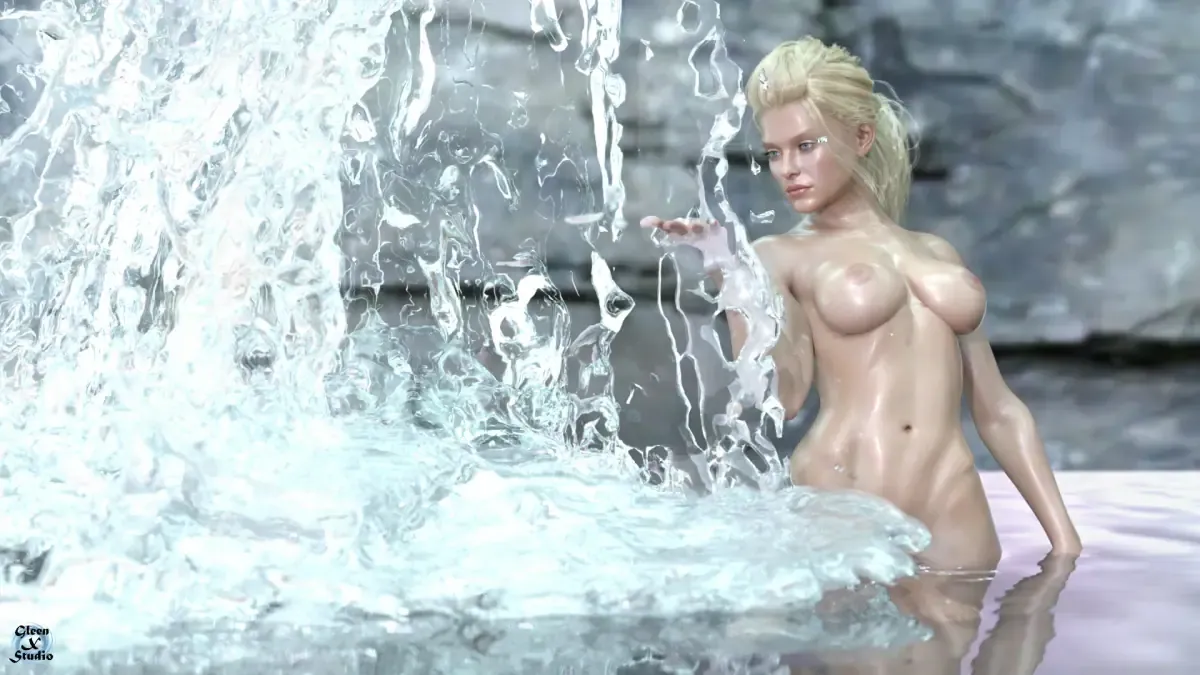
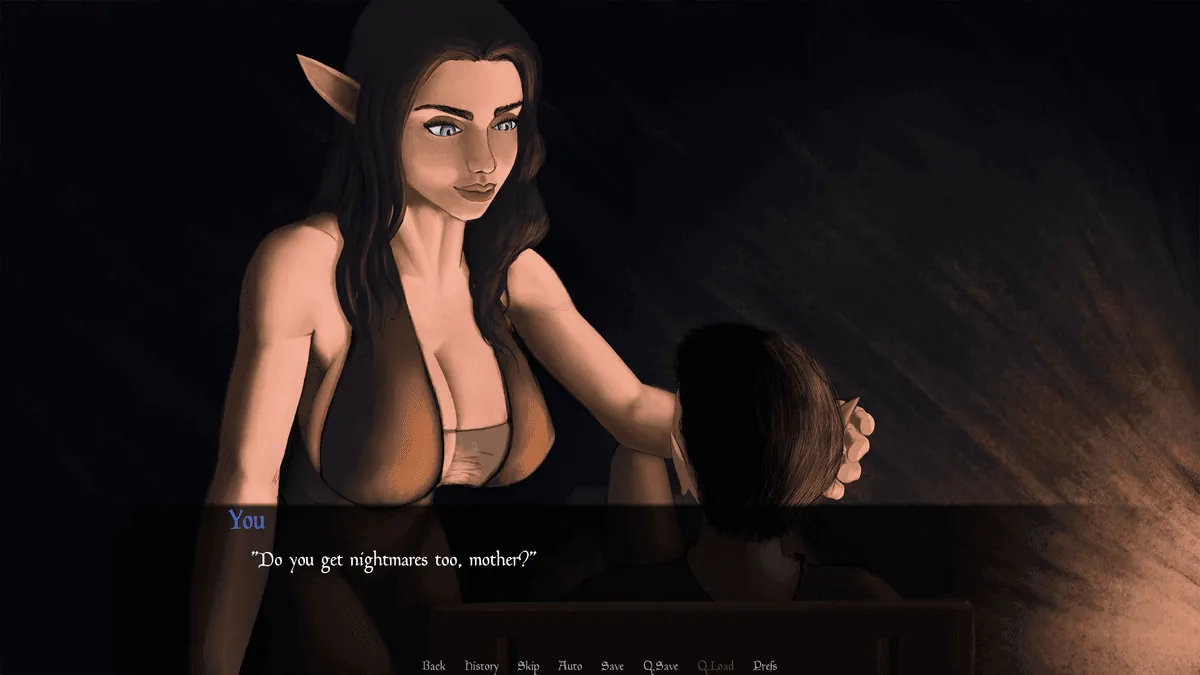
Broken Sky Screenshots
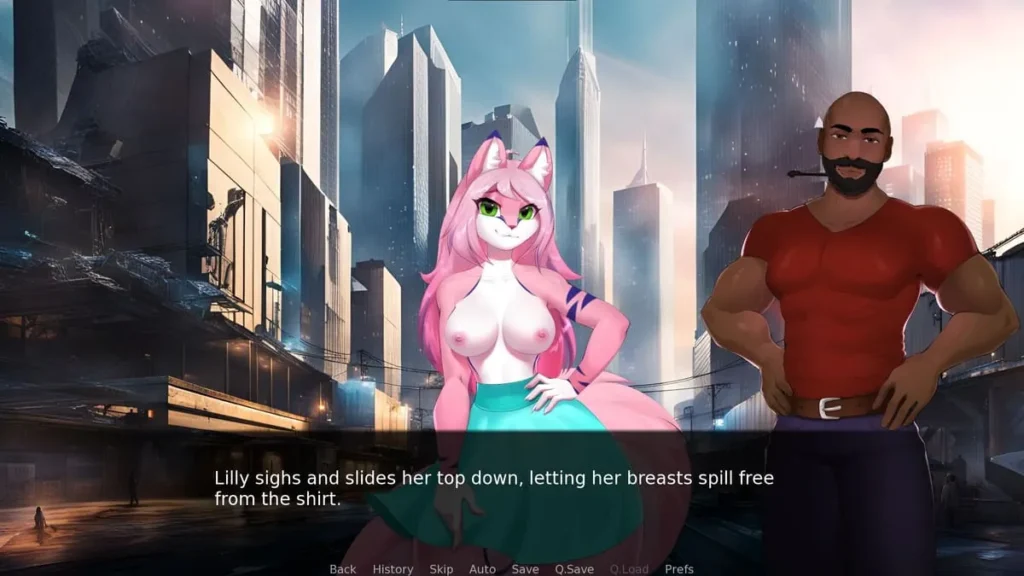
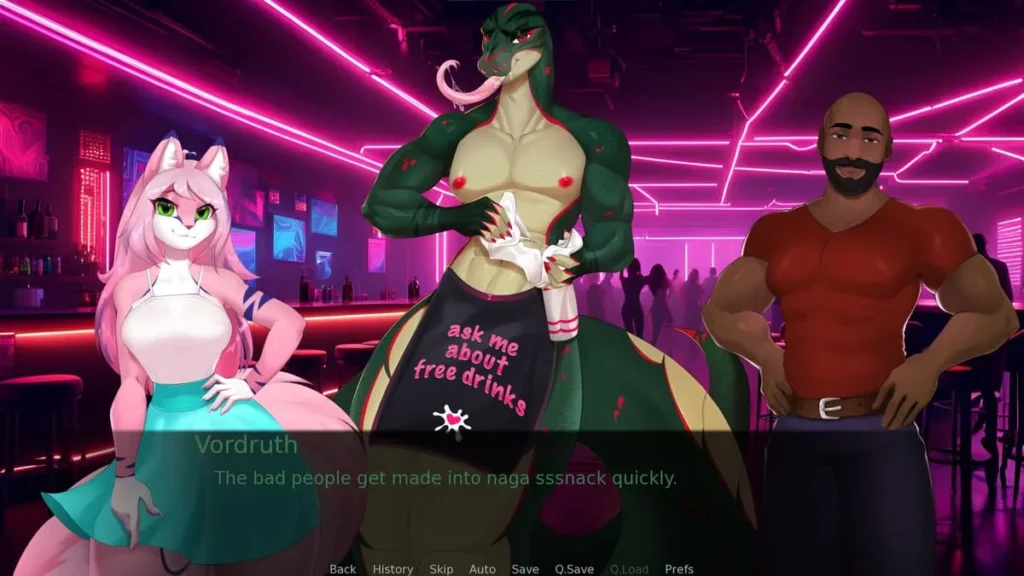
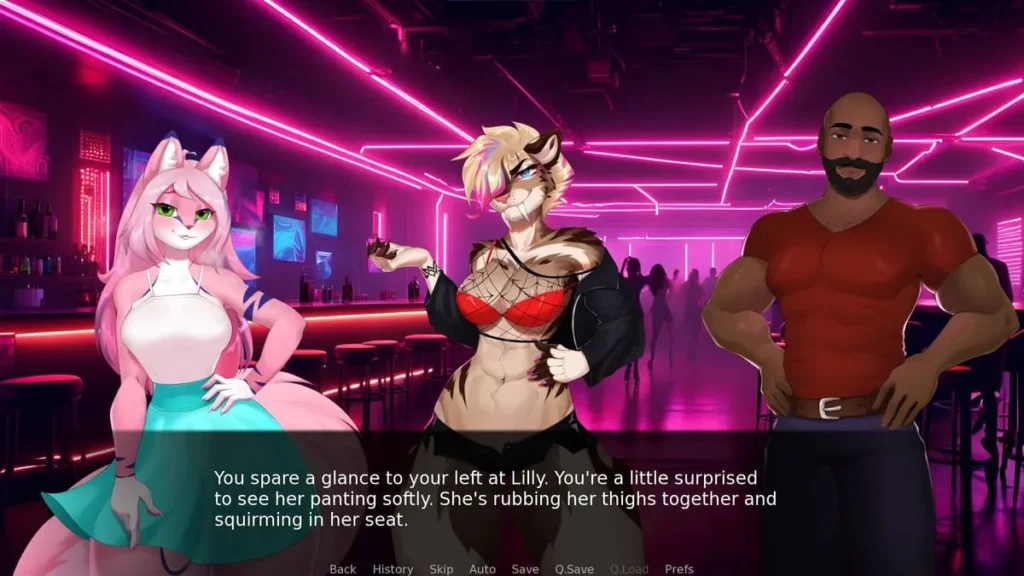

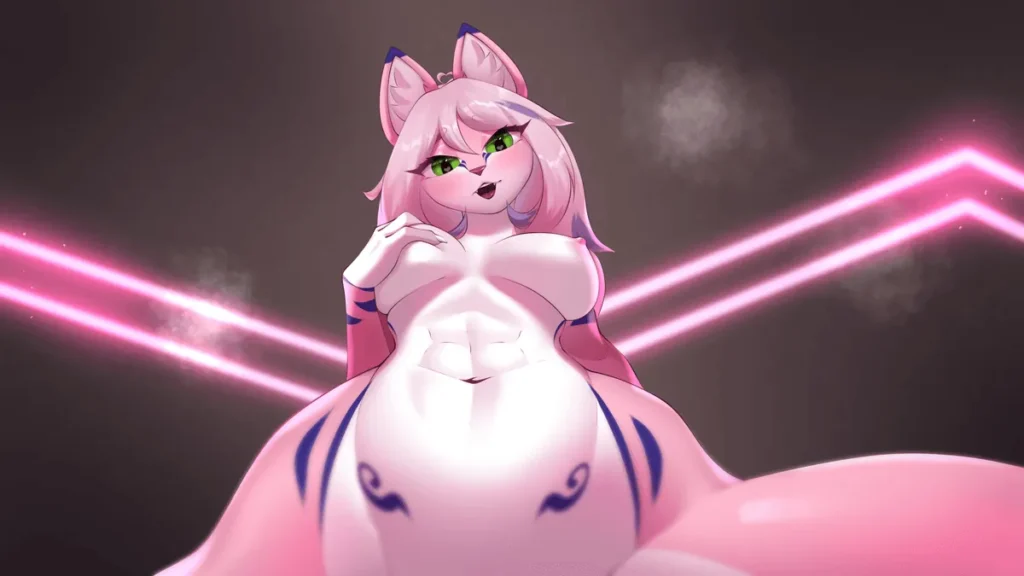

Broken Sky review
Explore the mechanics, story, and gameplay elements of this unique visual novel experience
Broken Sky stands out as a distinctive visual novel that combines engaging storytelling with innovative mechanics. This guide explores what makes the game unique, from its narrative structure to its gameplay systems. Whether you’re a newcomer curious about the experience or a returning player looking to deepen your understanding, this comprehensive overview covers the essential aspects that define Broken Sky. Discover the core features, gameplay elements, and what players can expect when diving into this creative title.
Understanding Broken Sky: Core Mechanics and Gameplay Systems
So, you’ve clicked on this guide because you’ve heard whispers about Broken Sky. Maybe a friend said it “isn’t like other visual novels,” or you saw a snippet of its stunning art and felt that pull. 🎭 You’re in the right place. As someone who has played more visual novels than I care to admit, I can tell you the hype is real. Broken Sky doesn’t just play by the established rules; it carefully bends and reshapes them to create something that feels genuinely fresh. It’s a game that respects your time and your intelligence, wrapping a gripping tale around a set of cool mechanics that make you an active participant in its world, not just a passive reader.
This chapter is your deep dive into the heart of that experience. We’re moving beyond the basic “click to continue” and into the how and why Broken Sky stands out. We’ll tear apart its gameplay mechanics, explore the elegant architecture of its visual novel story structure, and see how every choice you make genuinely matters. Get ready to understand what makes this interactive storytelling game so memorable.
What Makes Broken Sky Unique in the Visual Novel Genre
Let’s be honest: the visual novel space can sometimes feel a bit… samey. 🎨 Beautiful static art, branching dialogue trees, a few key decisions that lead to one of a handful of endings. It’s a formula that works, but Broken Sky asks a simple, powerful question: “What if we could do more?”
What I found, from the very first scene, was a title bursting with creative effort. It’s not just about reading a story; it’s about inhabiting it. The developers have woven interactivity into the very fabric of the narrative in ways that feel intuitive and meaningful. Instead of just selecting “Kind Option” or “Rude Option,” you’re engaging with the environment, solving light puzzles that are diegetic to the plot, and managing resources that affect your relationships and survival. This transforms the Broken Sky game experience from a simple story you witness to a situation you must navigate.
The key here is integration. The Broken Sky gameplay mechanics aren’t minigames tacked on for variety; they are the story. Checking your character’s inventory journal doesn’t feel like a menu—it feels like your character nervously looking through their bag, with notes and mementos that change based on your actions. This seamless blend is what truly sets it apart. It creates a level of immersion where you’re not thinking, “I’ll pick option B to get the good ending,” but rather, “What would I actually do in this terrifying, beautiful situation?”
Here are the core features that define this unique approach:
- The “Momentum” System: Your choices build narrative momentum toward specific character arcs and plot revelations, visually represented in the UI.
- Environmental Interaction: Click on parts of the background to find clues, trigger memories, or alter small story beats, making the world feel alive.
- Integrated Resource Management: Items and information you gather aren’t just checkmarks; they are tools and knowledge you must actively use in conversations and critical moments.
- Dynamic Relationship Grids: Connections between characters shift not just based on what you say, but on actions you take and truths you uncover, affecting group dynamics in complex ways.
As one player, Alex on Reddit, put it: “I went into Broken Sky expecting a weekend read. I came out of it feeling like I’d lived another life. The way my small decisions, like who to share rations with or which clue to pursue first, cascaded into huge consequences by Chapter 3… I’ve never felt so responsible for a story’s outcome. It’s brilliant.” 🗣️ This sentiment echoes across forums and reviews, highlighting how the game’s unique design fosters a deeply personal connection.
Gameplay Mechanics and Player Interaction
Now, let’s get into the nuts and bolts. The Broken Sky gameplay mechanics are where the game’s philosophy becomes tangible. Forget the traditional “save before every choice and reload” mentality. Broken Sky employs a more organic, sometimes unforgiving, system that makes your decisions carry real weight.
The cornerstone is its player choice mechanics. These aren’t always presented as obvious A/B/C dialogue options. Often, choice is embedded in action. Do you spend your limited “Focus” points to meticulously investigate a crime scene, uncovering a vital clue but leaving you mentally fatigued for the next conversation? Or do you take a broader approach, missing the detail but staying sharp for the interpersonal confrontation ahead? This layer of strategy elevates the interactive storytelling game beyond simple narrative branching.
A huge part of the Broken Sky game experience is its dedication to Broken Sky character development. Characters don’t just have affinity meters that go up or down. They have beliefs, secrets, and conflicting loyalties. Your interactions can cause them to trust you with new information, change their own goals, or even turn against each other. Helping one character achieve their personal goal might inadvertently reveal a secret that devastates another, forcing you to manage the emotional fallout of your pragmatic choices.
To break this down, let’s look at how core systems interact:
| Mechanic | How It Works | Impact on Story & Gameplay |
|---|---|---|
| Focus & Insight | A depleting resource used for deep investigation, analyzing character tells, or recalling critical information. | Forces meaningful trade-offs. Do you exhaust yourself to uncover the truth now, or stay alert to navigate social dangers later? Directly influences the clues you find and dialogue options available. |
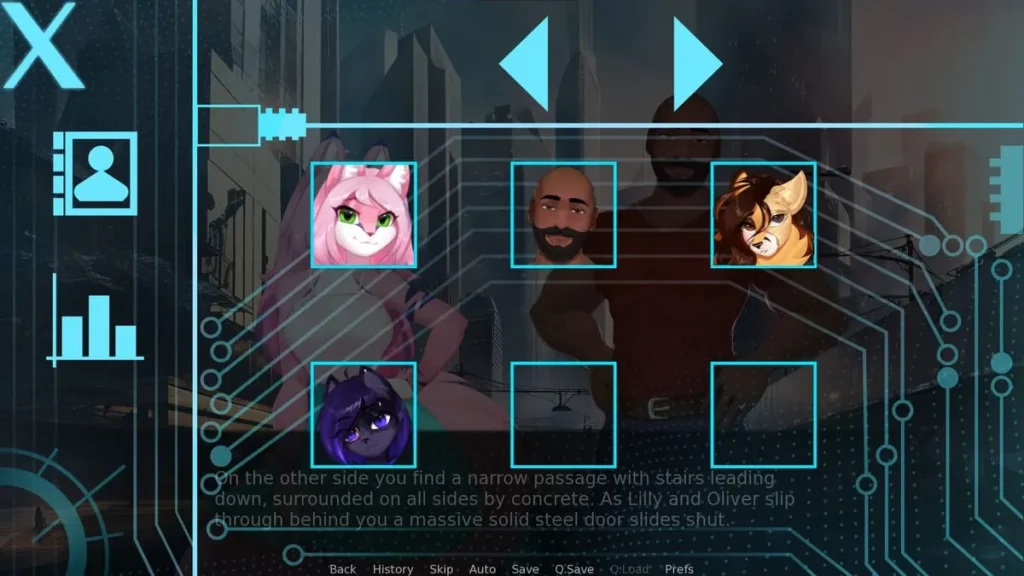
| The Tapestry Menu | A visual web connecting characters, locations, plot threads, and key items you’ve discovered. | Makes the plot’s complexity manageable and rewarding. You actively watch the narrative “tapestry” expand, seeing how your actions create new connections. It’s a brilliant meta-representation of the visual novel story structure. |
| Action-Based Choices | Choices presented through environmental interaction (e.g., picking up an object, hiding in a specific location, using an item at a key moment). | Removes the abstraction of dialogue lists. You are choosing *actions*, not just words, which deepens immersion and makes consequences feel more direct and earned. |
| Memory Fragments | Collectible scenes or pieces of internal monologue that provide backstory for the protagonist and other characters. | Unlocks deeper character motivation and can alter the context of current events. Collecting them is crucial for full Broken Sky character development and understanding the complete narrative picture. |
This integrated design means there’s no “right” way to play, only your way. The game respects your agency, and that’s what makes replaying it so compelling. You’ll immediately wonder, “What if I had used that document to blackmail him instead of offering it as a peace treaty?” That curiosity is the mark of a masterfully crafted interactive storytelling game.
Story Structure and Narrative Progression
If the mechanics are the body, the story is the soul. And oh, what a soul Broken Sky has. 🕊️ Its visual novel story structure is a masterclass in pacing and revelation. It avoids the common pitfall of long, exposition-heavy beginnings. Instead, it throws you into a moment of high tension and trusts you to piece the world together through context, environmental details, and those crucial Memory Fragments.
The narrative unfolds like a delicate, expanding map. You start with a personal, intimate goal—perhaps finding a missing person or escaping a dire situation. But as you pull on those threads, you realize they are connected to a vast, intricate tapestry of political intrigue, ancient mysteries, and profound philosophical questions about truth and sacrifice. This slow-burn expansion of scope is one of the most praised Broken Sky narrative features. It makes the world feel larger than the protagonist, full of history and consequence.
The writing quality is consistently exceptional. Descriptions are evocative without being purple prose. Dialogue snaps, crackles, and feels authentic to each character’s unique voice—a surly engineer doesn’t speak like a poetic scholar. This attention to detail sells the reality of the world and is the bedrock of its Broken Sky character development. You learn about characters not just from what they tell you, but from how they speak, what they avoid, and how they react to the world’s crumbling beauty.
Pro Tip: Pay close attention to the descriptions of the sky and environment. They aren’t just set dressing; they are a direct reflection of the story’s emotional and thematic currents, acting as a silent narrator throughout your journey.
So, how does your interaction shape this? The Broken Sky narrative features are designed to be malleable. Major plot beats will always occur—certain events are fateful—but their meaning, context, and emotional impact are entirely shaped by your journey. You might arrive at a major revelation having already pieced it together from scattered clues, feeling like a genius detective. Another player might arrive at the same moment in shock, because they pursued different relationships and missed those clues, making the revelation a devastating betrayal. The same story beat, two radically different Broken Sky game experiences.
This is achieved through a non-linear visual novel story structure within chapters. While the chapter sequence is fixed, the information you possess within each chapter is not. It’s possible to have a deeply emotional confrontation where your character knows a secret that the other person doesn’t realize you know, giving you unique, powerful dialogue options that wouldn’t otherwise exist. This makes every conversation feel dynamic and unpredictable.
In the end, Broken Sky is more than the sum of its parts. It’s a testament to how gameplay mechanics and narrative can fuse into a singular, captivating experience. The player choice mechanics grant you real ownership, the Broken Sky narrative features ensure that ownership matters, and the superb Broken Sky character development makes you care deeply about the consequences. It’s a journey that stays with you, not just for the story it tells, but for the story it allowed you to tell within its beautifully broken world. ✨
Broken Sky represents a thoughtfully crafted visual novel experience that prioritizes engaging storytelling and innovative mechanics. The game’s well-written narrative, combined with its unique gameplay systems, creates an immersive experience that resonates with players seeking quality interactive fiction. From its distinctive story structure to its attention to detail in character development, Broken Sky demonstrates the creative effort and passion behind its design. Whether you’re exploring the game for the first time or looking to understand its mechanics more deeply, this guide provides the foundation for appreciating what makes Broken Sky a compelling choice in the visual novel landscape. Start your journey today and discover why players appreciate this unique gaming experience.