
Exiles
Exiles Screenshots











Exiles review
Explore the fantasy adventure, gameplay mechanics, and character options in this immersive visual novel experience
Exiles stands out as a narrative-driven visual novel that combines fantasy storytelling with interactive gameplay elements. Set in a richly detailed world inspired by Arabian Nights, this game follows your journey from poverty to prosperity as you navigate relationships, make meaningful choices, and experience a branching storyline. Whether you’re interested in the game’s mechanics, character development, or the flexibility it offers in customization, this guide covers everything you need to know about what makes Exiles a compelling choice for players seeking depth and player agency in their gaming experience.
Understanding the Exiles Game World and Story
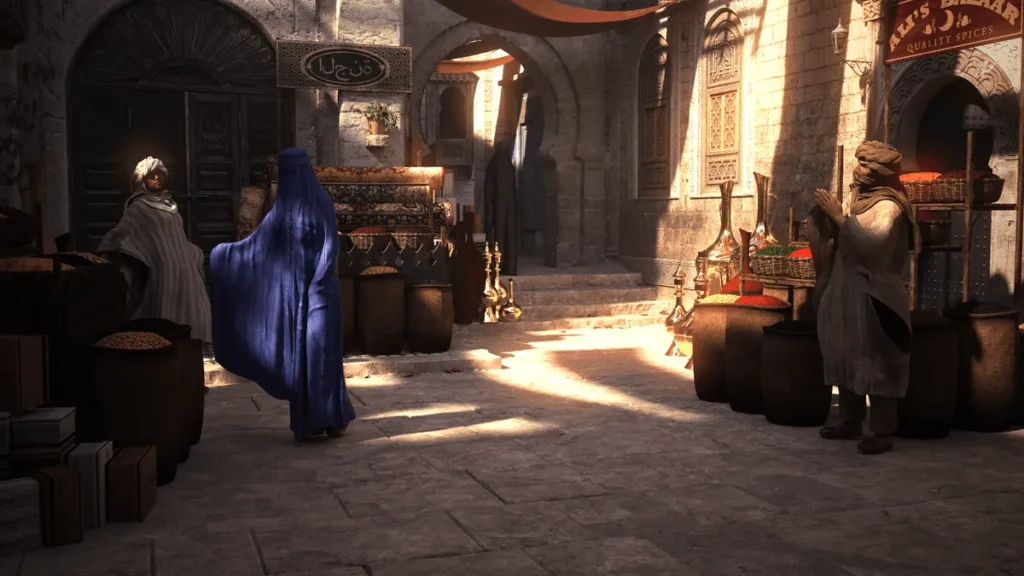
Ever found yourself scrolling through games, searching for something that pulls you into its world and makes you care? A story where your decisions feel weighty, the characters feel real, and the setting is a character in itself? If you’re nodding along, then let me introduce you to the Arabian Nights setting of Dumat al-Julfar, the beating heart of the Exiles game story. Forget generic fantasy realms; this is a world of shimmering heat, bustling souks, and ancient magic, waiting for you to leave your mark. 🏜️✨
The visual novel narrative in Exiles isn’t just about reading—it’s about living an epic tale of transformation. You begin with nothing, a soul shaped by the harsh streets, and through your choices, you can ascend to legendary status. It’s a powerful fantasy that hooks you from the very first scene. Let’s pull back the curtain on this desert jewel and explore exactly how its world, people, and your own agency combine to create a truly unforgettable experience.
The Setting and Narrative Foundation
Close your eyes and picture this: the scent of exotic spices hangs in the air, the sound of haggling merchants mixes with distant music, and the sun beats down on sandstone towers. Welcome to Dumat al-Julfar world, a port city teeming with life, intrigue, and secrets. This isn’t just a backdrop; it’s the crucible where the Exiles game story is forged. The developers have poured incredible detail into crafting a setting inspired by tales from One Thousand and One Nights, but with its own unique, living identity.
You step into the worn shoes of a protagonist who knows struggle intimately. The core premise is a classic yet powerful arc: from rags to riches, from nobody to hero. You start as a poor orphan, your past a mystery, your future uncertain. A pivotal encounter with a wealthy and mysterious benefactor changes everything, offering sanctuary and a chance at a new life. But this is no simple handout. This act of mercy sets you on a winding path where you must navigate high society, uncover political schemes, confront supernatural threats, and ultimately decide what kind of person—what kind of hero—you will become.
The magic of the visual novel narrative here is in its texture. The RenPy engine brings Dumat al-Julfar to life with stunning, high-resolution artwork. You don’t just read about the glittering palace halls or the shadowy alleyways; you see them in vivid detail. The interactive storytelling is woven into the very fabric of the city. A conversation with a merchant in the souk might reveal a crucial clue. A choice to explore a forbidden part of the library could unlock a hidden lore about ancient djinn. The world reacts to you, making every playthrough feel personal and discovery-driven.
My Tip: Don’t rush through the early scenes establishing your life in the city. Soak in the atmosphere! The world-building in these moments pays off massively later, making the stakes feel real and your victories earned.
This foundation of a rich world and a transformative personal journey is what sets the stage for the game’s true strength: its people.
Character Development and Relationship Options
If the setting of Dumat al-Julfar is the stage, then the cast of Exiles are the award-winning actors delivering a powerhouse performance. The character relationships in this game are the core of its emotional engine. We’re not talking about static NPCs who just give you quests; we’re talking about complex individuals with their own dreams, fears, and histories that intertwine with yours.
Remember that wealthy benefactor? They’re just the first of a memorable roster you’ll meet. You might form a fierce rivalry (or perhaps something more) with a cunning royal guard captain. A scholarly mystic with knowledge of old magic could become your closest ally or your greatest regret. Each character is introduced with care, and your interactions with them feel meaningful, whether they’re filled with witty banter, tense drama, or growing affection.
Where Exiles truly shines is in the incredible flexibility of these character relationships. The game understands that desire and connection are personal. Do you envision your protagonist finding solace and passion with a charismatic noble? Perhaps your heart is drawn to a fellow outsider with a fiery spirit. The game’s design allows you to pursue different romantic and intimate paths based on your natural preferences.
This extends to a thoughtful approach to inclusion. Certain relationship paths, including LGBTQ+ options, are presented as organic parts of the world. The key here is choice and customization. These paths are available for those who wish to explore them, allowing you to craft a story that feels authentically yours. It’s this commitment to player agency in personal connection that makes the visual novel narrative so deeply engaging.
Let’s look at a concrete example of how your journey and relationships can evolve:
Example: From Street Orphan to Confidant of the Powerful
* Act I (The Orphan): You begin scrounging for food, interacting with the city’s underbelly. Your early dialogue choices establish your core personality: are you a cynical survivor, a hopeful dreamer, or a pragmatic realist?
* Act II (The Ward): Taken in by your benefactor, you navigate high society. Here, you meet key characters. Choosing to spend your afternoon studying with the mystic (👳♂️) might boost your magical insight and deepen that bond, while opting to train with the guard captain (⚔️) could increase your combat prowess and spark a different kind of tension.
* Act III (The Key Player): As a city-wide crisis emerges, your accumulated skills and relationships dictate your path. The ally you’ve grown closest to may provide the crucial solution, or a strained relationship could create a devastating obstacle. The person you’ve become determines the fate of the world you’ve learned to call home.
To give you a clearer view of the tapestry of personalities awaiting you, here’s a breakdown of some central figures you’ll forge bonds with:
| Character | Role & Archetype | Potential Relationship Arc |
|---|---|---|
| The Benefactor | Wealthy Patron / Mysterious Guide | Mentorship, complex loyalty, uncovering shared history |
| The Royal Captain | Dutiful Warrior / Cunning Strategist | Competitive rivalry, earned respect, passionate alliance |
| The Desert Mystic | Scholar of Secrets / Keeper of Lore | Intellectual partnership, guiding through ancient magic, deep emotional connection |
| The Free-Spirited Merchant | Charismatic Outsider / Information Broker | Adventurous partnership, freedom vs. duty, leveraging street-smart wisdom |
How Your Choices Shape the Story
This is where the magic of Exiles truly comes alive: in the palpable cause and effect of your decisions. The choice-driven gameplay isn’t an illusion; it’s the intricate clockwork at the heart of the experience. Every dialogue selection, every action taken (or not taken), and every alliance you nurture sends ripples through the Exiles game story, altering its course in ways both subtle and profound.
The game masterfully avoids simple “good vs. evil” binaries. Instead, you’re often choosing between loyalty and pragmatism, truth and peace, personal desire and public duty. Saving a character in an early chapter might grant you a powerful ally later, but it could also make you a dangerous enemy of their foes. Conversely, playing things too safely might leave you without crucial support when the final crisis hits. The interactive storytelling makes you feel the weight of leadership.
The visual novel narrative structure, powered by RenPy, is perfect for this. It allows for complex branching paths that a traditional game might struggle to implement. You’re not just choosing a quest outcome; you’re shaping personalities, determining who lives or dies, and ultimately, writing the history of Dumat al-Julfar itself. Will you be the cunning spymaster who rules from the shadows, the beloved public hero, or the weary warrior who saved the city but lost everything personal? The pen is in your hand.
This choice-driven gameplay creates immense replay value. I found myself immediately starting a second playthrough just to see how different my relationships and the city’s fate could be when I made opposing choices. It’s a testament to the depth of the writing and design.
My Insight: The most memorable moments often come from smaller, personal choices, not just the big, plot-altering ones. Who you comfort after a loss, what secret you choose to reveal, or which invitation you accept for an evening—these moments define your character in the eyes of others and lock in unique story branches.
To help you visualize the scope of your influence, here are some key decision points and the kind of branches they can create:
Key Story Branches and Decision Points:
1. The Foundation of Trust: Early on, you must decide how much to reveal about your mysterious past to your Benefactor. This sets the tone of your entire relationship—is it built on transparency or strategic secrecy?
2. A Conflict of Ideals: When a dispute erupts between the law (the Captain) and a cultural outsider (the Merchant), do you enforce the rules or defend understanding? This choice can ally you firmly with one faction and alienate the other, opening and closing entire subplots.
3. The Allocation of Resources: During a city-wide threat, you must choose where to deploy aid. Do you fortify the noble quarter to maintain political power, or protect the crowded market district to save more lives? This utilitarian choice defines your public legacy.
4. The Ultimate Sacrifice: In the climax, you may be offered power to save the city, but at a great personal or ethical cost. Accepting it can lead to a “victorious” but bittersweet or dark ending, while rejecting it forces a harder, more heroic path with different risks.
The brilliant interactive storytelling of Exiles ensures that your journey through its Arabian Nights setting is uniquely yours. It understands that a great fantasy adventure is about more than defeating a villain; it’s about who you become along the way and the bonds you forge in the fire of crisis. From the first moment you awake in the dusty streets of Dumat al-Julfar world to the final, fateful decision you make for its people, you are not a passenger—you are the author. So, step forward, orphan. Your story, and the story of a city, awaits its first crucial choice. 📖✨
Exiles delivers a compelling blend of narrative depth, player agency, and visual quality that distinguishes it within its genre. The game’s strength lies in its well-crafted story that balances humor with genuine character development, allowing players to form meaningful connections with a diverse cast. The robust customization options ensure that players can tailor their experience to match their preferences, whether they’re interested in specific relationship paths or content types. With ongoing development from Tim.E.Pants Games and regular updates that enhance graphics and expand the story, Exiles continues to evolve. For players seeking an immersive visual novel experience with substantial replay value through branching narratives and multiple character routes, Exiles offers a rich and engaging adventure that respects player choice while delivering quality storytelling and production values.