Good Girl Gone Bad
Play Good Girl Gone Bad
Good Girl Gone Bad Screenshots

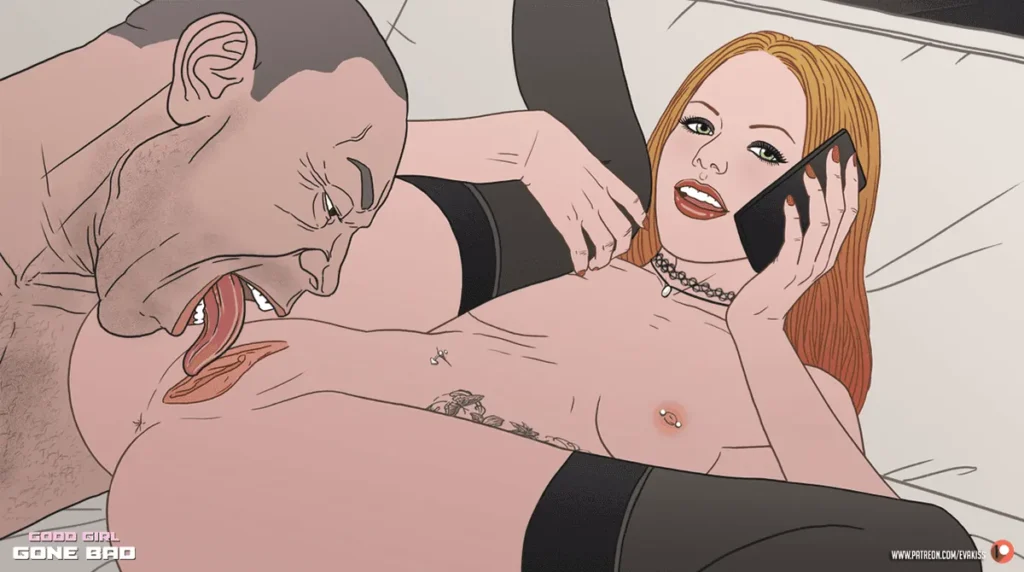


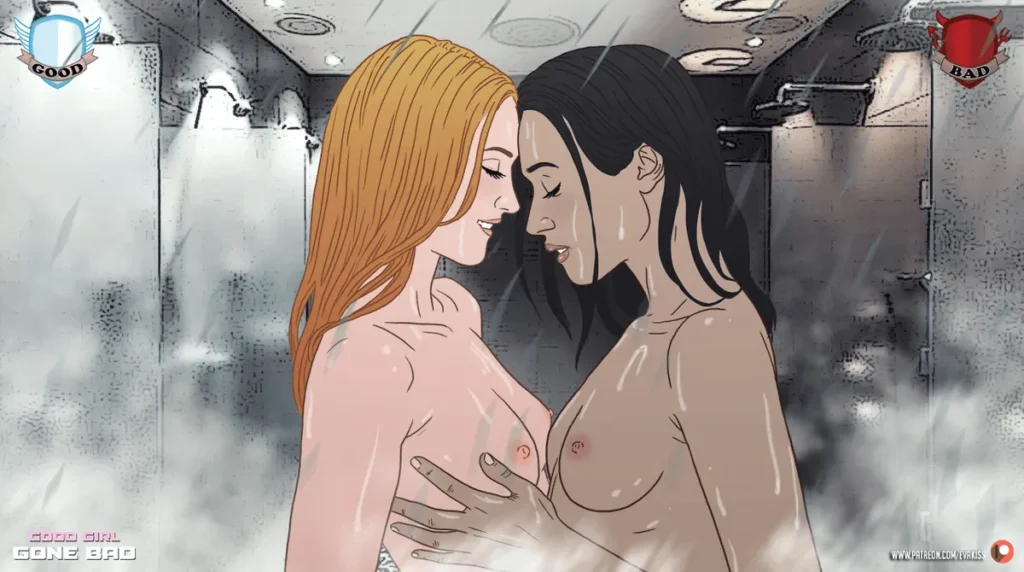
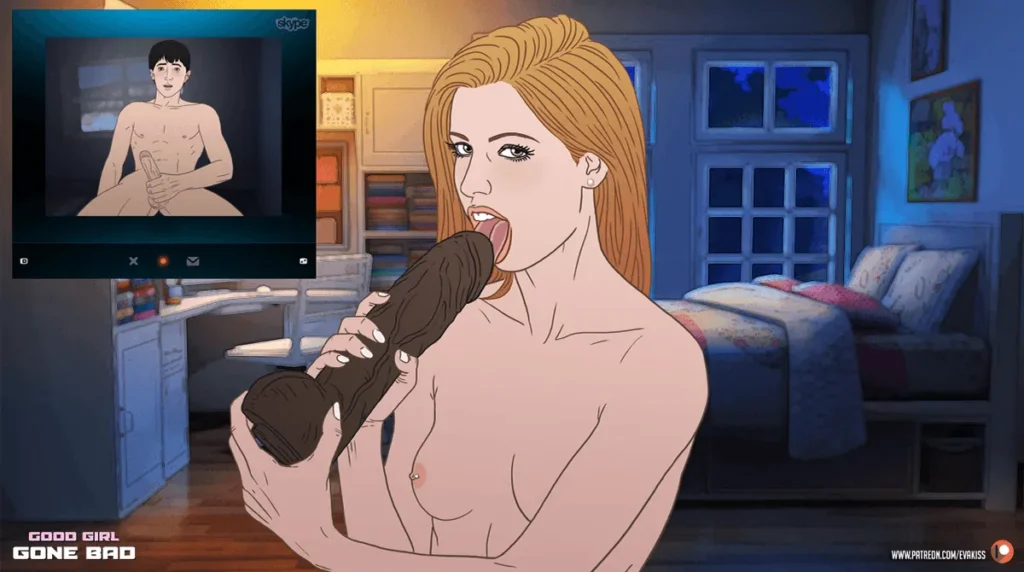








Good Girl Gone Bad review
Dive into Ashley’s Wild Choices and Branching Paths
Ever wondered what happens when a straight-laced girl like Ashley steps into a world of temptation and risky decisions? Good Girl Gone Bad pulls you right into her shoes in this gripping visual novel packed with branching stories and steamy encounters. You’ll shape her journey from innocent paths to downright naughty adventures, all with hand-drawn art that pops off the screen. I remember my first playthrough—heart racing as one choice led to unexpected thrills. Whether you’re chasing good endings or embracing the bad girl vibe, this guide uncovers everything to maximize your fun and replay value.
What Makes Good Girl Gone Bad So Addictive?
I remember stumbling across Good Girl Gone Bad almost by accident, scrolling through a list of indie recommendations. I thought, “Okay, another visual novel, let’s give it ten minutes.” Cut to three hours later, I was completely hooked, restarting my save because I had to see what happened if I told off my boss instead of being polite. That’s the magic of this game. It’s not just a story you watch; it’s a life you steer, with every visual novel choice feeling like a genuine fork in the road for Ashley, the girl at the center of it all. So, what exactly is Good Girl Gone Bad that makes it so utterly captivating?
Who Is Ashley and Why Play as Her?
Let’s talk about Ashley. 🎭 When you start the Good Girl Gone Bad game, she’s your avatar—a young woman fresh out of a long-term relationship, feeling stuck in a boring small-town life. She’s relatable, a bit unsure of herself, and standing at a crossroads. This isn’t a power fantasy where you play a pre-determined hero or villain. Ashley Good Girl Gone Bad is a blank slate shaped entirely by your curiosity, your morals, or your desire for chaos.
Playing as her is addictive because her transformation (or lack thereof) is yours to define. Will you guide her to rebuild her life with a steady job and sincere relationships? Or will you tempt her into a world of thrill-seeking, risky behavior, and sensual exploration? The genius is that neither path feels cartoonish. The “good” path has its own challenges and rewards, while the “bad” path is often sprinkled with moments of doubt and unexpected consequences. You’re not just picking dialogue options; you’re building her personality, her reputation, and her future through hundreds of small decisions. This deep connection to her journey is the core of the game’s pull.
Core Mechanics: Choices, Points, and Paths Explained
At its heart, the Good Girl Gone Bad game operates on elegantly simple systems that create incredibly complex results. It all revolves around three key currencies: Good Points, Bad Points, and Money. Your choices constantly feed into these pools, and they quietly unlock or lock away entire story arcs.
Every significant action you take—from how you talk to your parents, to a flirtatious comment, to a bold act—will reward either Good or Bad points. 🧮 These points aren’t just a morality meter; they’re literal keys. Certain story events, character relationships, and scenes only become available when you reach specific thresholds of Good or Bad alignment. It’s a constant, subtle push-and-pull that makes every decision weighty.
Money is your practical engine for change. You need it to buy new outfits, access different locations, and even influence certain story beats. How you earn it is a choice in itself: take a traditional part-time job, or dive into the more lucrative but scandalous world of camming? Your income source can dramatically alter how other characters perceive Ashley.
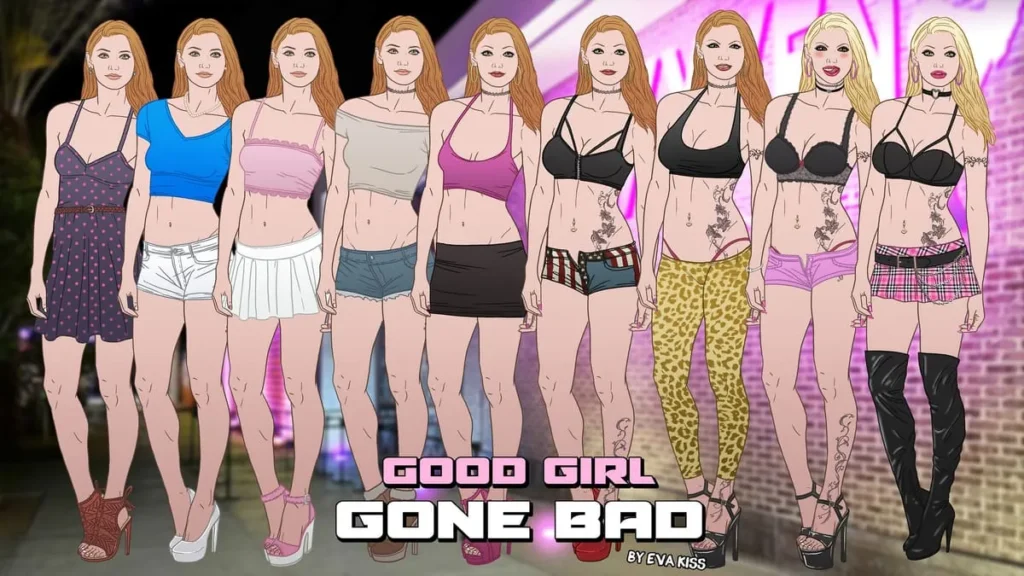
Finally, Experience is gained by performing various acts, and it’s often tied to what you’re wearing or who you’re with. I love how one outfit swap changes everything—wearing a conservative dress might open a polite conversation with one character, while the same scene in a daring outfit could unlock a completely different, more intimate path. This ties the game’s systems together beautifully; your style isn’t just cosmetic, it’s a tool for storytelling.
Here’s a quick look at how some early choices can start shaping your playthrough:
| Action | Good Points | Bad Points | Notes & Requirements |
|---|---|---|---|
| Comfort your friend Eva after her breakup | +2 | 0 | Strengthens a key friendship. |
| Flirt aggressively with the bartender | 0 | +2 | Requires wearing a more revealing top. |
| Accept the office internship | +1 | 0 | Opens a traditional income source. |
| Sign up for the cam website | 0 | +3 | Unlocks alternative, faster money-making. |
| Be rude to your mother on the phone | 0 | +1 | Affects family relationship status. |
These branching story paths are the true soul of the experience. There’s no single “right” way to play. In one of my first playthroughs, I tried to keep Ashley “pure,” focusing on her career and being kind. It led to a sweet, stable ending that felt earned. But the temptation was too strong! I replayed, and just one different choice—deciding to keep a secret instead of confessing—snowballed into a wild, dramatic chain of events I never saw coming. This is the replayability goldmine. The game’s design ensures that to see even half of its content, you must explore different alignments and make opposing choices.
Unique Art Style and Story Branching Secrets
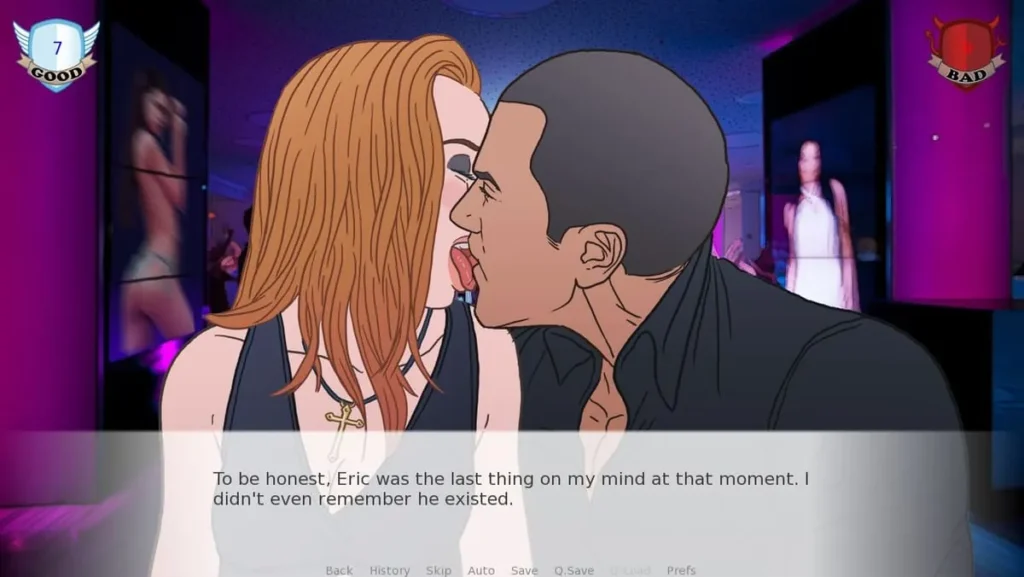
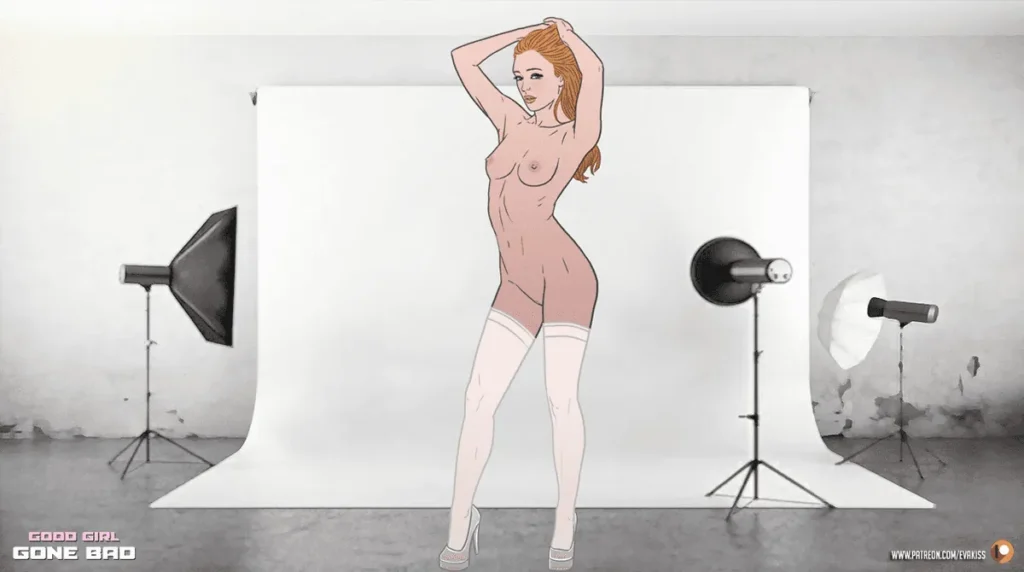
One of the first things that sets Good Girl Gone Bad apart from a sea of other adult games is its stunning hand drawn art style. ✍️ Forget the generic 3D models you might see elsewhere; every character, background, and detailed scene is crafted with meticulous, traditional artistry. This gives Ashley and her world a unique personality and warmth that polygons often lack. The expressions feel more nuanced, the scenes more intimate, and the entire experience more cohesive because of this artistic commitment. When you see a scene in this game, you know it was drawn for that specific moment, not assembled from a library of generic assets.
This art style directly serves the narrative. Because the artists hand-drew countless variations, the visual novel choices you make are often reflected immediately on screen. A different outfit, a changed hairstyle, or a character’s reaction—all are visually represented, making your impact on the world feel tangible and real. This is a huge part of the immersion.
The story branching secrets are where the game truly becomes a masterpiece of design. We’re not talking about just a few different endings; we’re talking about entirely different middles. Your relationship with each major character exists on its own branching tree. You can be best friends with Eva, rivals, or something more complicated. You can pursue a romantic path with one character while completely alienating another. Certain major plot events will only trigger if you’ve made a specific series of choices across multiple days, often involving points, money, and outfit checks.
Think of it like a narrative web. Tug on one thread—like deciding to skip work—and it might affect your standing with your boss, your available cash that evening, and even which friend is available to hang out, leading to a unique scene you’d otherwise never see.
This creates those amazing “Wait, that can HAPPEN?!” moments that define the best choice-driven games. Discovering these hidden branching story paths is the core gameplay loop. You finish one story, see the credits roll on a good vs bad ending, and immediately start a new game, wondering, “What if I said no this time?” The game constantly rewards curiosity and punishes (in the best way) the desire to play it safe.
So, what is Good Girl Gone Bad in the end? It’s a beautifully crafted sandbox of personality and consequence. It’s the thrill of guiding a life through a vivid, hand-illustrated world where your smallest whim can rewrite the future. It’s the tension of good vs bad endings that feel less like a judgment and more like the natural result of the person you chose to become. It’s a game that respects your time by offering a completely new story with every replay, making that initial discovery—the one that hooked me for hours—just the beginning.
To get you started on uncovering all of Ashley’s secrets, here are a few beginner tips to maximize your freedom and enjoyment:
- Embrace the Save File: Save often and in multiple slots! 📁 Before any big decision, make a new save. This is your ticket to exploring branching story paths without committing 100% on your first try.
- Outfits Are Keys: Seriously, change your clothes frequently. 👗 Many scenes, dialogues, and opportunities are locked behind wearing specific attire. Experiment in your wardrobe at the start of each day.
- Talk to Everyone, Every Time: Circle back to characters in different locations and at different times. Their availability and dialogue options shift based on your choices, points, and even the time of day.
- Money Opens Doors: Don’t ignore your finances. 💰 Whether you earn it through a day job or more adventurous means, having cash on hand is often the requirement for the most interesting outfits and story options.
- Forget “Right” and “Wrong”: On your first playthrough, go with your gut. Don’t try to game the system to be purely good or bad. Let Ashley be messy and complicated. The most memorable stories come from unexpected choices.
Good Girl Gone Bad masterfully blends choice-driven storytelling with thrilling temptations, letting you craft Ashley’s fate in ways that keep you coming back for more paths and scenes. From innocent starts to wild deviations, every decision packs excitement and depth. My top insight? Experiment boldly—those branching outcomes are where the real magic happens. Ready to dive in? Grab the latest version, pick your path, and see if you can resist the bad girl pull. Share your wildest endings in the comments—what choice shocked you most?