Play Lust Theory Season 2
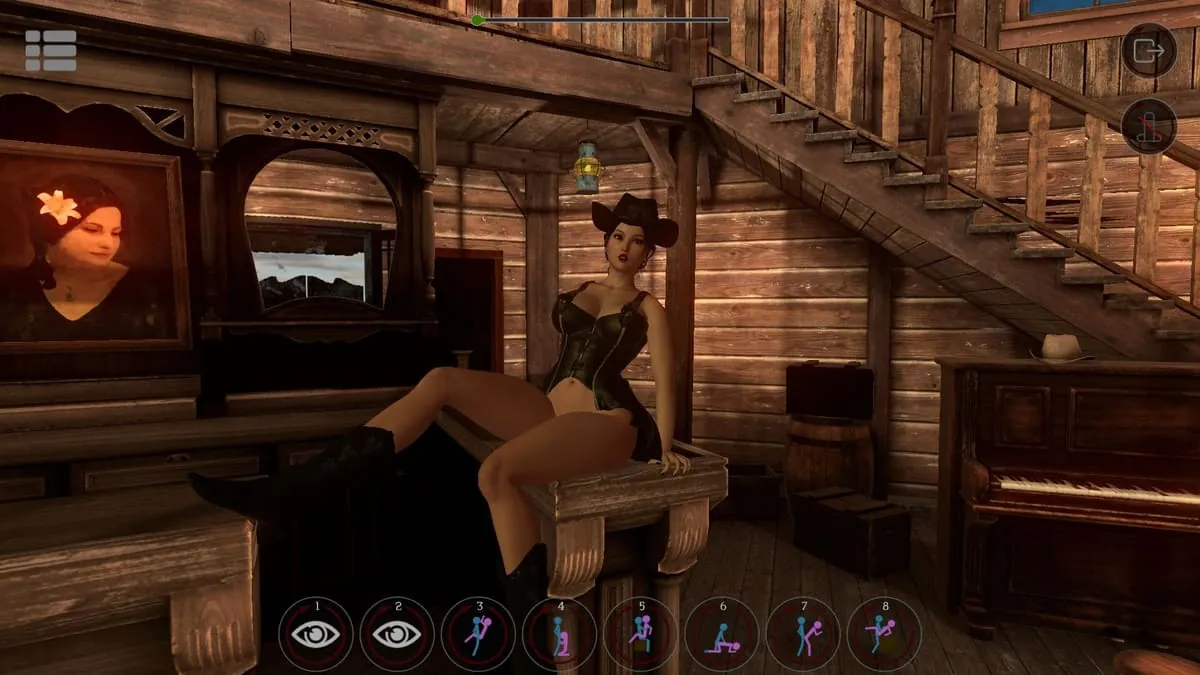
Lust Theory Season 2 Screenshots









Lust Theory Season 2 review
Explore gameplay mechanics, character development, and what makes this adult visual novel stand out
Lust Theory Season 2 continues the narrative-driven experience that captivated players in the original installment. This adult visual novel expands on the foundation of Season 1, introducing new characters, deeper storylines, and enhanced gameplay mechanics. Whether you’re a returning player or considering diving into the series, understanding what Season 2 offers is essential. This guide covers everything from core gameplay elements to character arcs, helping you navigate this interactive experience and maximize your enjoyment of the game’s extensive content.
Understanding Lust Theory Season 2 Gameplay Mechanics
Ever loaded up a game, clicked through a few scenes, and thought… “Okay, but what am I actually doing here?” 🤔 I’ve been there, especially with story-rich titles where it’s easy to feel like a passive observer. When I first started Lust Theory Season 2, I was worried it might be another pretty slideshow. Boy, was I wrong. This isn’t just a story you watch; it’s a world you manage, relationships you cultivate, and a timeline you directly shape with every single choice. The depth of its interactive narrative game design genuinely surprised me.
Understanding the Lust Theory Season 2 gameplay isn’t just helpful—it’s essential to unlocking everything this fantastic experience has to offer. Think of it less as reading a book and more as being the director, screenwriter, and lead actor all at once. 🎬 This guide will break down exactly how to play Lust Theory effectively, from its core progression loops to the delicate dance of its character relationship system. Let’s dive in and master the mechanics that make this title stand out.
Core Gameplay Structure and Progression System
At its heart, the Lust Theory Season 2 gameplay loop is an elegant blend of time management, exploration, and narrative discovery. You don’t just watch days go by; you actively decide how to spend them. The game is divided into episodes, each representing a chunk of in-game time (like a day or a key event), and your decisions within them ripple forward, altering future possibilities.
A friend of mine, let’s call him Alex, approached the game like a speedrun, clicking through dialogues without much thought. He hit a wall around Episode 20, frustrated that the story felt “stuck.” The problem? He wasn’t engaging with the episode progression guide built into the game’s design. Each episode presents a set of locations you can visit, characters you can interact with, and actions you can take, all consuming in-game time slots (like morning, afternoon, evening).
Pro Tip: The game often rewards thorough exploration. Re-visiting a location later in the same episode after a new story trigger can unlock completely different interactions!
The resource you’re truly managing is opportunity. Choosing to help one character with a project might mean missing a crucial, time-sensitive conversation with another. This structure creates a wonderfully personal pace. Some episodes, like the densely packed Season 2 Episode 57, are narrative heavyweights, requiring careful attention to choices, while others might be slower, focusing on building atmosphere or developing a specific relationship thread.
For a new player, this can seem daunting. Here’s a simple step-by-step guide to finding your footing:
- Embrace the First Episode: Treat the opening episodes as a tutorial. Click on everything, talk to everyone available, and don’t worry about “missing” something. It’s about learning the interface and the rhythm.
- Identify Your Priorities: Early on, you’ll get a feel for the main cast. Is there a character whose story immediately intrigues you? Let that guide your initial time allocation, but don’t become a hermit—spread your attention a little.
- Save, Save, and Save Again: 📁 This is the golden rule for any game with story branching choices. Create multiple save files at the start of key episodes or before major decisions. It’s your ticket to exploring consequences without regret.
- Review Your Journal: The game often keeps track of your active goals and recent events. Check it periodically! It’s the best episode progression guide you have, reminding you of loose ends and potential next steps.
- Accept Imperfection: Your first playthrough will be yours, with all its missed connections and unexpected outcomes. That’s the beauty of it. There’s no single “right” way to progress.
The table below outlines the primary actions that drive this Lust Theory Season 2 progression system:
| Action Type | Time Cost | Primary Purpose | Strategy Tip |
|---|---|---|---|
| Character Interaction | 1 Time Slot | Build relationships, unlock personal storylines, gain information. | Balance attention between multiple characters to avoid locking out content. |
| Location Exploration | 1 Time Slot | Discover items, trigger environmental events, find hidden scenes. | Revisit key story locations (like the main house or campus) after major plot events. |
| Story Event | Varies (Often 2+ Slots) | Advance the main plot or a major character arc. Usually mandatory or highly impactful. | Ensure you have the required time free. These often lock other options for the day. |
| Personal Activity | 1 Time Slot | Sometimes used for stat increases, earning in-game money, or triggering specific flags. | Use sparingly unless directly linked to a goal you’re pursuing for a character. |
Character Interaction and Relationship Building
If the progression system is the clockwork, the character relationship system is the soul of the experience. This isn’t a simple “give gift, get points” mechanic. Relationships in Lust Theory Season 2 are complex, contextual, and deeply tied to the narrative. Your choices in dialogue and action don’t just add +1 to a hidden meter; they change how a character perceives you, what they’re willing to share, and how they behave in future scenes.
I learned this the hard way with one character, Elara. I consistently picked playful, flirty options, thinking I was building a fun dynamic. But her personal storyline was dealing with a serious family issue. My levity, while well-intentioned, eventually made her shut down a key conversation, labeling me as “not taking things seriously.” I had to reload and approach her with more empathy and patience to unlock her deeper story branch. It was a masterclass in how visual novel mechanics can simulate real interpersonal nuance.
Each major character has their own:
* Trust Level: 🛡️ This isn’t always displayed as a number, but you feel it. It determines what secrets they confide in you and whether they’ll ask for (or accept) your help in sensitive matters.
* Personal Story Arc: Every character has a ongoing narrative separate from the main plot. Advancing it requires specific choices, often at specific times.
* Affection & History: Your cumulative interactions shape their romantic or platonic feelings toward the protagonist. Past interactions from Season 1 are referenced, and your current behavior constantly updates this.
The magic of this character relationship system is that it’s often invisible. You won’t always get a notification saying “Anya now trusts you more.” Instead, you’ll notice she texts you more freely, or that a new, more intimate dialogue option appears when you talk to her. Paying attention to these subtle cues is a core part of how to play Lust Theory successfully.
| Interaction Type | Impact on Relationship | Example from Game |
|---|---|---|
| Key Dialogue Choice | High. Can open or close entire story pathways, shift a character’s perception permanently. | Choosing to defend a character’s decision to their family versus agreeing with the criticism. |
| Consistent Behavior | Medium-High. Builds a reputation over time (e.g., as reliable, rebellious, compassionate). | Always offering to help with tasks establishes you as supportive, unlocking future requests for aid. |
| Action-Based Choice | Very High. “Showing, not telling.” What you *do* often matters more than what you say. | Spending a precious time slot to accompany someone to a difficult appointment. |
| Small Talk & Fluff | Low-Medium. Maintains connection, can offer minor character insight, but rarely changes major arcs. | Chatting about daily life or making a light-hearted joke. |
Decision-Making and Story Branching
This is where Lust Theory Season 2 truly shines as an interactive narrative game. The story branching choices you make are not illusions; they are forks in a very real road that lead to distinct narrative territories. We’re not just talking about a different line of dialogue or a slightly altered scene. Major decisions can redirect the plot, determine which character arcs become available or get permanently closed off, and of course, lead you toward one of several ending scenarios.
The branching isn’t always immediate, either. This is a crucial point. A choice in Episode 10 might not reveal its full consequence until Episode 40, creating a fantastic “oh wow, that’s why that happened!” moment during replay. The game excels at long-term cause and effect. For instance, a seemingly minor promise you make to a side character early on might resurface much later as a major plot point, and whether you kept that promise will dramatically alter how that situation plays out.
To navigate this web effectively, you need to shift your mindset from “What do I want to happen right now?” to “What kind of person is my protagonist, and what future am I building toward?” 🧭
Here’s a breakdown of the choice tiers you’ll encounter:
- Micro-Choices: These affect immediate dialogue tone, might earn a small smile or a frown, but their primary purpose is character flavor. They let you role-play your version of the protagonist.
- Macro-Choices: These are the big ones. ❗ They often appear at the climax of an episode or a story arc. They involve major commitments, moral stands, or decisions that affect multiple characters. These are the primary drivers of major story branching choices**.
- Pathway Locks: Sometimes, a series of smaller choices (like consistently spending time with Character A over Character B) will quietly lock you onto a specific relationship pathway. The game might not announce it with a fanfare, but you’ll eventually see that other pathways are no longer accessible.
Embrace the replay value! My first playthrough was my “authentic” run, where I chose what felt right in the moment. My second was a dedicated “what if?” run for a character I’d neglected. The amount of new content—whole scenes, conversations, and story beats I had never seen—was staggering. It effectively doubled my enjoyment of the game and showed me the incredible craftsmanship in its visual novel mechanics. This depth ensures that Lust Theory Season 2 gameplay remains engaging long after the credits roll the first time.
Frequently Asked Questions
I’m worried about getting “stuck” or missing too much. How long is a typical playthrough?
A single, thorough playthrough focusing on one or two main relationship paths can take a significant amount of time, reflecting the game’s substantial content, especially with episodes like Season 2 Episode 57 adding depth. Don’t think of it as a race. The design encourages multiple playthroughs to see everything. Use multiple save files to branch off and explore without starting completely over!Is the game just clicking through text, or is there more interaction?
While narrative is king, it’s far from passive. Beyond constant decision-making, you manage your daily schedule, actively pursue clues or items in some arcs, and engage with a character relationship system that requires thoughtful engagement. It’s a hands-on interactive narrative game.As a new player, should I play Season 1 first?
While Season 2 does an admirable job of catching you up, I highly recommend playing Season 1 first. Your saved choices can be imported, shaping the world state, and many emotional beats and relationship nuances will land with far more impact. Understanding the history is a big part of how to play Lust Theory for the full experience.How do I know if I’m on the “right” path?
Let go of the idea of a single “right” path. The game is about consequences, not correctness. If you’re seeing new story content and your choices feel like they’re having effects (even uncomfortable ones), you’re playing correctly. Your path is uniquely yours. For specific arc guidance, community walkthroughs can help, but try a blind run first for the purest experience.The episode-based structure feels slow. Does the pacing pick up?
Yes, absolutely. Early episodes establish characters, setting, and routine. As the main plot mysteries deepen and your choices accumulate, the pacing accelerates dramatically. Episodes become more event-driven, and the consequences of your actions become more immediate and intense. Trust the process.
Ultimately, mastering Lust Theory Season 2 gameplay is about embracing your role as the author of your own unique story within its rich world. It rewards patience, observation, and the courage to live with your decisions. So save often, talk to everyone, and don’t be afraid to follow your curiosity down a different path next time. The journey is everything.
Lust Theory Season 2 represents a significant continuation of the adult visual novel series, offering expanded character development, deeper narrative branching, and enhanced gameplay mechanics compared to its predecessor. The game’s episode-based structure provides substantial content for players seeking an interactive narrative experience, with individual character storylines and relationship progression systems that reward player engagement and decision-making. Whether you’re evaluating whether to start the series or deciding whether Season 2 justifies an upgrade from Season 1, understanding the game’s mechanics, character arcs, and content structure is essential. Consider your preferences for story depth, character interaction, and content pacing when deciding if Lust Theory Season 2 aligns with your gaming interests. For those committed to the series, Season 2 delivers the expanded experience fans anticipated, with new characters like Elizabeth adding fresh dynamics to established relationships and storylines.