
Play Stellar Dream
Stellar Dream Screenshots










Stellar Dream review
Master the immersive sci-fi visual novel with complete mechanics breakdown and relationship building tips
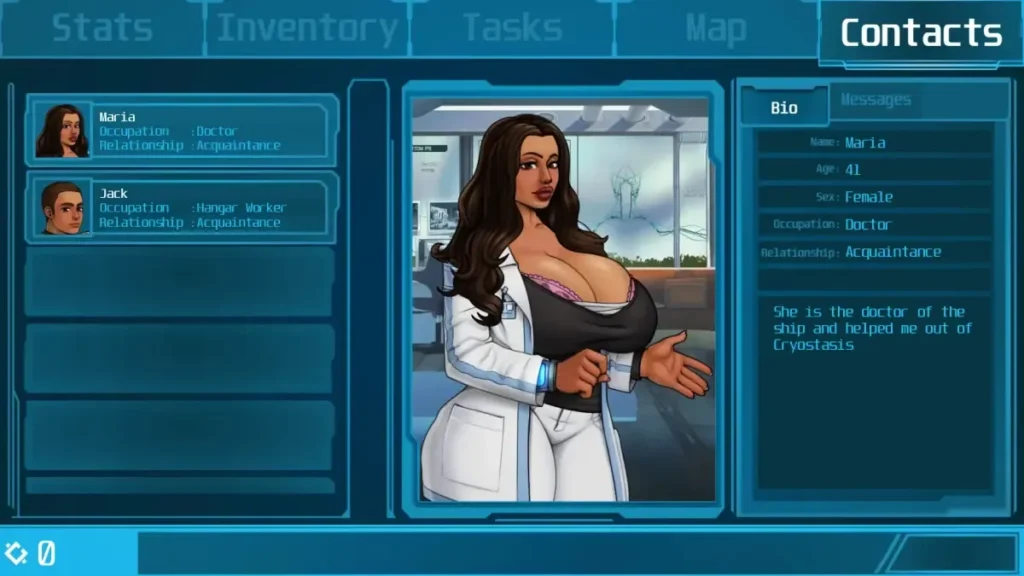
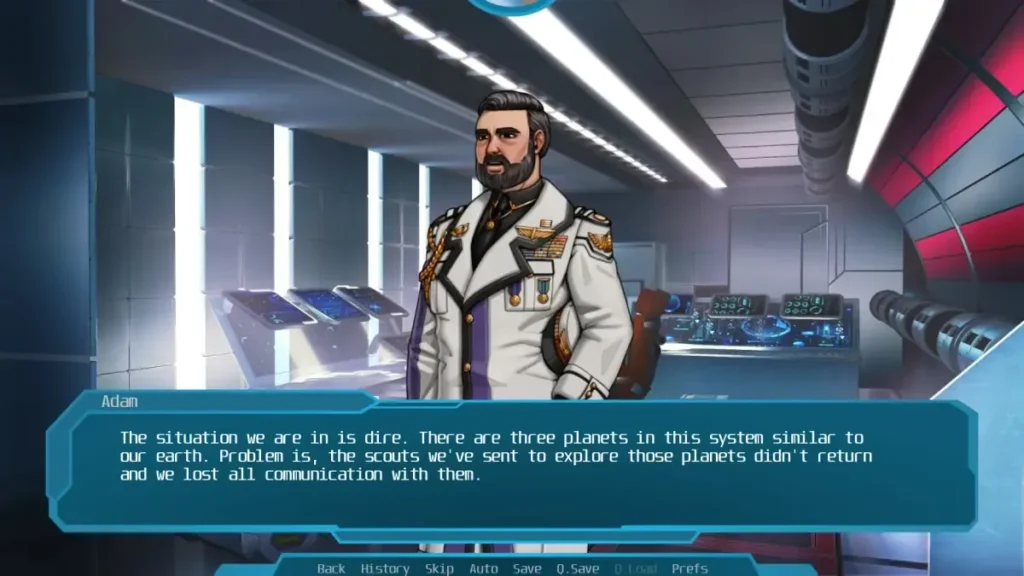
Stellar Dream stands out as an immersive sci-fi visual novel that blends rich storytelling with interactive gameplay mechanics. Players board a colossal colony ship on a desperate mission to save humanity by exploring alien worlds, managing ship resources, and building relationships with over 10 unique characters. Whether you’re navigating the romance or corruption paths, mastering skill trees, or uncovering hidden secrets, understanding the core systems will transform your playthrough. This comprehensive guide covers everything you need to know about Stellar Dream’s gameplay loop, character dynamics, strategic choices, and practical tips to enhance your adventure across the stars.
Core Gameplay Mechanics: Mastering the Stellar Dream Experience
Welcome aboard, Captain. If you’re reading this, you’ve likely taken your first steps onto the weathered deck of the Stardrifter, the screen glowing with the promise of distant stars and forgotten memories. 🚀 Stellar Dream isn’t just a game you play; it’s an experience you navigate, a life you rebuild from cosmic dust. As someone who’s restarted their save more times than I’d like to admit (curse my curiosity!), I’m here to guide you through the intricate dance of its core systems. The magic of this journey lies in mastering the delicate balance between your heart and your spreadsheet—between the deeply personal narrative choice system and the sharp, strategic demands of resource management.
Think of yourself as the architect of a new destiny. Every dialogue choice, every mineral scanned, and every skill point invested is a brick in the foundation of your unique story. This chapter will break down the fundamental Stellar Dream gameplay mechanics, giving you the tools to not just survive, but thrive among the stars. We’ll delve into your visual novel skill trees, share essential Stellar Dream scanner tips, and lay out a robust resource management strategy. By the end, you’ll be ready to command your ship, explore alien vistas, and face the echoes of your past with confidence. Let’s power up the engines.
Understanding the Narrative Choice System
From the moment you wake up with only a name and a ship’s manifest, your every word carries weight. The narrative choice system in Stellar Dream is the soul of the experience, a beautifully complex web of consequences that reacts to your personality, your relationships, and your morals. This isn’t about picking “good” or “evil” responses from a list. It’s about defining who your amnesiac captain becomes through nuance, empathy, and sometimes, calculated ruthlessness. 🧠
During my first playthrough, I played it safe—friendly, diplomatic, always aiming to please my crew. It felt… fine. But on my second run, I decided my captain was weary, cynical, and fiercely pragmatic. The difference was staggering. Characters who once opened up to me now regarded me with cold suspicion. Quest solutions I never knew existed became available, often involving less-than-honorable shortcuts. The game doesn’t judge your path; it faithfully reflects it. The central tension here is that these narrative choices are often directly tied to your resource management strategy. Offering aid to a stranded alien might cost precious ship parts, but unlock a loyal ally. Ignoring their distress saves resources but could close off an entire story branch—and haunt you later.
Your journey will subtly push you toward two major philosophical arcs: the Romance Path and the Corruption Path. These aren’t simple binary switches you flip, but emergent themes based on hundreds of small decisions.
- The Romance Path is about connection. It’s investing time (a key resource!) in your crew’s personal quests, choosing empathetic dialogue, and using resources to help others. This path strengthens your crew’s morale, unlocking powerful synergy bonuses on the ship and opening peaceful resolutions.
- The Corruption Path is about control. It prioritizes the acquisition of power and resources, often through intimidation, deception, or selfishness. It might mean hoarding artifacts for your own gain or making cold, logical choices that sacrifice relationships for tactical advantage. This path can unlock unique, high-risk/high-reward technologies and dominate encounters through fear.
The brilliance is that most players will find themselves somewhere in the middle, crafting a truly unique protagonist. To help you visualize the stark differences, here’s how these paths manifest across key gameplay pillars:
| Aspect | Romance Path Focus | Corruption Path Focus |
|---|---|---|
| Dialogue Choices | Empathetic, Cooperative, Inquisitive. Seeks understanding and alliance. | Authoritative, Deceptive, Pragmatic. Seeks advantage and information control. |
| Character Quests | Prioritized. Completing them builds Trust, unlocking unique crew abilities and narrative endings. | Often sidelined or completed for personal gain. Builds Obedience or Fear, unlocking efficient but ruthless crew commands. |
| Resource Allocation | Spent on aiding others, ship comforts, and diplomatic gifts. “Investing in people.” | Hoarded for personal/ship upgrades, traded for power, used in coercive bargains. “Investing in power.” |
| Ultimate Outcomes | A united crew facing the future together, with endings focused on community and rebuilt legacy. | A solitary captain commanding respect through strength, with endings focused on personal dominion and uncovered truths at any cost. |
🎯 Personal Insight: Don’t reload a save the second a choice “goes wrong.” Some of my most memorable and impactful story moments came from unintended consequences I decided to roll with. The game’s narrative is robust enough to weave your “mistakes” into a compelling, personal tale.
Resource Management and Skill Development
If the narrative is the soul, then your Stardrifter ship management and visual novel skill trees are the beating heart and the sharp mind of your operation. 🌌 This is where the tactile feel of a strategy game merges seamlessly with the character growth of a visual novel. You are not just watching a story unfold; you are actively managing the tiny, fragile ecosystem that allows it to continue.
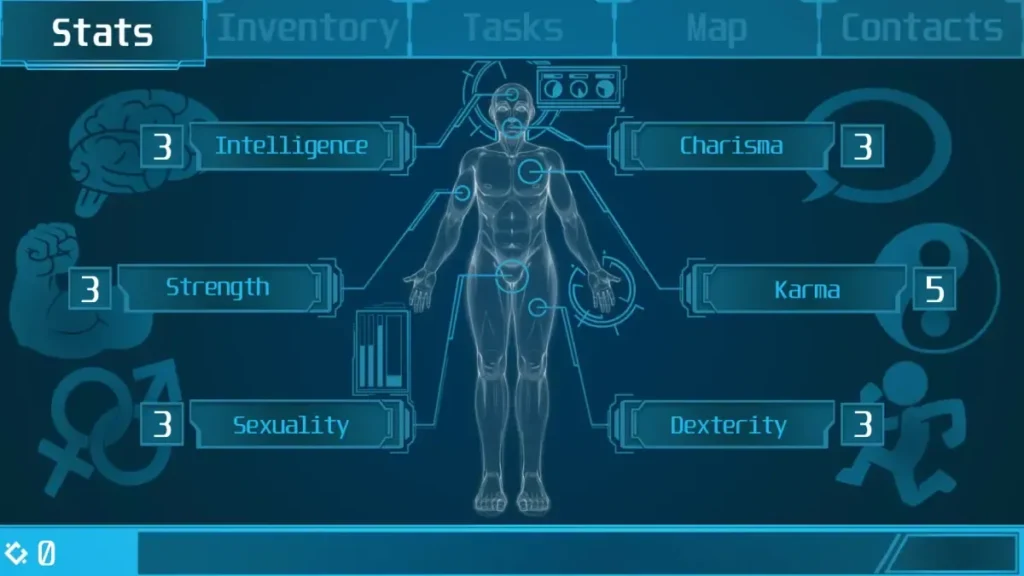
Your ship, the Stardrifter, is your mobile home, laboratory, and command center. Every system matters. Let’s break down the core loop: You explore a planet (gathering resources and story), return to your ship (to manage, craft, and upgrade), then use those enhancements to explore further and delve deeper into the narrative. The three primary visual novel skill trees—Intellect, Empathy, and Resolve—are the lenses through which you interact with every part of this loop. They are not just for passing skill checks; they fundamentally alter your resource management strategy and capabilities.
Intellect is your scientific and technical prowess. Investing here allows your scanner to reveal rarer materials, lets you repair advanced ship systems with fewer parts, and unlocks dialogue options to analyze situations logically. A high-Intellect captain can turn a pile of common ore into a rare composite, effectively creating resources from nothing.
Empathy is your social and perceptual skill. It helps you sense hidden emotional undercurrents in conversations, calm frightened creatures (saving on ammo), and persuade others to offer better trades or assistance. A high-Empathy captain might get a crucial ship part for free from a grateful contact, bypassing a costly resource grind.
Resolve is your physical and mental fortitude. It increases your health, lets you force open sealed hatches or damaged containers (yielding resources), and provides steely dialogue options to intimidate or endure hardship. A high-Resolve captain can take shortcuts through hazardous environments, accessing areas others can’t and saving time—a precious resource in itself.
The genius of these trees is their synergy with Stardrifter ship management. Upgrading your Medical Bay might reduce the resource cost of healing, which supports a Resolve-focused playstyle. Enhancing your Diplomatic Quarters could provide more opportunities for Empathy checks during ship-board conversations. Your resource management strategy must feed back into your chosen skills, and vice-versa. My “Engineer” playthrough focused on Intellect; I poured every spare crystal into upgrading my Workshop first, which then made all subsequent upgrades cheaper, creating a powerful snowball effect.
⚙️ Case Study: On the icy world of Khar’nu, I faced a broken bridge. A Resolve check could let me jump the treacherous gap (risking injury and medical resources). An Intellect check could let me rig a repair with local materials (costing scanner energy and common parts). An Empathy check revealed a nearby native creature that, if calmed, would carry me across for a small food offering. My choice was dictated by which resources I could spare and which skill I was specializing in.
Exploration and Scanner Mechanics
This is where your journey becomes tangible. Each planet in your alien world exploration guide is a hand-crafted puzzle box, filled with resources, stories, and secrets about who you were. The single most important tool in your arsenal—and the one most players underuse initially—is your scanner. My number one piece of advice? Scan everything, twice. 🔍
Your scanner does more than just ping for resource nodes. It is your primary tool for alien world exploration. When you first land, do a broad, slow pan across the entire landscape. Look for three distinct ping types:
1. Green/Yellow Pings: Common and uncommon resources. These are your bread and butter for ship fuel, basic repairs, and crafting.
2. Blue Pings: Data fragments, audio logs, and environmental clues. These are non-negotiable. They are the primary way you piece together your past and the lore of the universe. Missing these is like skipping pages in a novel.
3. Red/Purple Pings: Hidden points of interest, rare artifacts, or major story beats. These often require a higher scanner level or a specific skill check to access, and they hold the best rewards.
Practical Stellar Dream scanner tips include scanning from multiple angles. A cliff face might hide a cave entrance only visible from below. A strange rock formation might reveal a secret symbol when scanned from the east at dusk. The scanner also reveals the “emotional residue” or history of a place through its narrative choice system integration. Scanning a derelict campsite might trigger a flashback dialogue option, giving you unique insight in a future conversation.
Exploration is a constant risk-reward calculation tied directly to your resource management strategy. Venturing far from your ship uses life support energy. Investigating a hazardous area might cost repair kits or medical supplies. The reward? Perhaps a cache of advanced parts that lets you bypass three hours of grinding. Your Stardrifter is your lifeline; always monitor your fuel, oxygen, and hull integrity before a long trek. I learned this the hard way when, flush with overconfidence, I drained my life support to reach a shiny red ping, only to face a frantic, resource-burning sprint back to my ship with 2% integrity remaining.
To wrap this core loop together, here are the actionable habits that transformed my gameplay:
- Scanner First, Boots Second: Never just run off. Spend the first 2-3 minutes doing a full, stationary scan sweep.
- The Rule of Three Saves: Maintain three rotating manual saves. One before landing on a new planet, one after a major resource haul, and one before a big story decision. This protects you from bugs, regrets, and exploration disasters.
- Skills Dictate Route: When exploring, look for opportunities that match your highest skill. An Empathy build should seek out life signs, while an Intellect build should prioritize ancient tech ruins.
- The 70% Rule: You rarely need to fully clear a planet on your first visit. Gather 70% of the obvious resources, hit the major story beats, and leave. You can often return later with better upgrades to get the rest more efficiently.
- Talk to Your Ship: After every major planetfall, walk through every module of the Stardrifter. Crew members will have new dialogue, and your ship’s AI will often flag resource shortages or new research options based on what you’ve scanned.
Mastering the Stellar Dream gameplay mechanics is about understanding that every action is connected. The resource you mine today enables the ship upgrade that unlocks the skill check that reveals the dialogue option that changes your relationship and alters your ending. It’s a magnificent, interconnected machine. By balancing the heartfelt pull of the narrative choice system with the disciplined logic of your resource management strategy, and by using your scanner as the key to both wealth and truth, you’ll stop merely playing a story. You’ll be living it, breath by breath, among the endless stars.
Stellar Dream delivers a compelling sci-fi adventure that rewards both strategic thinking and emotional investment in character relationships. By mastering the core gameplay mechanics, understanding how romance and corruption paths diverge, and optimizing your stat allocation, you’ll unlock the full potential of this immersive visual novel. The game’s strength lies in its branching narratives and consequence-driven choices that make each playthrough feel genuinely unique. Whether you’re drawn to building meaningful connections or exploring darker paths to power, the combination of cinematic visuals, deep character dynamics, and meaningful choices creates an experience that stands apart in the visual novel genre. Start your journey with a clear vision of your desired path, save frequently to explore alternatives, and don’t hesitate to replay to discover the hidden depths this game offers.