
Summer’s Gone
Play Summer’s Gone
Summer’s Gone Screenshots












Summer’s Gone review
Explore the acclaimed interactive narrative experience with deep character development and meaningful choices
Summer’s Gone stands out as a critically acclaimed interactive visual novel that prioritizes storytelling and character development over traditional adult game conventions. Created by Ocean, this narrative-driven experience follows a young man navigating college life while confronting past trauma and building meaningful relationships. The game has garnered significant attention for its slow-burn romance approach, complex characters with unique personalities, and thoughtful exploration of mental health themes. Whether you’re new to visual novels or a seasoned fan, understanding what makes Summer’s Gone distinctive can help you decide if this emotional journey is right for you.
What Is Summer’s Gone? Understanding the Game’s Core Appeal
Ever find yourself scrolling through endless game libraries, feeling like everything is just… more of the same? Another shooter, another battle royale, another fantasy RPG? You’re craving a story that sticks, characters that feel real, and choices that actually matter. If that sounds like you, then pull up a chair, because we need to talk about Summer’s Gone visual novel.
This isn’t just another dating sim or a simple choose-your-own-adventure. Summer’s Gone is an immersive, interactive visual novel game that prioritizes emotional depth and character-driven narrative over quick thrills. It’s a journey that begins in a place of profound loss and slowly, patiently, guides you toward the possibility of light. Forget everything you think you know about the genre—this game is here to rewrite the rules. Let’s dive in and discover the core appeal of this unforgettable experience.
The Story Foundation: Trauma, College, and New Beginnings 🏙️💔
Imagine waking up every day with a hole in your chest where your heart used to be. The colors of the world are muted, sounds are distant, and the most basic tasks feel like climbing a mountain. This is the reality for the protagonist of the Summer’s Gone story. We meet him as a shell of a person, hollowed out by a traumatic event that has stripped him of his past, his passions, and a girl named Summer. He’s not your typical, charismatic visual novel lead; he’s battling severe depression, social anxiety, and a deep-seated aversion to touch and connection.
His life is upended when his aunt, a professor, secures him a place at a local college. This isn’t presented as a magical fix, but as a reluctant, fragile new beginning. The college campus of Summer’s Gone becomes more than just a setting; it’s a character in itself—a sprawling, bustling world filled with cliques, rivalries, and hidden histories. Here, our protagonist is forced to navigate lectures, social gatherings, and a cast of complex individuals, all while carrying the immense weight of his past.
The narrative masterfully weaves this personal struggle with unfolding mysteries. What exactly happened to Summer? Why does our hero react so strongly to certain people or places? The Summer’s Gone gameplay mechanics are built around exploring these questions. You’ll guide him through his daily routine, making choices in conversations that range from defensive and cold to cautiously open. Each interaction is a step on a tightrope, balancing his need for self-preservation with the human instinct to connect.
This foundation of trauma recovery is handled with a rare sensitivity. The game doesn’t use mental health as a cheap plot device; it treats it as the central, defining reality of the protagonist’s existence. His progress isn’t linear. He has good days and bad days, moments of retreat and flashes of courage. This creates a powerful sense of authenticity that hooks you from the start. You’re not just playing a story; you’re shepherding a broken person through the arduous, non-linear path of healing.
“My goal is to create a story about hope, love, and healing,” says Ocean, the game’s developer. “It’s about finding the strength to move forward, even when you feel you have nothing left. The romance is a part of that journey, not the destination itself.”
Why Summer’s Gone Differs From Traditional Visual Novels ✨🚫
If you’ve dabbled in visual novels before, you likely have certain expectations. Summer’s Gone confidently subverts almost all of them. This is a character-driven narrative game in the truest sense, where the plot serves the characters, not the other way around. Let’s break down what sets it apart.
First, and most notably, is the complete absence of explicit content in the currently released chapters. In a genre often saturated with adult material as a primary draw, Summer’s Gone boldly declares that intimacy is emotional first, physical second—or even third. This is a slow burn romance visual novel where relationships are built through shared vulnerability, whispered secrets in library corners, and quiet support during moments of crisis. A simple touch on the shoulder can feel like a seismic event because of the emotional context behind it. The tension comes from will they connect? not when will they hook up?
Secondly, the game’s pacing is deliberately measured. This isn’t a whirlwind romance. Season 1 serves as a extensive prologue, dedicating time to worldbuilding and establishing the intricate social dynamics of the college. You learn about the various friend groups, like the sporty and popular Wolves, the artistic and mysterious Theatre Club, and the studious Library group. This investment pays off massively, as every character interaction feels layered with unspoken history and social nuance.
The interactive visual novel game elements shine in how they handle serious themes. This is a visual novel with mental health themes woven into its very fabric. Beyond the protagonist’s own struggle, the narrative explores:
* Loss and Grief: How different characters process absence and change.
* Insecurity and Identity: The pressure to fit in and the fear of being truly seen.
* Living with Disability: Characters navigate physical challenges with resilience.
* Societal Expectations: The clash between personal desires and family or social pressures.
Your choices directly influence how these themes play out. A kind word to a character feeling isolated can alter their entire subplot. A dismissive comment can shut down a potential friendship for chapters to come. The Summer’s Gone gameplay mechanics ensure you are an active participant in this world’s emotional ecosystem.
To see how it stacks up, let’s look at a quick comparison:
| Feature | Traditional Visual Novel | Summer’s Gone |
|---|---|---|
| Primary Focus | Romantic conquest, often plot-driven. | Emotional healing and character development. |
| Pacing | Faster, goal-oriented (reach a specific route). | Deliberate, atmospheric, a true slow burn. |
| Character Depth | Often archetypal (tsundere, genki, etc.). | Psychologically complex, with flawed, evolving personalities. |
| Player Choice Impact | Often leads to distinct, separate story routes. | Shapes character personality and relationship dynamics in a unified narrative. |
| Thematic Core | Love, comedy, fantasy, or drama. | Trauma recovery, mental health, and authentic connection. |
This approach creates an unparalleled emotional resonance. You don’t just pick a “best girl”; you form a deep, empathetic bond with characters because you’ve witnessed their struggles and celebrated their small victories alongside them.
The Developer’s Vision: Ocean’s Approach to Interactive Storytelling 🎨🧠
Understanding Summer’s Gone is impossible without understanding the mind behind it. Ocean, the solo developer, is the architect of this deeply personal world. His philosophy is the engine that drives every aspect of the game, from its stunning, cinematic renders to its painstakingly crafted dialogue.
Ocean’s vision is fundamentally anti-formulaic. He rejects the standard visual novel template of quickly introducing a harem of love interests for the player to pursue. Instead, he is building a world first. Each character, from the main love interests to secondary friends and even rivals, is given a rich backstory, personal motivations, and independent lives that exist outside of the protagonist’s perspective. When you talk to Bella, the fiercely independent and troubled girl with a passion for drifting, you get the sense she has a full life that you are only just stepping into. The same goes for the gentle and compassionate Nami, the ambitious Sasha, or the enigmatic Sonya.
This commitment extends to the interactive visual novel game structure. Ocean has described the narrative as a “branching vine” rather than a tree with isolated routes. Your choices don’t just lead you down a separate, isolated path for one character. Instead, they subtly (or sometimes drastically) alter the protagonist’s own personality and how all characters perceive and interact with him. Choosing to be more open with one person might make you seem warmer to another. Choosing to retreat into cynicism will close doors. This creates a profoundly reactive experience where your playthrough feels uniquely yours.
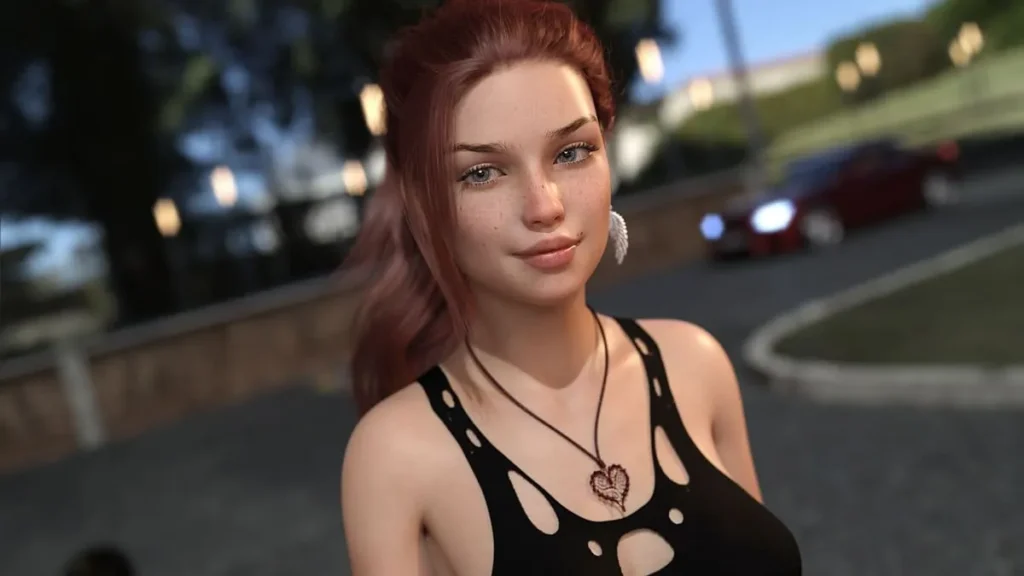
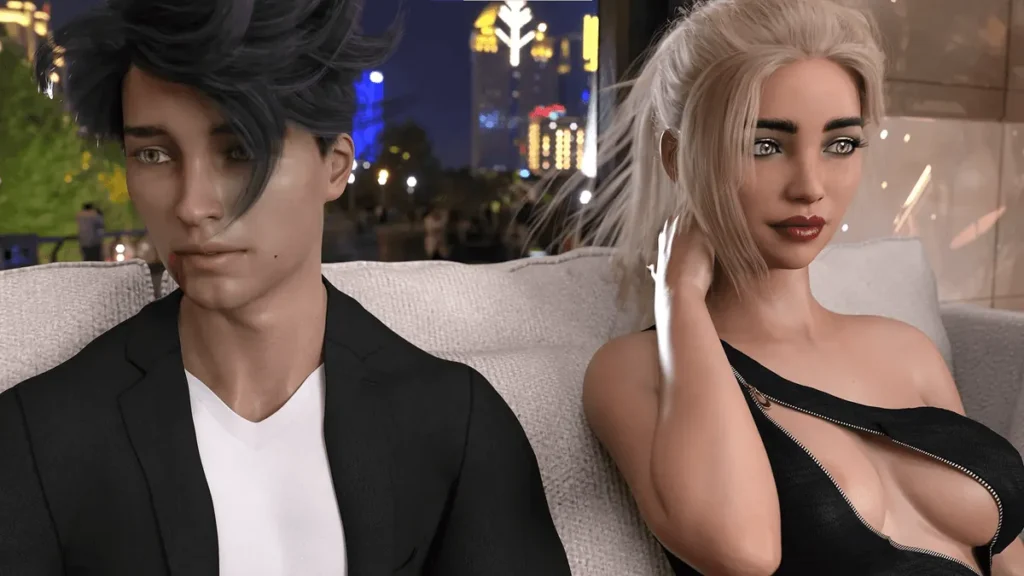
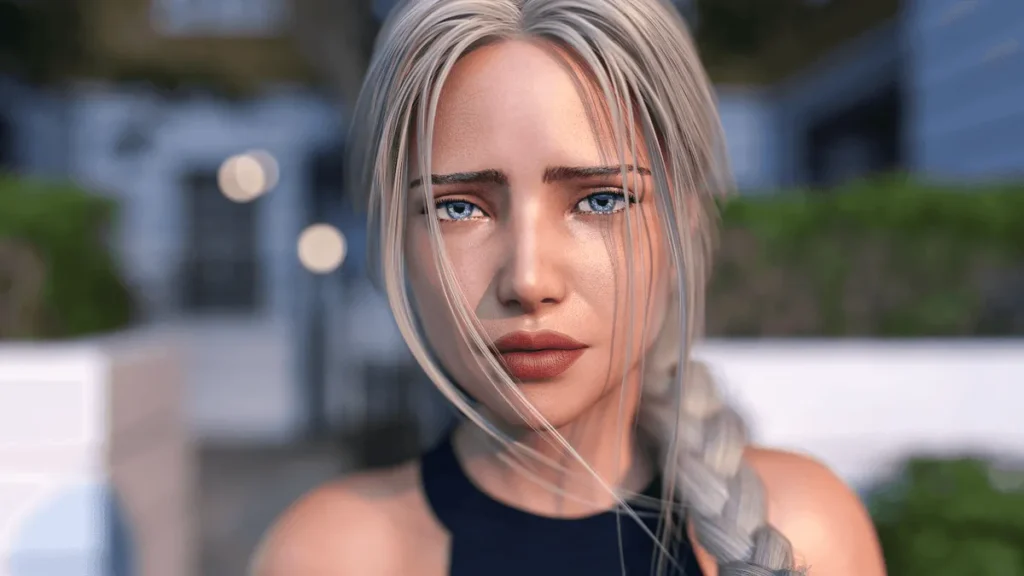
The technical execution of this vision is also noteworthy. Available on platforms like Steam and itch.io, Summer’s Gone is renowned for its exceptionally high-quality visuals. The renders are more akin to stills from a high-budget film than typical game art, with incredible attention to lighting, expression, and environmental detail. The soundtrack is equally curated, setting a perfect melancholic and hopeful tone that pulls you deeper into the atmosphere.
But perhaps the most courageous part of Ocean’s vision is his commitment to the slow burn. He is playing a long game, with Season 1 acting as a massive, foundational introduction. Future seasons are planned to continue this deep, meandering narrative. This requires immense patience and trust from the community, but it’s this very commitment that allows the Summer’s Gone story to achieve its remarkable depth. It’s a story about the journey, not the destination—about the quiet moments of understanding that mean more than any grand confession.
In a gaming landscape often focused on instant gratification, Summer’s Gone is a testament to the power of patience, emotional truth, and artistic integrity. It’s more than a game; it’s an experience in empathy, a character-driven narrative game that asks you to sit with discomfort, cherish small connections, and believe in the slow, beautiful process of putting the pieces back together.
Summer’s Gone represents a meaningful evolution in visual novel storytelling, prioritizing emotional depth and character development over conventional adult game elements. The game’s slow-burn approach, combined with its thoughtful exploration of mental health, trauma recovery, and genuine human connection, creates an experience that resonates with players seeking more from interactive fiction. With its impressive visuals, engaging soundtrack, and branching narrative structure, Summer’s Gone offers substantial replay value as different choices lead to distinct story outcomes and relationship paths. Whether you’re drawn to character-driven narratives, meaningful romance development, or games that tackle serious topics with sensitivity, Summer’s Gone delivers a compelling experience that lingers long after completion. If you value storytelling and character development in your gaming, this visual novel deserves a place on your playlist.