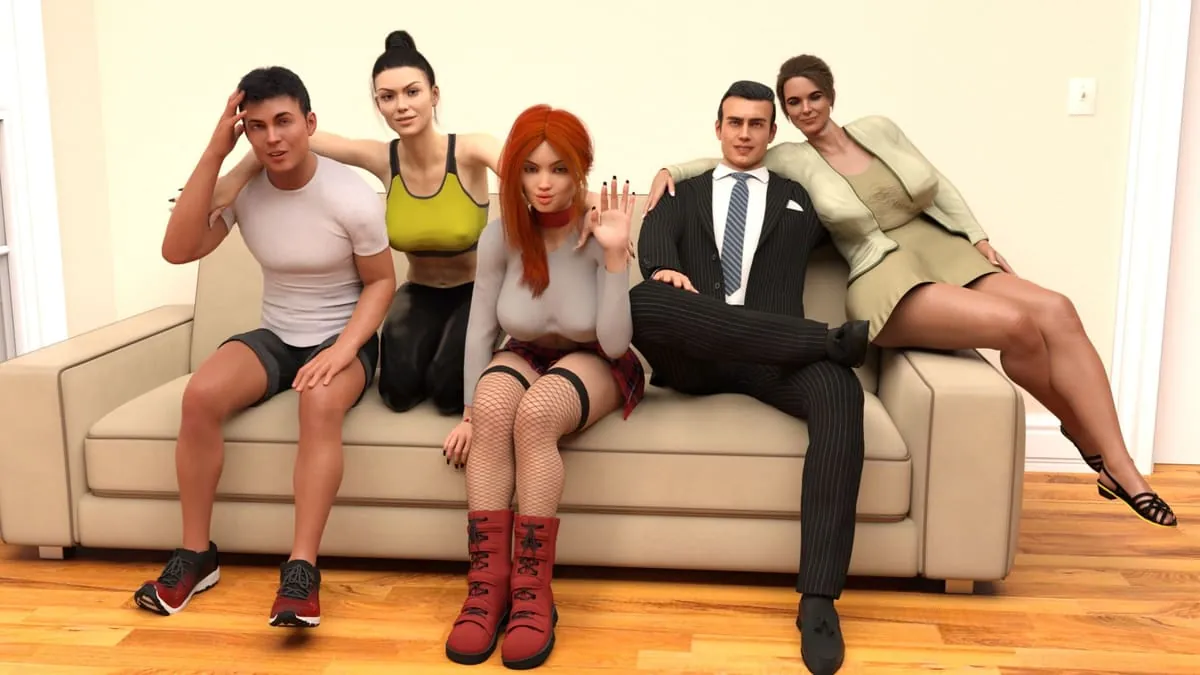
The Theater of Sinners
Play The Theater of Sinners
The Theater of Sinners Screenshots
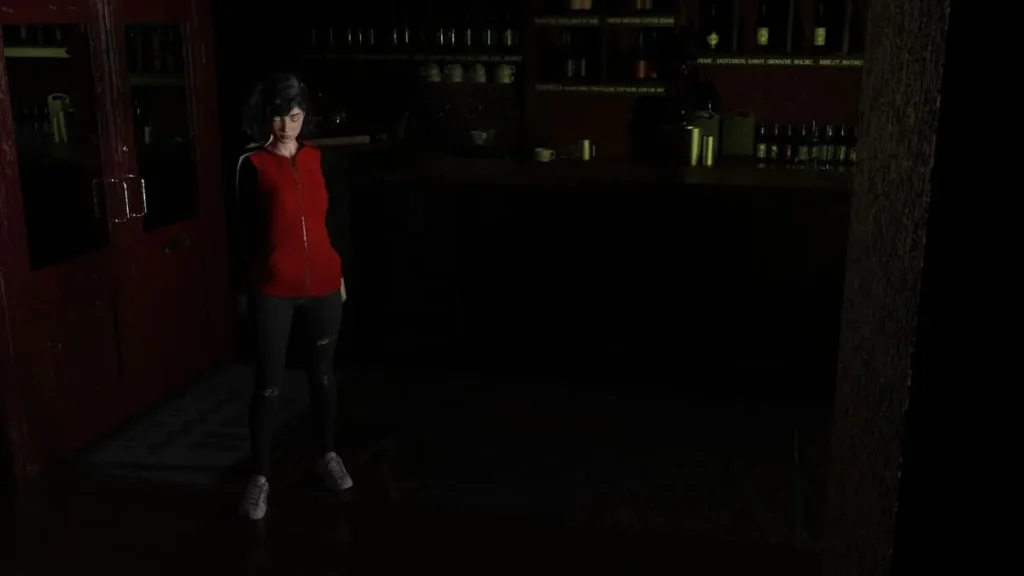
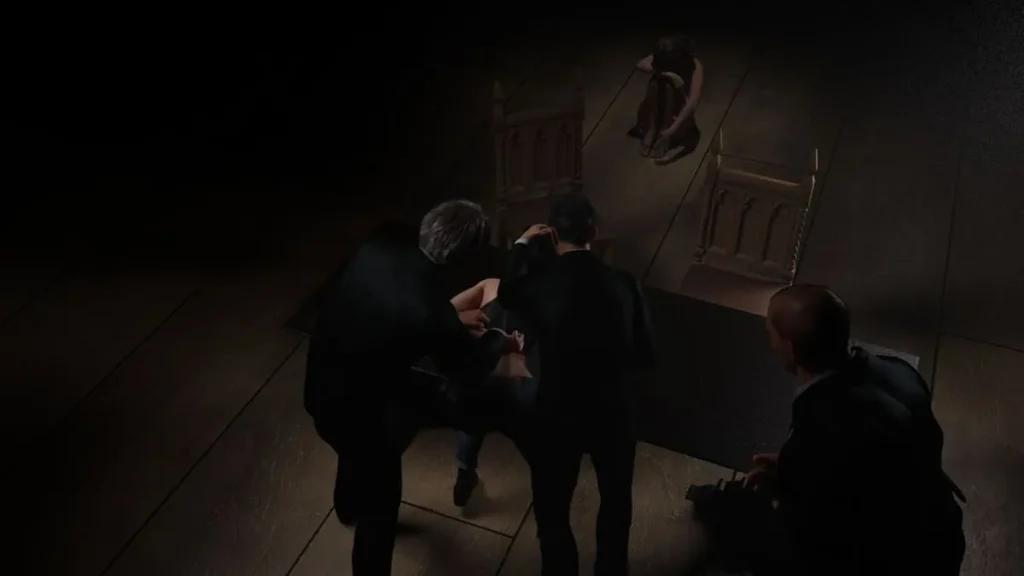
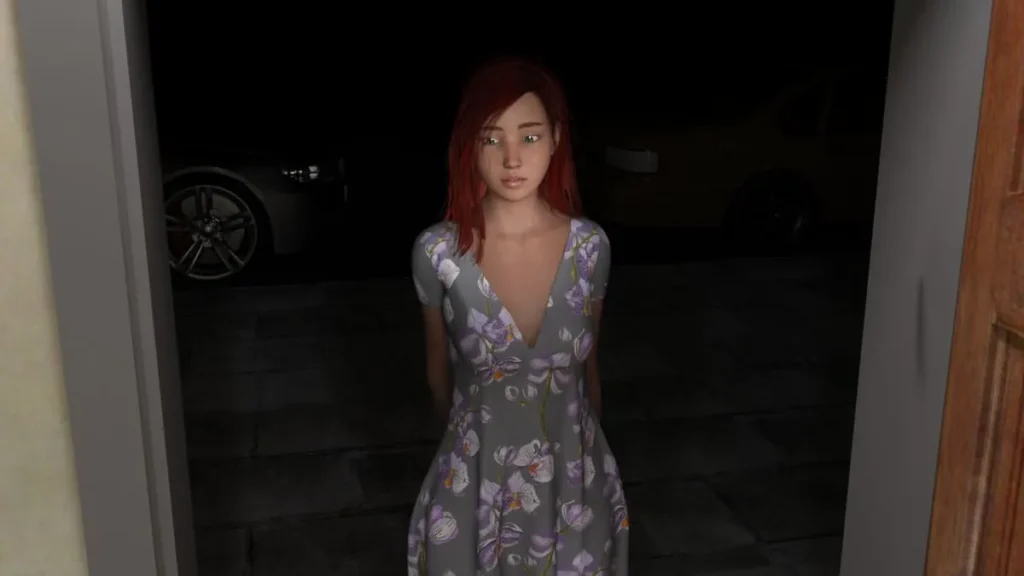
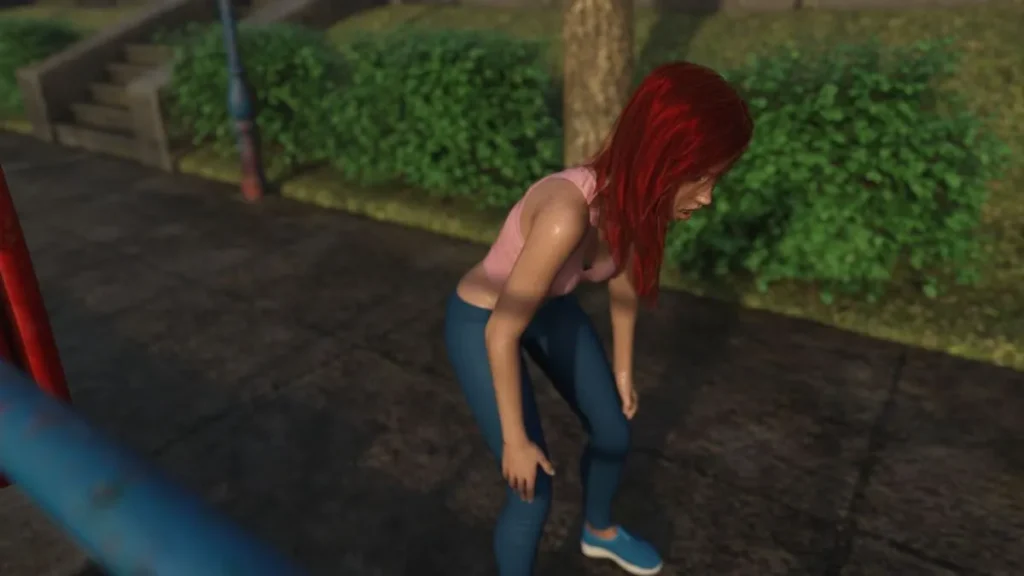
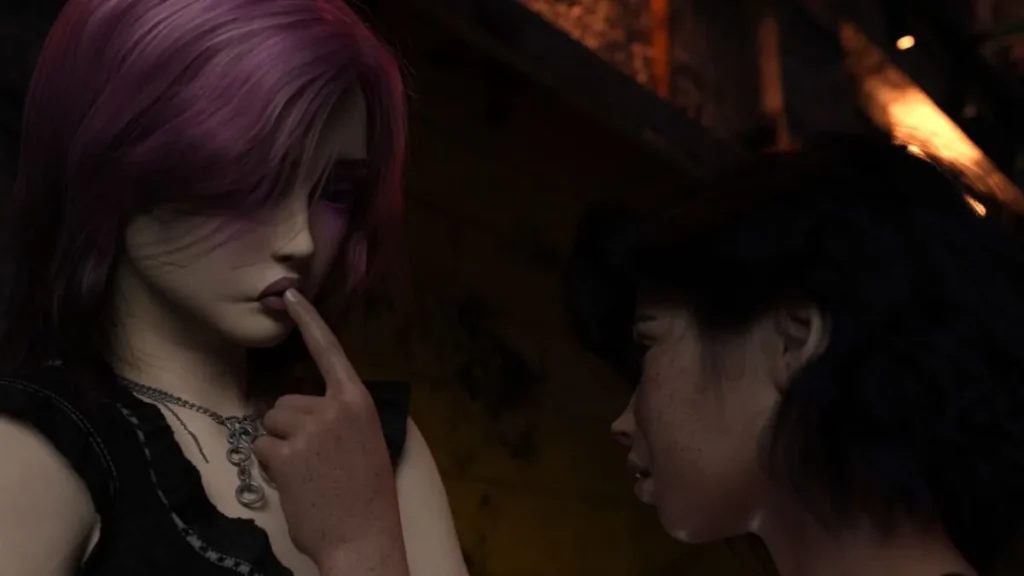
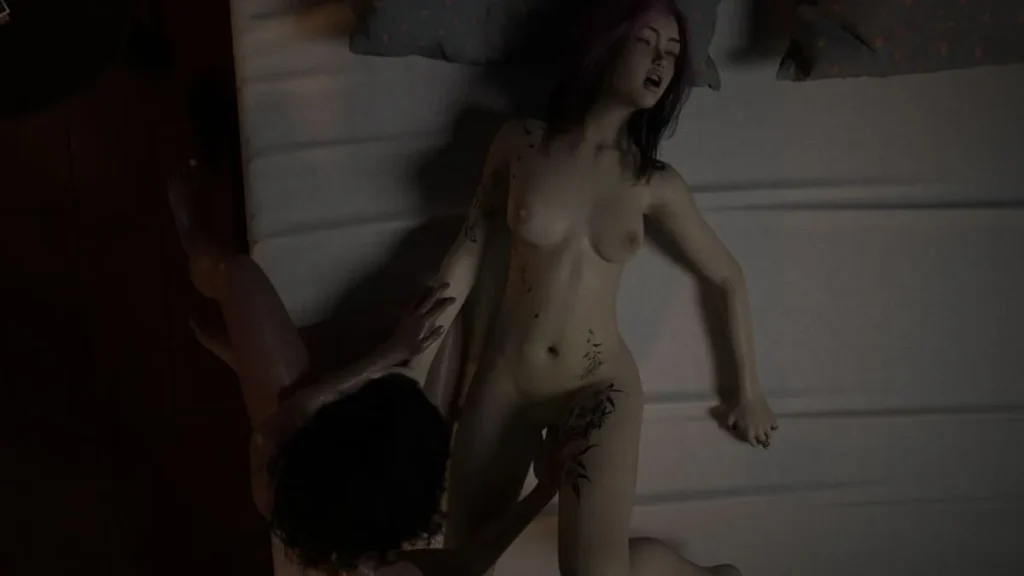
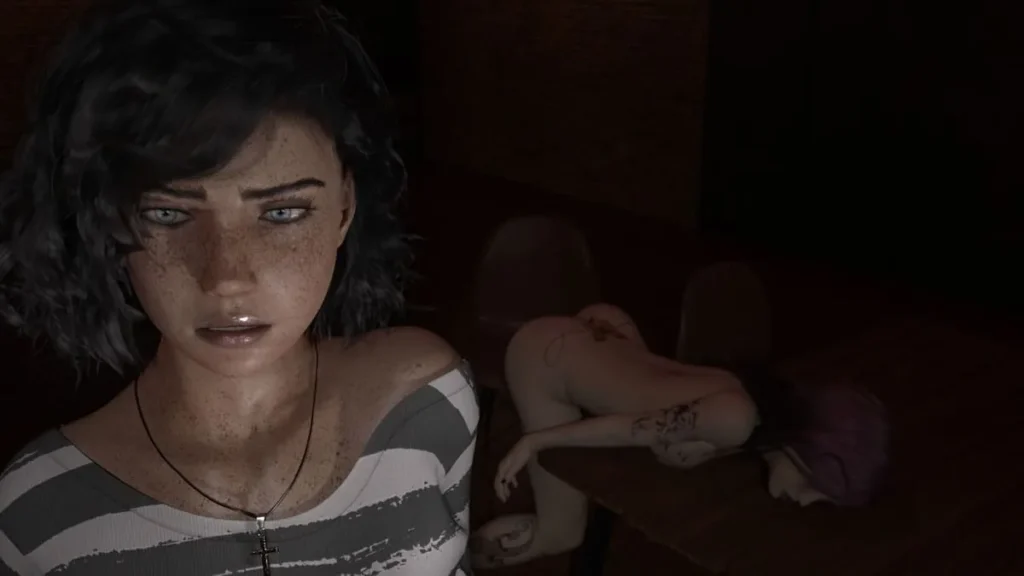


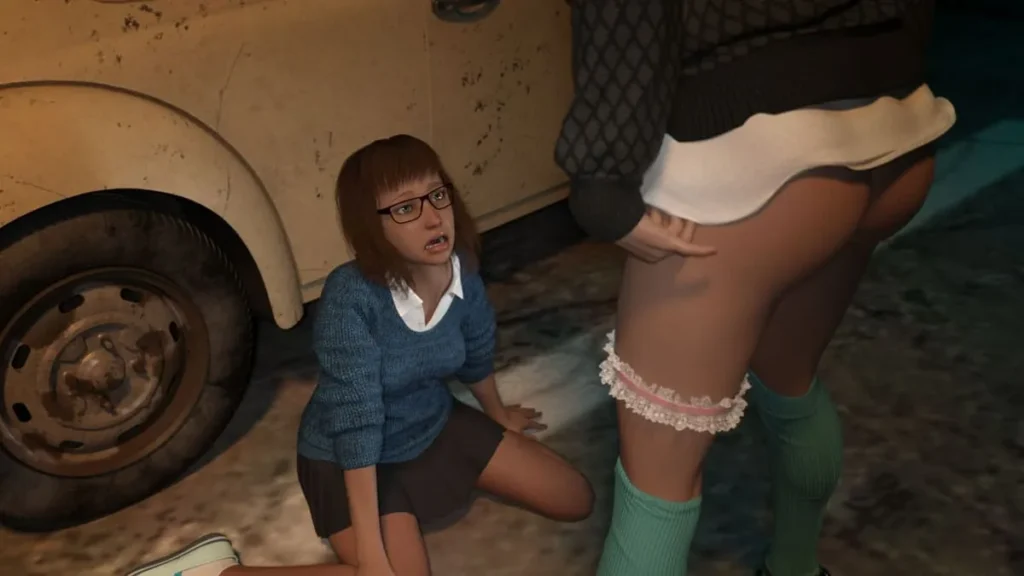
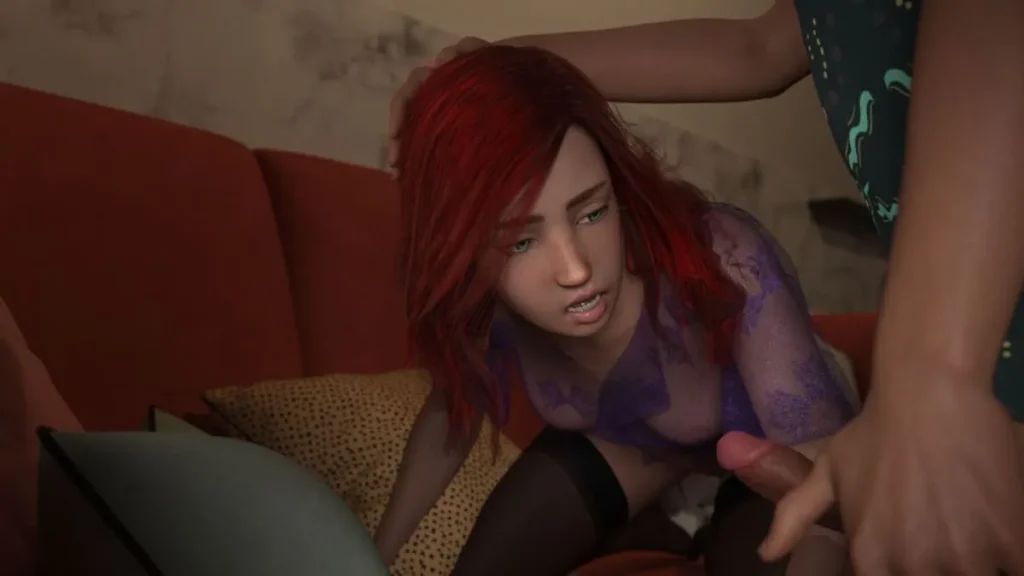
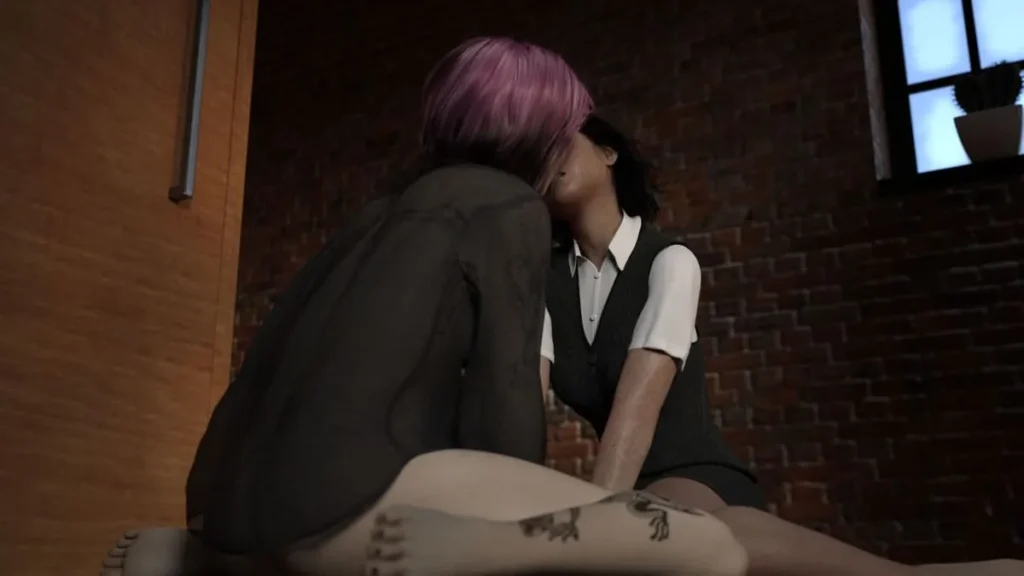
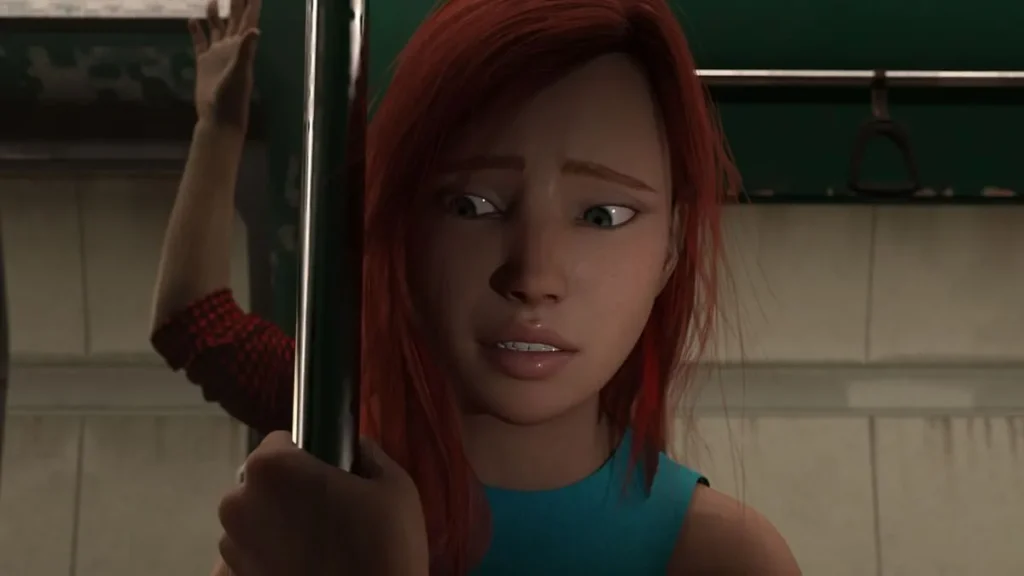
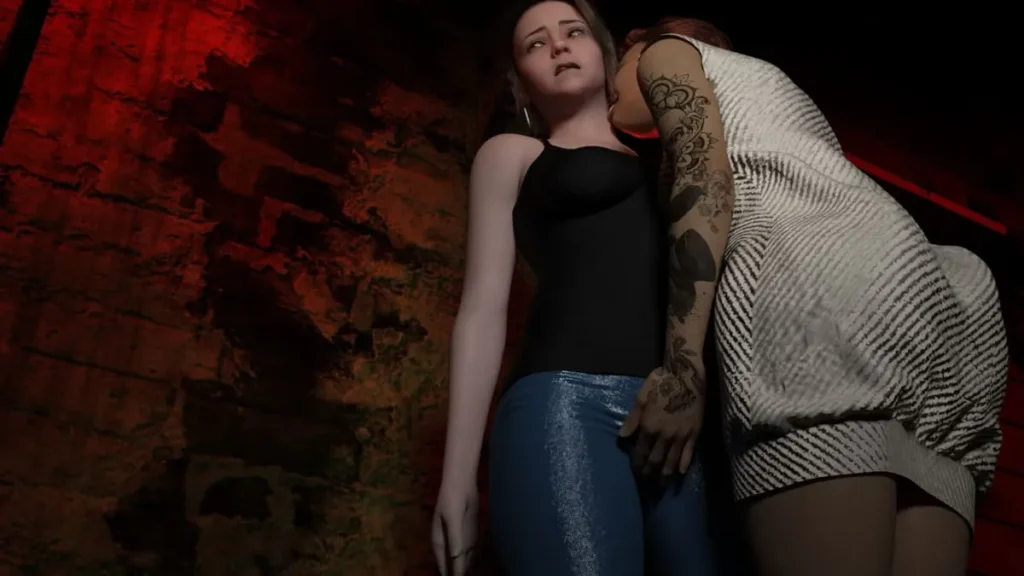

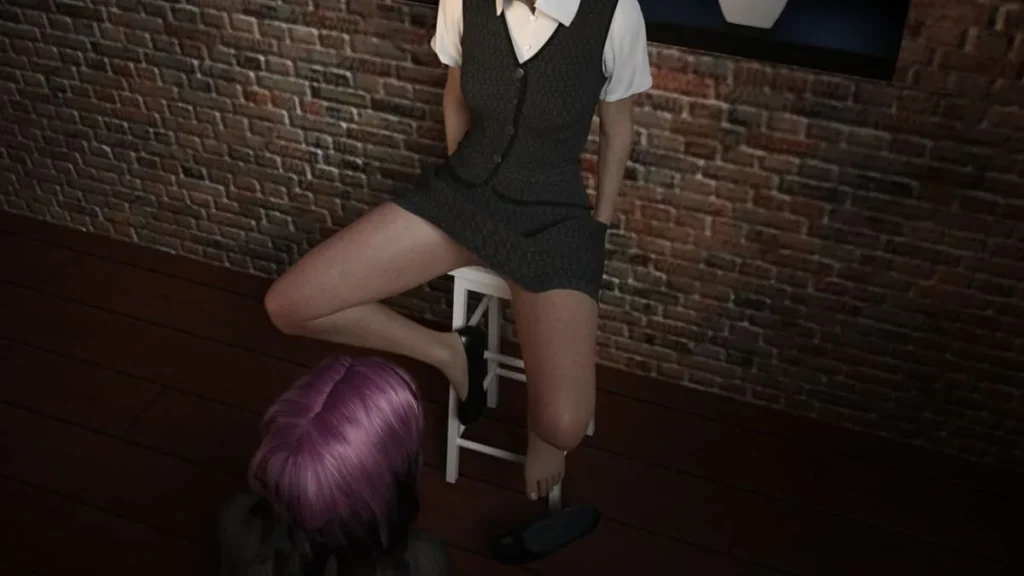
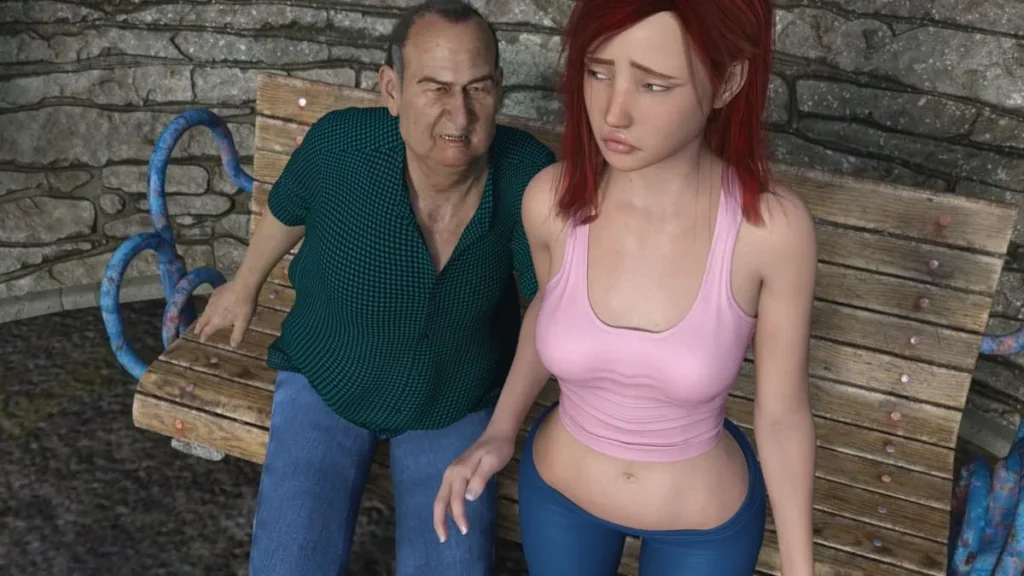
The Theater of Sinners review
Dive into humiliation, corruption, and twisted choices in this gripping Ren’Py game
Imagine stumbling into a shadowy world where every choice drags you deeper into humiliation and corruption—that’s ‘The Theater of Sinners’ in a nutshell. This Ren’Py visual novel by JustXThings hooks you with its psychological horror twist on adult gaming, following Paula and Rebeca as they navigate brutal realities and deviant paths. I first loaded it up late one night, heart racing from the eerie visuals and moral gray areas, and couldn’t stop. If you’re into stories blending scary thrills with intense personal struggles, this game’s for you. Let’s break down what makes ‘The Theater of Sinners’ so addictive, from characters to choices that shape their fates.
What Makes The Theater of Sinners a Must-Play Horror Erotica?
I still remember the first time I booted up The Theater of Sinners. It was late, the house was quiet, and I was just scrolling for something new—a story with some bite. I expected maybe a few edgy choices, some dramatic tension. What I got was a slow, crawling sense of dread that had me pausing the game just to take a breath. This wasn’t just another adult game; it was a psychological horror visual novel that got under my skin and stayed there. The chill didn’t come from jump scares, but from the terrifying realism of its morally gray world game, where every “right” decision feels painfully wrong.
If you’re curious about what is The Theater of Sinners, let me pull back the curtain. At its core, it’s a masterclass in narrative pressure, a humiliation corruption game built in the accessible Ren’Py engine. But to label it just that is a massive disservice. It’s a gripping, interwoven tapestry of broken lives, where your choices don’t just change a scene—they corrode souls. 😨
Unpacking the Core Storyline and Themes
So, what is The Theater of Sinners really about? Imagine a story with no easy heroes. We step into the lives of protagonists like Paula, the privileged daughter of a powerful figure whose world shatters when she’s targeted by ruthless delinquents. Her journey is one of brutal coercion and unsettling transformation, a deep dive into enforced perversion and lost innocence.
Then there’s Rebeca, whose life is a testament to cyclical trauma. Raised by an addict mother and a viciously abusive step-father, she’s a raw nerve of anger and survival instincts. Her story is a haunting look at how the abused can morph into something they once despised, blurring the lines between victim and aggressor until they disappear entirely. 😔
This is the essence of the Theater of Sinners story. It’s not about good versus evil, but about survival in a world where dignity is a luxury and corruption is a currency. The themes are heavy, unflinching, and deeply human: the dynamics of abuse, the complex psychology of sadism and masochism, and the twisted forms love and connection can take within D/s relationships. The Theater of Sinners developer has stated this is a story-first experience, like a dark novel you can influence, with adult elements serving the plot’s brutal honesty, not distracting from it. It’s this commitment to a filler-free narrative that makes every moment count, building both profound depth and a unique, unsettling form of arousal from sheer narrative tension.
Why Player Choices Drive the Twisted Narrative?
This is where The Theater of Sinners Ren’Py framework truly shines. Ren’Py is often used for simpler tales, but here, it becomes an engine for psychological dissection. Your clicks hold terrifying power. This isn’t a “choose your own adventure” with clear good endings; it’s a labyrinth of cause and corrosive effect.
The narrative unfolds non-linearly, with flashbacks peeling away the layers of “why” characters are the way they are. More importantly, you don’t just shape the main characters—you directly mold the personalities and fates of the side characters. A moment of mercy might foster loyalty, while a act of brutality could create a vengeful enemy or a broken follower. The game tracks hidden stats and relationship variables, locking and unlocking branches based on your cumulative moral (or immoral) footprint.
My Tense Moment: I’ll never forget a choice with Rebeca early on. Confronted with a chance to exploit someone weaker, the game presented two options: take ruthless advantage for personal gain, or walk away with nothing. The “good” choice felt naive, sure to get her hurt later. The “bad” choice felt like watching her soul crack in real time. I sat there for five minutes, paralyzed. That’s the power of this humiliation corruption game.
To show how this plays out, let’s look at how different decision paths can branch the Theater of Sinners story in dramatically different directions. The table below contrasts just a few potential outcomes based on your in-game choices:
| Decision Type | Harsh Outcome Path | Less Harsh Outcome Path | Stat Impact |
|---|---|---|---|
| Responding to an insult from a rival | Escalate physically, humiliating them publicly. Creates a dedicated enemy, but instills fear in others. | Deflect with sarcasm or ignore it. Avoids immediate violence but may be seen as weakness, inviting future tests. | Increases “Brutality” / Lowers “Empathy”; or Increases “Cunning” / May lower “Respect” |
| Dealing with a character’s betrayal | Engineer a severe, public punishment that serves as an example. Secures absolute obedience through terror. | Apply a private, consequential punishment focused on restitution. May foster resentful loyalty instead of fear. | Sharp increase “Dominance” & “Fear”; or Moderate increase “Authority” & “Resentment” |
| Intervening in a bullying scene | Join in, taking a lead role to gain favor with the aggressors. Corrupts your character’s self-view rapidly. | Subtly divert the situation or negotiate a stop. Preserves some innocence but may alienate powerful figures. | Major boost “Corruption” & “Social Standing (Dark)”; or Small boost “Guilt” & potential “Isolation” |
| Handling a personal failure or shame | Externalize the pain, blaming and lashing out at a subordinate. Reinforces a cycle of abuse. | Internalize it, leading to self-destructive behavior or a deep depression. Creates vulnerability. | Increases “Cruelty”; or Increases “Despair” / Lowers “Mental Fortitude” |
Realism That Hits Too Close to Home
What ultimately makes this psychological horror visual novel so effective is its terrifying plausibility. The Theater of Sinners developer has woven a world where the horror isn’t supernatural—it’s emotional and societal. The power imbalances, the way trauma warps personality, the seductive, slow burn of corruption when it’s framed as necessity… it all feels possible. That’s far scarier than any monster.
The game’s morally gray world game philosophy means you’re constantly negotiating with yourself. Is preserving a shred of your character’s empathy worth the potential physical cost? Is becoming a monster to survive actually survival, or is it the final loss? This isn’t fantasy escapism; it’s a dark mirror reflecting the worst-case scenarios of power, vulnerability, and choice. 🪞
The depth comes from its pacing. As a Theater of Sinners Ren’Py experience, it leverages the visual novel format perfectly—lingering on a character’s pained expression, the tense silence before a choice, the hauntingly effective prose that describes emotional states. The “adult” elements are never frivolous; they are the battlegrounds where control is lost, power is exerted, and identities are shattered and remade.
So, how do you dive in? The process is refreshingly straightforward, especially for a game of this narrative weight. The Theater of Sinners developer has kept it accessible.
* The game is free. You can find it on platforms like Itch.io.
* Download the ZIP file for the latest version (like 0.3 ALPHA 1, released around 2023).
* Simply extract the files and run the executable. No complex installs.
* My actionable advice? Save often, and don’t be afraid to replay events in a different order. Trying a “harsh” playthrough and then a “resistant” one will unlock vastly different stats and narrative branches, showing you the incredible scope of the Theater of Sinners story.
The Theater of Sinners is a challenging, thought-provoking, and deeply unforgettable experience. It’s a game that demands your emotional engagement and rewards it with a story of shocking depth. If you’re ready to step off the well-lit path of traditional storytelling and into the shadows where real psychological horror thrives, your seat in this theater is waiting. 🎭 Just be prepared for the show to change you.
The Theater of Sinners stands out as a raw, immersive dive into dark desires and moral dilemmas, with Paula and Rebeca’s journeys pulling you into every twisted choice. From the stunning artwork to the branching paths that make each playthrough unique, it’s a game that lingers long after. My own sessions left me rethinking boundaries, hooked on the blend of horror and intensity. If this sounds like your vibe, grab the latest version, fire it up, and let the theater unfold—your decisions await. Share your wildest paths in the comments; I’d love to hear how far you pushed the corruption.