
How I Became the Bodyguard of the Saintess!
Play How I Became the Bodyguard of the Saintess!
How I Became the Bodyguard of the Saintess! Screenshots



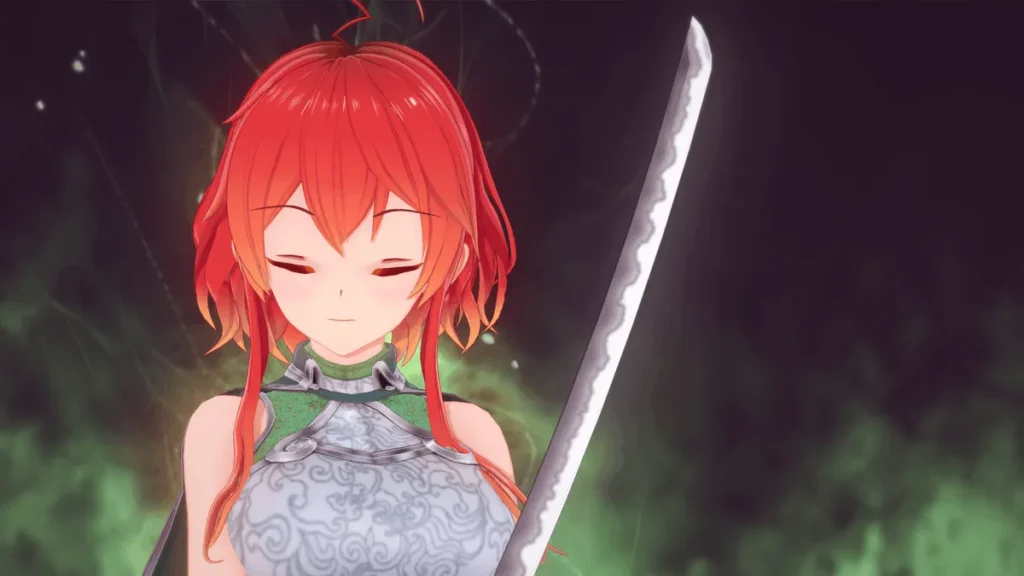




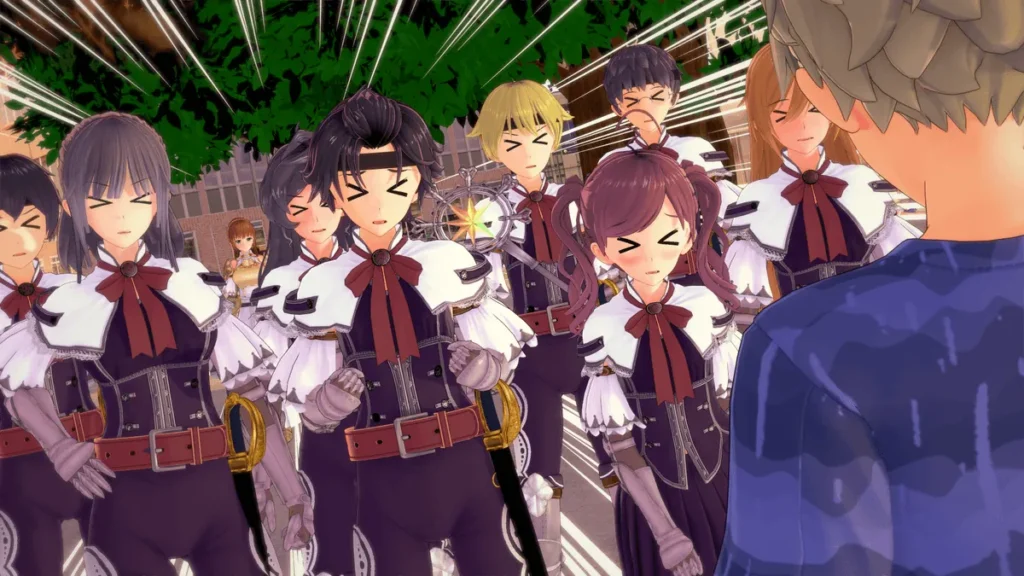
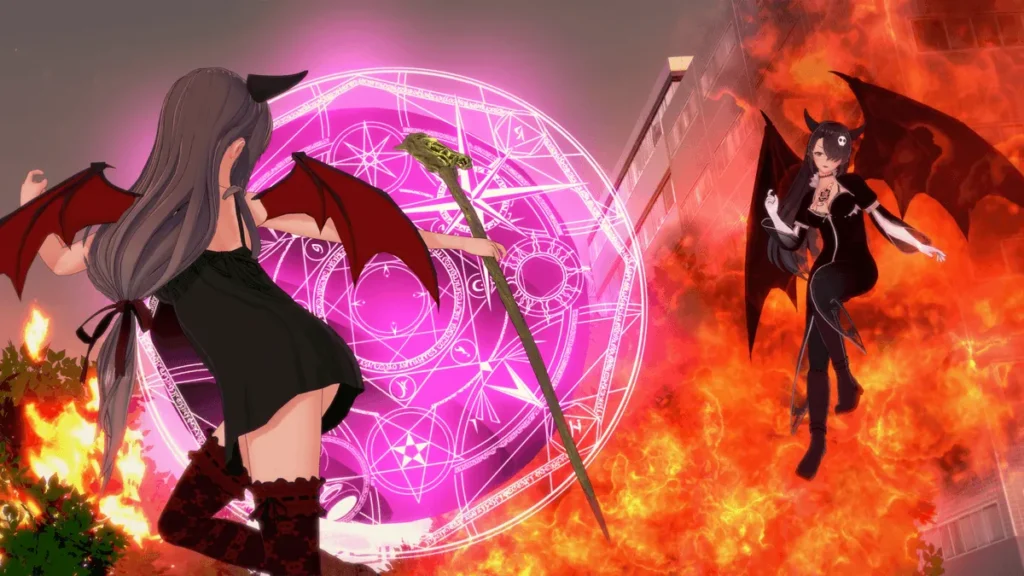
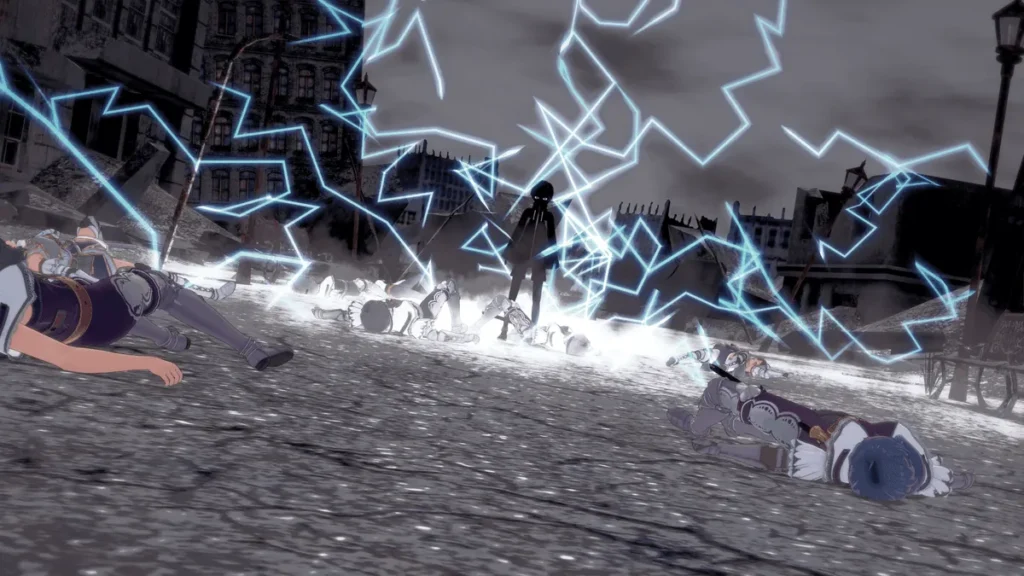

How I Became the Bodyguard of the Saintess! review
Master gameplay mechanics, character relationships, and story progression in this immersive visual novel experience
How I Became the Bodyguard of the Saintess stands out as a captivating visual novel that blends narrative depth with engaging gameplay mechanics. Whether you’re new to the game or looking to optimize your playthrough, understanding the core systems—from character interactions to combat mechanics—is essential for a rewarding experience. This guide covers everything you need to know about progressing through the game, building meaningful relationships with characters, and unlocking all the content this title has to offer. Learn how to navigate story choices, master the game’s unique systems, and discover hidden achievements along the way.
Understanding Core Gameplay Mechanics and Systems
Ever loaded up a game, been immediately swept into an amazing story with cool powers, and then gotten totally stuck because you didn’t quite understand how everything worked? 😅 That was me during my first playthrough of How I Became the Bodyguard of the Saintess! I was so invested in the characters and the drama that I completely fumbled the gameplay mechanics, leading to some… let’s just say suboptimal story outcomes and a few frustrating combat reloads.
But that’s why I’m here! Consider this your personal guide to not just playing, but truly mastering this fantastic visual novel. We’re going to break down everything from throwing a car with your mind to making the right choice at a critical story juncture. By the end of this chapter, you’ll have a firm grasp on the core gameplay systems that make this game so uniquely engaging. Let’s dive in and transform you from a confused newbie into the Saintess’s most capable protector! 🛡️✨
How Combat and Control Systems Work in the Game
At its heart, the combat system guide for this game revolves around one incredible concept: Metal Control. This isn’t just a fancy spell you cast; it’s an extension of your character’s will, and learning to wield it effectively is the key to victory. Think of it like suddenly gaining a new, super-strong limb that you have to learn to coordinate with the rest of your body.
The control scheme is elegantly simple on the surface. You use a primary action to grab metallic objects in the environment—from discarded pipes to enemy armor—and a secondary action to manipulate them. Where the depth comes in is the bionet control restriction. This in-game system represents your character’s neural and physical limits. You can’t just hurl buildings around endlessly; each action drains your bionet stability.
Pro Tip from a Hard Lesson: I once tried to show off by controlling six different blades at once during an early fight. My bionet overloaded, my character froze up for a crucial five seconds, and I got a game over screen. The lesson? Precision over spectacle. It’s often better to expertly control one or two heavy objects than to clumsily juggle a dozen.
Here’s the crucial part of the How I Became the Bodyguard of the Saintess gameplay mechanics: combat is as much about resource management as it is about quick reflexes. Your interface shows a bionet meter. Small manipulations cause a slow drain, but rapid, heavy lifts or complex maneuvers cause spikes. Letting the meter hit zero triggers a system crash (and usually, a lost fight). The strategy lies in pacing your attacks, using the environment smartly, and knowing when to defend to let your bionet cool down.
A practical approach? Start every encounter with a scan. Identify all metal sources: environmental hazards (loose girders, vehicle parts), enemy gear, and your own toolkit. Use small, fast projectiles to stun or distract, then commit your bionet energy for one powerful, fight-ending move. Mastering this ebb and flow is the essence of the combat system guide.
Mastering Character Abilities and Power Progression
Your journey as the bodyguard isn’t static. As the story unfolds, so too do your character abilities and powers. Progression is tied directly to two things: story milestones and relationship levels. You won’t find a generic skill tree here; instead, new techniques and enhanced control are unlocked through key narrative events and by deepening your bond with the Saintess and other allies.
For example, early on, you might only be able to lift and throw objects in a straight line. After a certain story beat where you protect the Saintess in a moment of desperation, you may unlock the ability to curve your projectiles, allowing you to hit enemies behind cover. Similarly, spending time with a tech-savvy ally might unlock the ability to sense metallic objects through walls, a game-changer for planning ambushes.
This is where understanding How I Became the Bodyguard of the Saintess gameplay mechanics becomes vital for planning. If you rush through dialogue and ignore side character interactions, you might miss the triggers for these crucial power-ups. Your combat effectiveness in later chapters is directly tied to the effort you put into the world and its people during earlier ones.
To help you strategize, here’s a breakdown of some core character abilities and powers you will encounter and develop:
| Ability Name | Primary Effect | Control Requirement | Best Used For |
|---|---|---|---|
| Metallic Grasp | Basic lift and throw of medium-sized objects. | Low bionet drain, high precision needed for aimed throws. | General combat, disarming enemies, creating distractions. Your bread and butter. |
| Kinetic Shielding | Forms a barrier of shrapnel to block incoming attacks. | Continuous drain while active. Higher drain for stronger projectiles blocked. | Protecting the Saintess during scripted moments, defending against ranged volleys. |
| Precision Filament | Creates a razor-thin, whip-like strand of controlled metal. | Very high precision control. Moderate drain, but spiking if over-extended. | Disabling machinery at a distance, surgical strikes on enemy weak points, tripwires. |
| Area Resonance Pulse | Emits a wave that violently vibrates all metal in a radius. | Extremely high bionet cost, causes a long cooldown period. | Last-resort crowd control, disabling multiple armored foes instantly. |
| Structural Sense | Highlights all metallic objects in the environment through walls. | Passive ability, no drain. Unlocked via story/relationship. | Planning engagements, finding hidden items or alternate paths, never being ambushed. |
The key to how to master gameplay systems is to view these abilities as a toolkit, not a linear upgrade path. There’s no “best” ability. In a tight corridor, a Kinetic Shield might save your life. In a large warehouse filled with scrap, an Area Resonance Pulse could end the fight before it begins. Always adapt your approach to the environment and enemy types. 🧠⚙️
Navigating Story Choices and Their Consequences
If the combat is the flashy exterior, the story choices and consequences are the beating heart of the experience. This isn’t a game where you just pick “Good” or “Evil” dialogue options. The choices are nuanced, often putting you in morally gray areas as a bodyguard where every decision has a trade-off. Your duty is to protect the Saintess, but how you do that defines your story.
The game uses a hidden relationship and trust system with every major character. A choice that seems pragmatic—like sacrificing a civilian’s safety to ensure a quicker escape for the Saintess—might keep her physically safe but erode her trust in your judgment. Conversely, taking a big risk to help someone might impress an ally, unlocking new support options in future chapters.
Here’s a real case study from my playthrough: In Chapter 4, you’re pursued and have to choose an escape route. One path leads through a dense market (high risk to civilians, faster). The other goes through a fortified but hostile gang territory (risk to you, slower). I chose the market, reasoning speed was key. We escaped, but the Saintess was visibly distressed by the collateral damage. Later, in Chapter 7, when I needed her to trust my lead on a dangerous plan, she hesitated, referencing the “recklessness in the market.” That single early choice had created a story consequence chapters later, forcing me to work harder to regain her full confidence. 😮
These story choices and consequences also directly gate game progression. Certain narrative branches, character backstories, and even combat allies are only available if you’ve made specific choices and built the requisite relationships. Want a certain faction to provide backup during the climax? You’d better have helped their leader in a previous dilemma. This makes every playthrough unique and is central to the gameplay mechanics.
My Golden Rule for Choices: Play the role first, meta-game later. On your first run, don’t try to “game” the system. Make choices that feel right for the character you’re embodying—the loyal, stressed, but capable bodyguard. You’ll experience a more coherent and emotionally resonant story. The perfect, “optimal” run can wait for your second playthrough!
Speaking of game progression tips, here’s a crucial one: Talk to everyone, and re-talk to them after every major story event. Side characters will offer new dialogue, hints about upcoming dangers, and sometimes even small tasks that bolster your resources or relationships. The game’s world reacts to its own events; make sure you’re listening.
Metal Control Ability Tutorial
Let’s get practical. You understand the concept, but how do you do it? This metal control ability tutorial will give you a step-by-step foundation.
-
The Scan (Always Step One): As soon as a conflict starts, pause. Literally, if you need to. Look at the environment. The game provides subtle visual cues—a glint on metal, a slightly different shading. Train your eye to spot potential weapons and shields.
-
Initiating Control: Target a small object first to get a feel for the controls. Feel the initial bionet drain as you “latch” onto it. This drain is constant while you hold it.
-
Manipulation and Throw: Practice moving the object slowly in different directions. Now, try a fast, direct throw at a target. Notice how the bionet drain spikes on the throw release. This spike is what you must manage.
-
Advanced Drills:
- Multi-Hold: Try holding two small objects at once. Feel how the drain increases. Can you throw one while holding the other?
- Shielding: Find multiple small pieces of scrap. Instead of throwing them, practice swirling them around your character to form a basic, rotating shield. Note the continuous, steady drain.
- Environment Use: The biggest game progression tip here is to use large, anchored objects. You can’t throw a lamppost, but can you bend it to block a path? Can you vibrate a bridge’s metal supports to destabilize enemies? Not every use of your power needs to be an attack.
This metal control ability tutorial is about building muscle memory. Spend time in earlier, lower-stakes fights experimenting. It’s better to learn the limits of your power in Chapter 2 than in the final boss battle.
Game Progression Tips
To tie it all together, here are my top game progression tips for a smooth and powerful journey:
- Balance is Everything: Don’t hyper-focus on just combat or just story. The game’s systems are interwoven. A new ability (story) makes combat easier, which unlocks new narrative options.
- Embrace Failure: If a fight goes badly or a choice leads to a scene you don’t like, consider playing it out for a little while. Some of the most interesting story branches come from “failures.” You can always reload if you truly hit a blocker.
- Resource Awareness: Your bionet isn’t your only resource. Pay attention to dialogue options that offer rest, intel, or aid. Sometimes, choosing the dialogue path that gets you a good night’s sleep before a big fight is more valuable than any single combat maneuver.
- The Saintess is Your Priority, But Not Your Only Concern: Her safety is your mission, but her well-being is influenced by the world and people around her. Protecting her spirit sometimes means protecting those she cares about.
Mastering How I Became the Bodyguard of the Saintess! is about understanding that its gameplay mechanics—the combat system, the character abilities, and the story choices—are not separate tracks. They are threads in a single rope. Your power in combat informs the choices you can make, and the choices you make determine the power you have access to. It’s a brilliant, immersive loop. By applying these insights, you’re not just following a story; you’re actively shaping it and becoming the legendary bodyguard you were meant to be. Now go forth—the Saintess is waiting! 🙏⚔️
FAQ: Frequently Asked Questions
Here are answers to some common questions players have about the gameplay mechanics and systems.
| Question | Answer |
|---|---|
| My game freezes at a specific story choice or cutscene. What should I do? | This is a known issue tied to certain save file states. First, ensure your game is updated. The most reliable fix is to load a save from before the previous major story event (e.g., before the chapter started) and play through to the problem point again. Avoid mashing buttons during choice transitions. |
| Why can’t I control certain metal objects, even though they’re highlighted? | This is likely the bionet control restriction in action. Some large or complex objects (like active enemy mechs) exceed your current control capacity. You may need a story-based power upgrade to manipulate them. Alternatively, you might be attempting control while your bionet meter is already too low. |
| I feel like I missed an ability upgrade. Can I go back? | Without loading an older save, no. Character abilities and powers are unlocked at specific narrative moments. If you skip dialogue or rush through a scene where a character tries to teach you something, you may miss the trigger. This encourages careful, engaged play and multiple playthroughs. |
| How do I know if a story choice is “important”? | The game rarely uses obvious “THIS CHOICE MATTERS” cues. As a rule, any choice that involves: a) the direct safety of the Saintess, b) a moral dilemma involving allies or civilians, or c) a strategic plan for a mission, will have significant consequences. When in doubt, save your game before proceeding. |
| What’s the single best piece of advice for mastering the combat? | Patience and positioning. You are not a traditional tank. Use your environment for cover, control the battlefield by moving key metal objects into advantageous positions before engaging fully, and never let your bionet meter drop below 25%. Treat that last quarter as your emergency reserve for a defensive shield or a final, decisive strike. |
How I Became the Bodyguard of the Saintess offers a rich experience that rewards both strategic thinking and emotional investment in character relationships. By mastering the combat mechanics, understanding how your choices ripple through the story, and carefully cultivating relationships with key characters, you’ll unlock the full potential of what this game has to offer. Whether you’re pursuing specific achievements like Surrounded by Beauty or simply enjoying the narrative journey, the systems we’ve explored provide a foundation for success. Take your time exploring different character combinations, experimenting with story choices, and discovering the various paths available to you. Your playthrough is uniquely yours, and the beauty of this game lies in how your decisions shape the experience. Dive back in with this knowledge, and enjoy uncovering everything the Saintess’s world has in store.