We Were Just Kids
Play We Were Just Kids
We Were Just Kids Screenshots
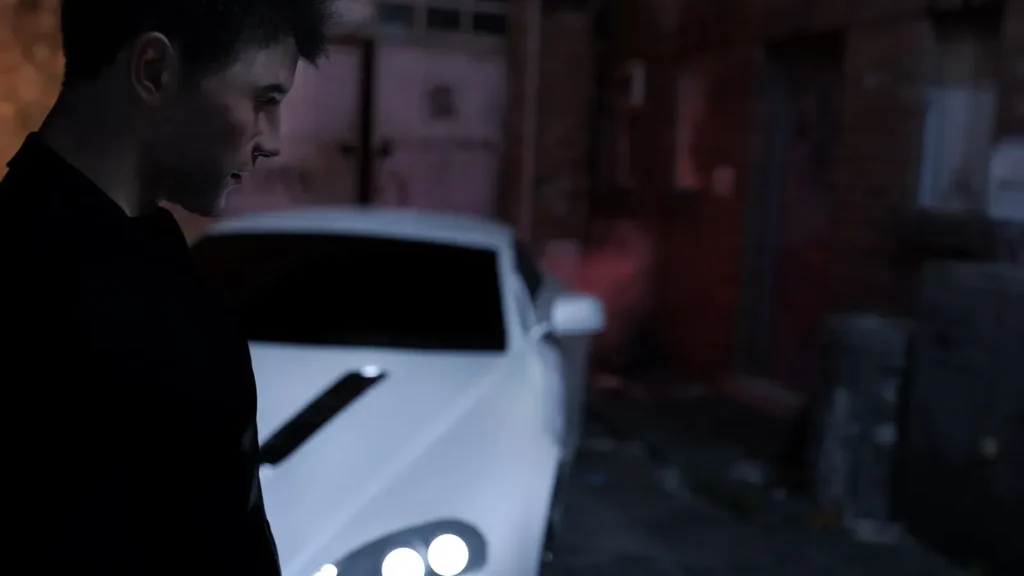

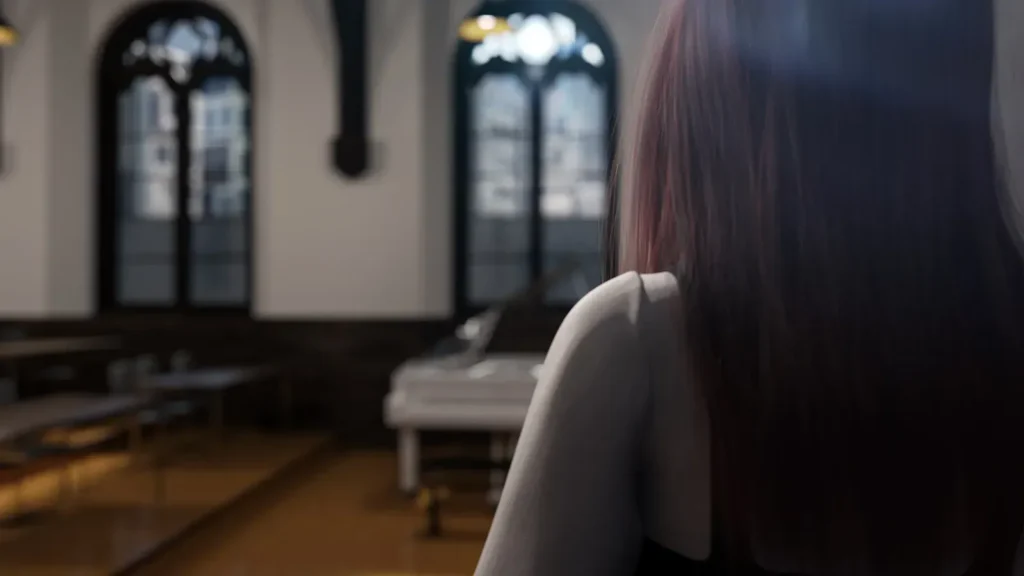
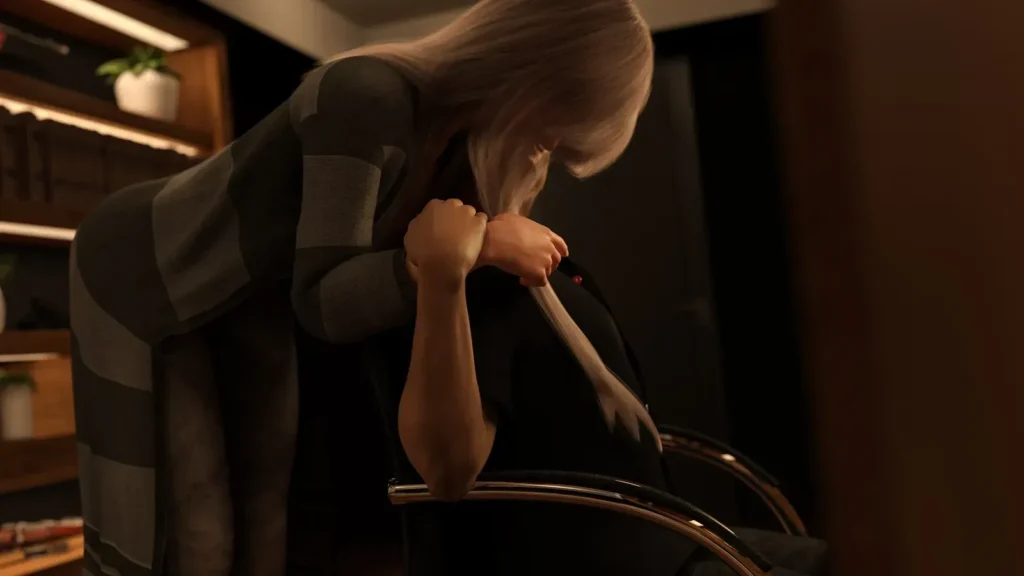

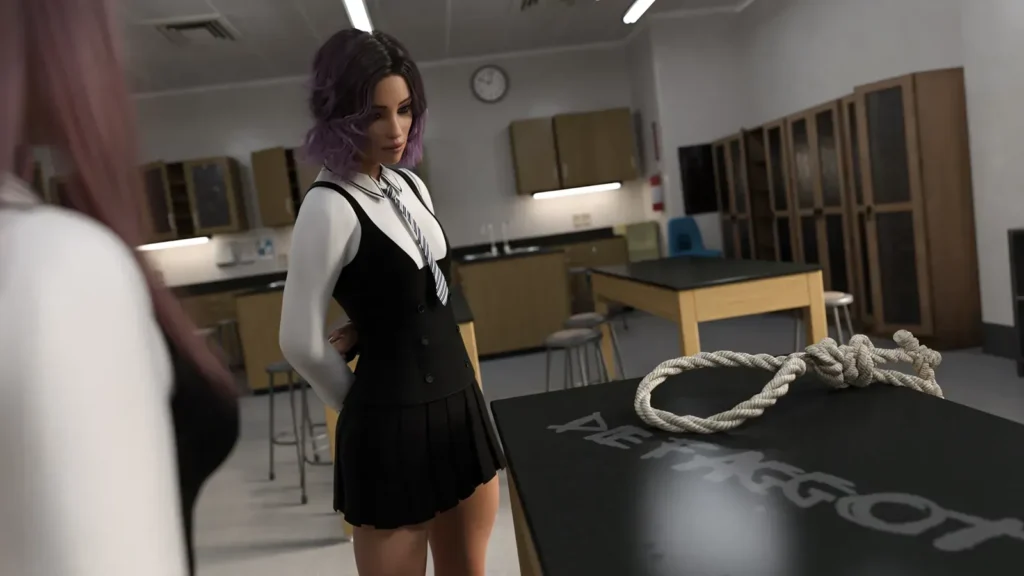
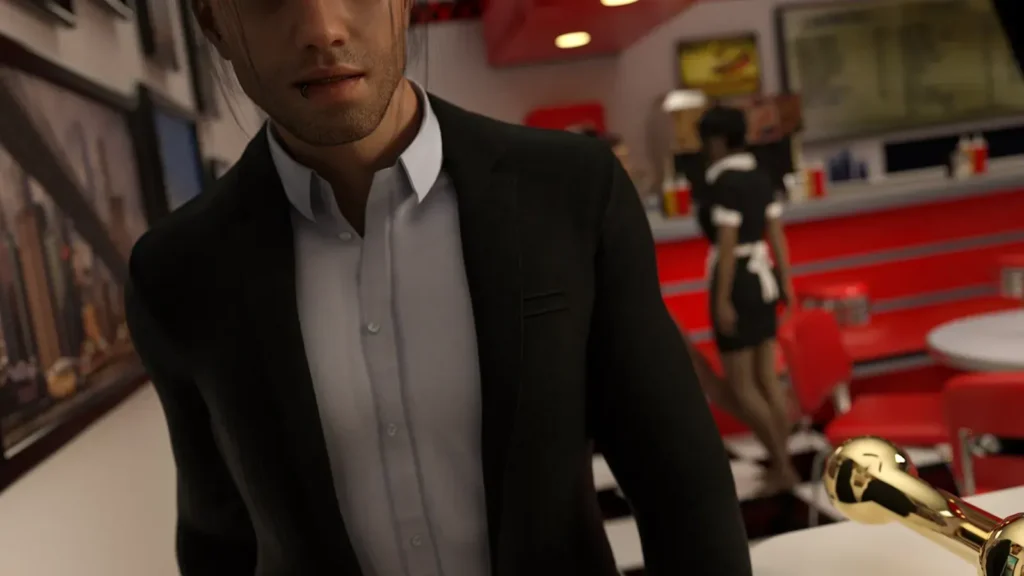
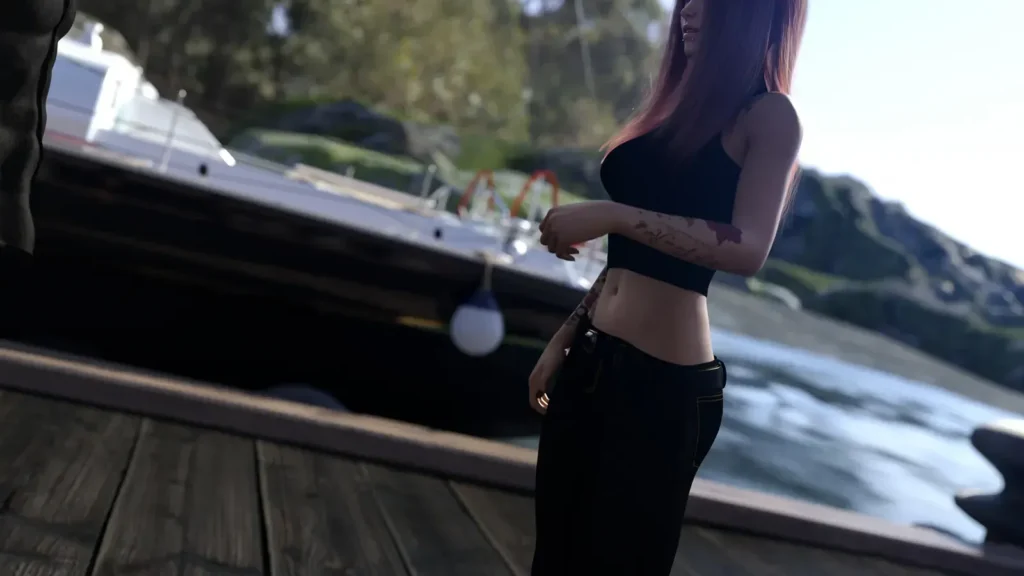
We Were Just Kids review
What is We Were Just Kids?
We Were Just Kids is an adult visual novel developed by MissFortune that plunges players into a deeply personal story of youthful desire, regret, and blurred boundaries. Currently available in version 0.3b, the game follows an unnamed protagonist as he revisits intense memories from his adolescence. The central question echoes throughout: was it simply too much, too soon, or merely the excuse he told himself to justify what happened?
The narrative examines how long-standing friendships and innocent bonds transform under the pressure of awakening sexuality. What begins as familiar comfort evolves into passionate, confused physical intimacy that leaves lasting emotional marks. Through suggestive scenes and reflective monologue, We Were Just Kids invites players to experience both the heat of stolen moments and the fragility that follows.
Story and Characters
The story of We Were Just Kids is built entirely around memory and reflection. The protagonist looks back on summers spent with a tight-knit group of friends whose relationships slowly shift from platonic to carnal. Each encounter is layered with the confusion of first times, the thrill of secrecy, and the heavy weight of guilt that arrives afterward.
Key characters include the protagonist’s childhood best friend, whose evolving dynamic forms the emotional core of the game, and a small supporting cast of peers whose own desires and vulnerabilities mirror the central tension. The writing focuses on internal conflict—lust versus remorse, curiosity versus shame—making the characters feel authentic rather than archetypal. Every intimate scene serves the story rather than existing in isolation, showing how bodies and emotions become tangled in ways that cannot be undone.
The Central Dilemma
Throughout version 0.3b, the protagonist repeatedly returns to the same haunting thought: were these experiences formative, or were they simply wrong? This recurring doubt gives the narrative its psychological depth and prevents the adult content from feeling gratuitous.
Gameplay and Mechanics
We Were Just Kids plays as a linear visual novel with limited branching. Player choices primarily affect dialogue tone, the intensity of certain memories, and the degree of emotional openness the protagonist allows himself. There are no complex stats or inventory systems; progression is driven by reading, occasional decisions, and the natural unfolding of the protagonist’s recollections.
The current build (0.3b) contains multiple suggestive scenes with varying levels of explicitness. Some paths emphasize tenderness while others lean into urgency and risk. A simple gallery unlock system lets players revisit completed scenes without replaying entire segments. The mechanics stay deliberately minimal so the focus remains on atmosphere, writing, and emotional impact rather than gameplay loops.
Visuals, Art Style, and Production
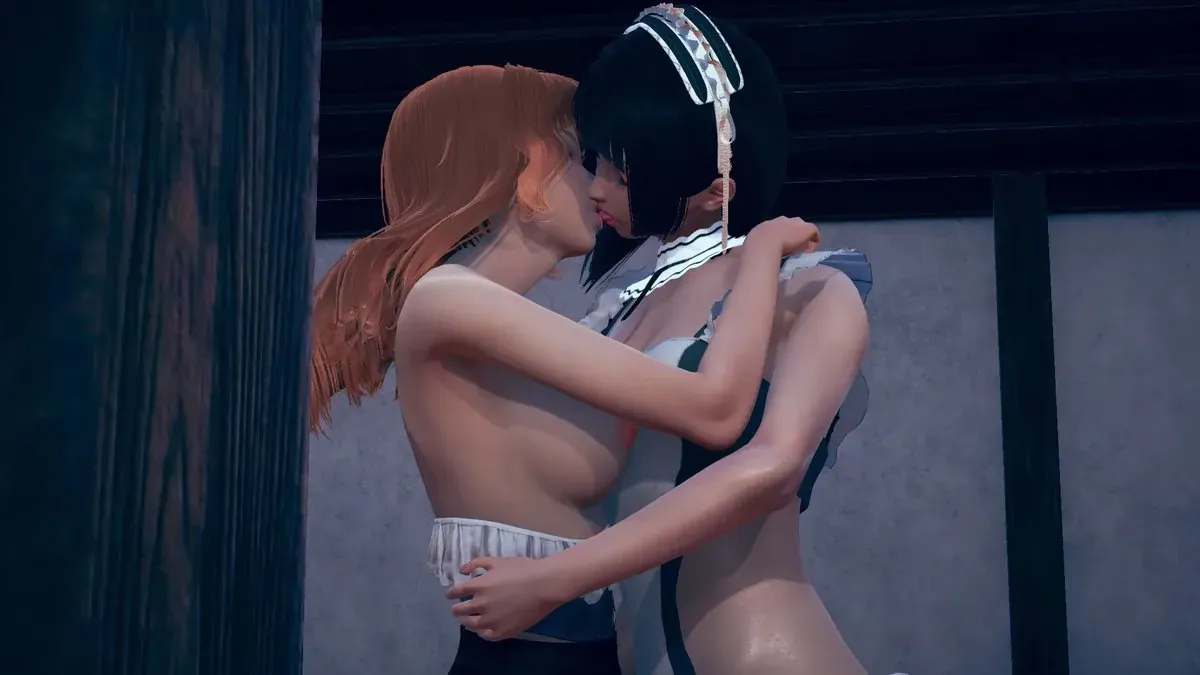
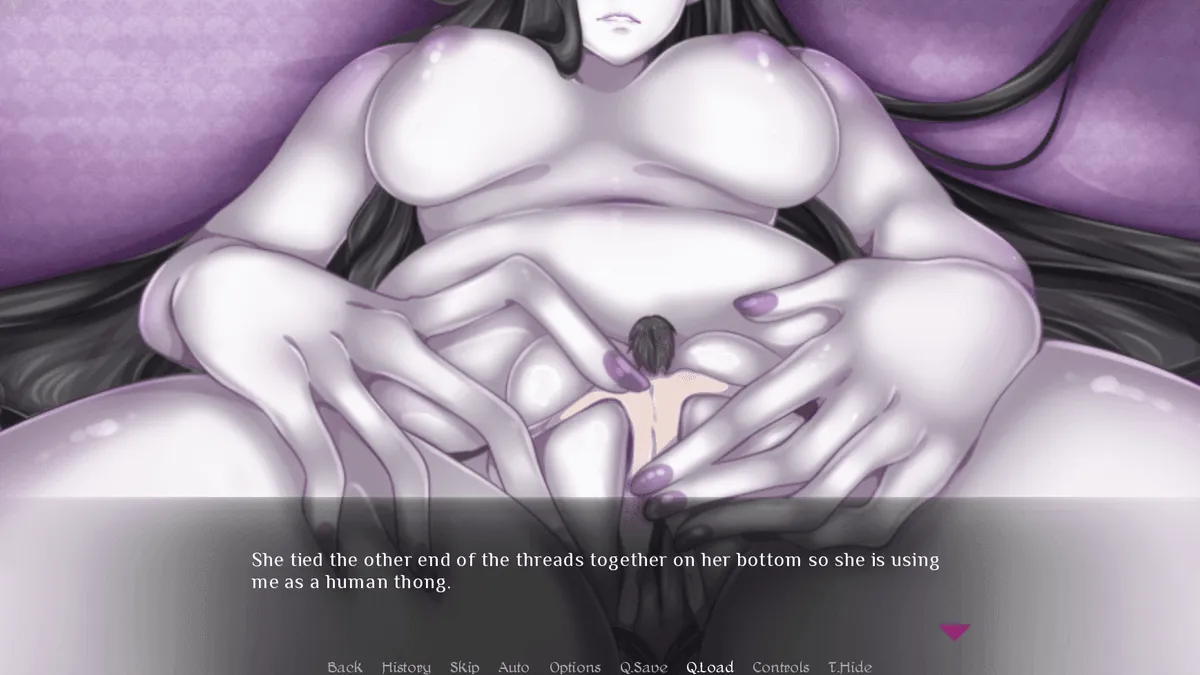
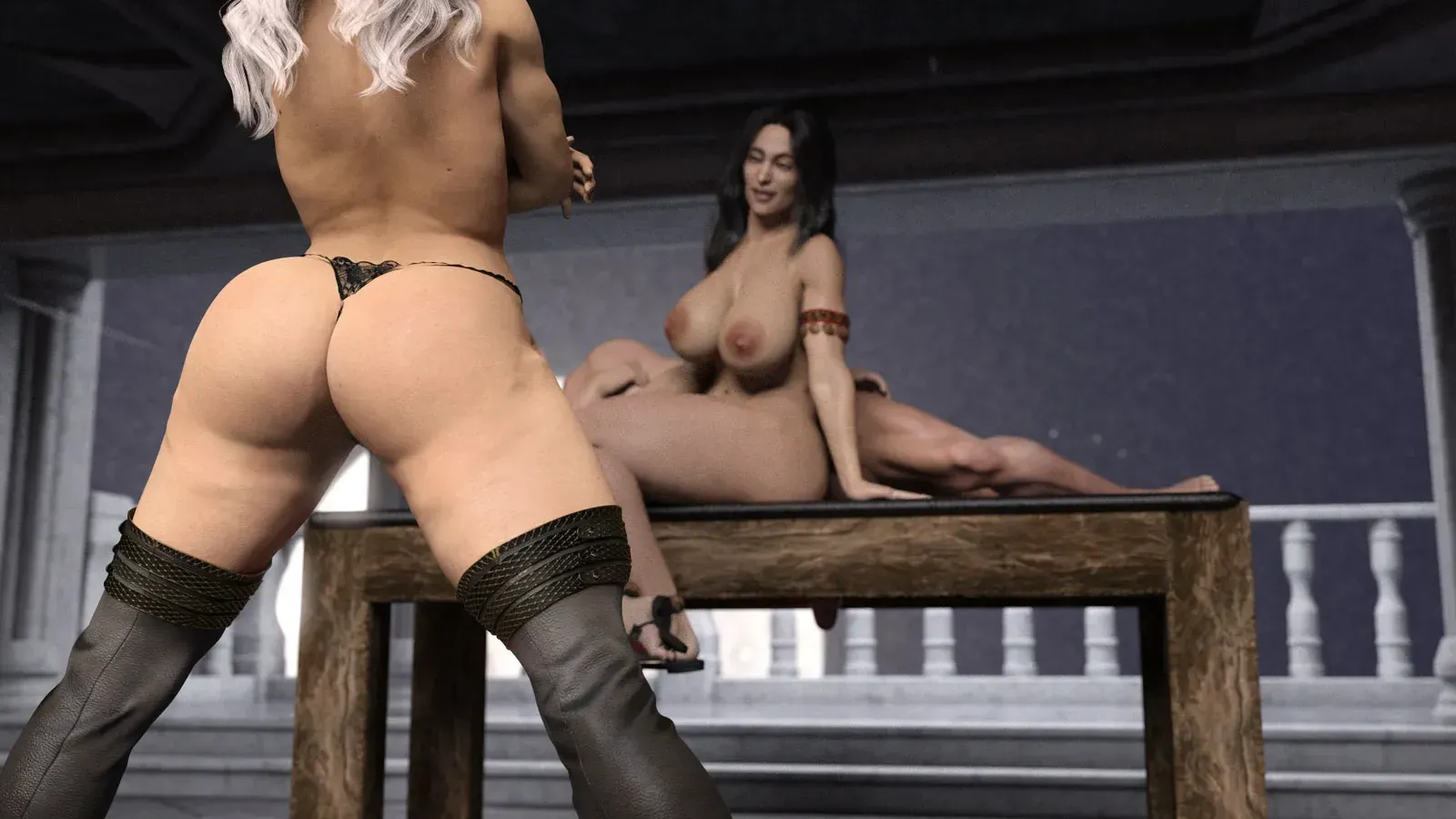
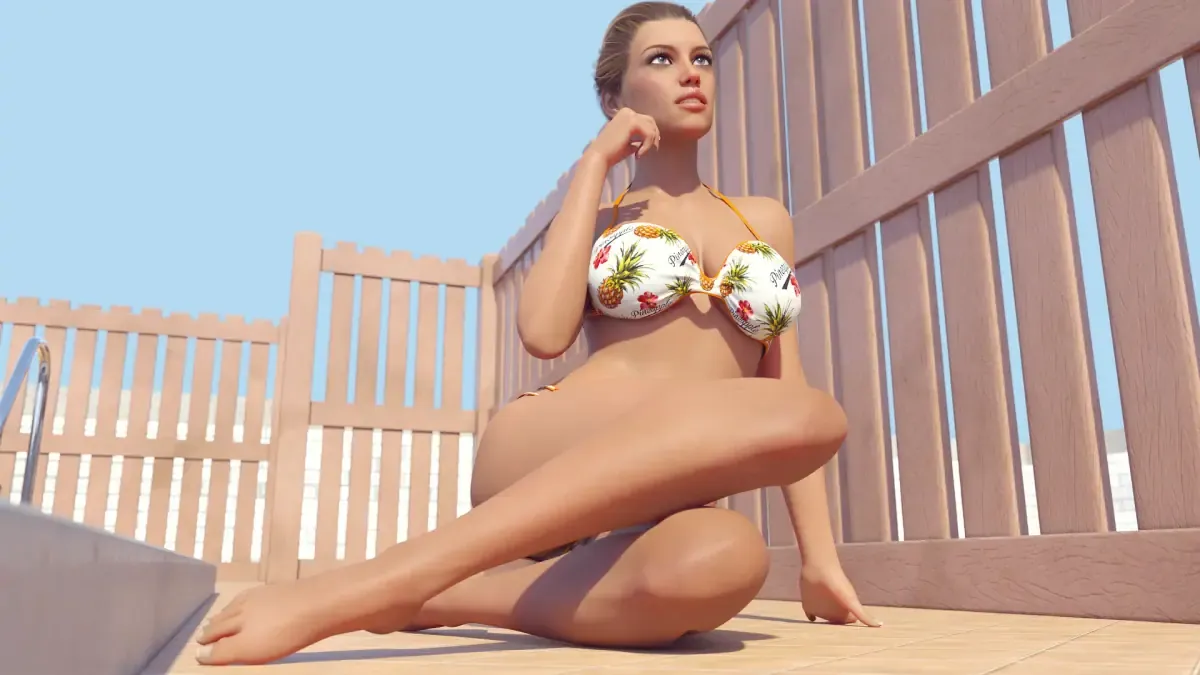
MissFortune employs a clean, semi-realistic anime style that captures both the softness of youth and the heat of intimate moments. Character sprites convey subtle emotional shifts through carefully drawn expressions and body language. Backgrounds mix nostalgic suburban settings—empty parks at dusk, dimly lit bedrooms, summer rooftops—with a warm color palette that heightens the sense of stolen time.
Scene transitions use gentle fade effects and occasional particle overlays to emphasize touch and proximity. The music, though understated, blends soft acoustic tracks with slower electronic beats that match the reflective tone. Sound design is restrained but effective: the rustle of clothing, quiet breathing, and rain against windows all reinforce the intimate atmosphere without becoming overpowering.
Production quality in version 0.3b shows clear dedication. Text is well-edited, pacing is deliberate, and the balance between narrative and adult content feels intentional rather than padded.
How to Play We Were Just Kids Online
Players searching for ways to experience the game can play We Were Just Kids directly in-browser on several adult game portals that host the latest 0.3b build. No download is required if you prefer instant access; simply load the page, allow the assets to cache, and the visual novel runs smoothly in most modern browsers.
For those who want the full offline experience, the downloadable version offers slightly faster loading and the ability to save progress locally. Browser play is especially convenient for quick sessions or when testing whether the tone and subject matter suit your preferences before committing to a download. Controls are mouse-only, with standard visual novel navigation: click to advance text, access the menu for saving and settings, and make choices when they appear.
Who Should Play We Were Just Kids
We Were Just Kids suits readers who enjoy emotionally layered adult visual novels over pure eroticism. The game’s focus on memory, consequence, and internal monologue will appeal to players looking for substance alongside explicit scenes. Its relatively short current length makes it ideal for those who want a complete-feeling experience in one or two sittings while still leaving room for future updates.
The game is not recommended for anyone seeking fast-paced action, heavy gameplay mechanics, or light-hearted harem stories. Instead, it rewards patience and a willingness to sit with complicated feelings about youth and desire. If you appreciate titles that treat intimacy as both physical and psychological, MissFortune’s work delivers a thoughtful and affecting experience.
| Aspect | We Were Just Kids 0.3b | Typical Short Erotic VN |
|---|---|---|
| Focus | Memory, regret, emotional consequence | Immediate gratification |
| Choices | Dialogue tone & scene intensity | Multiple unrelated routes |
| Art Style | Semi-realistic, warm tones | Highly stylized or generic |
| Length (current) | Focused single narrative arc | Often episodic or incomplete |
| Browser Play | Fully supported | Variable |
In the end, We Were Just Kids leaves players with the same question the protagonist cannot escape. Whether the experiences were too much, too soon, or exactly what they needed remains deliberately unresolved—an invitation to examine your own limits and desires long after the final scene fades.